
Last updated November 24, 2026
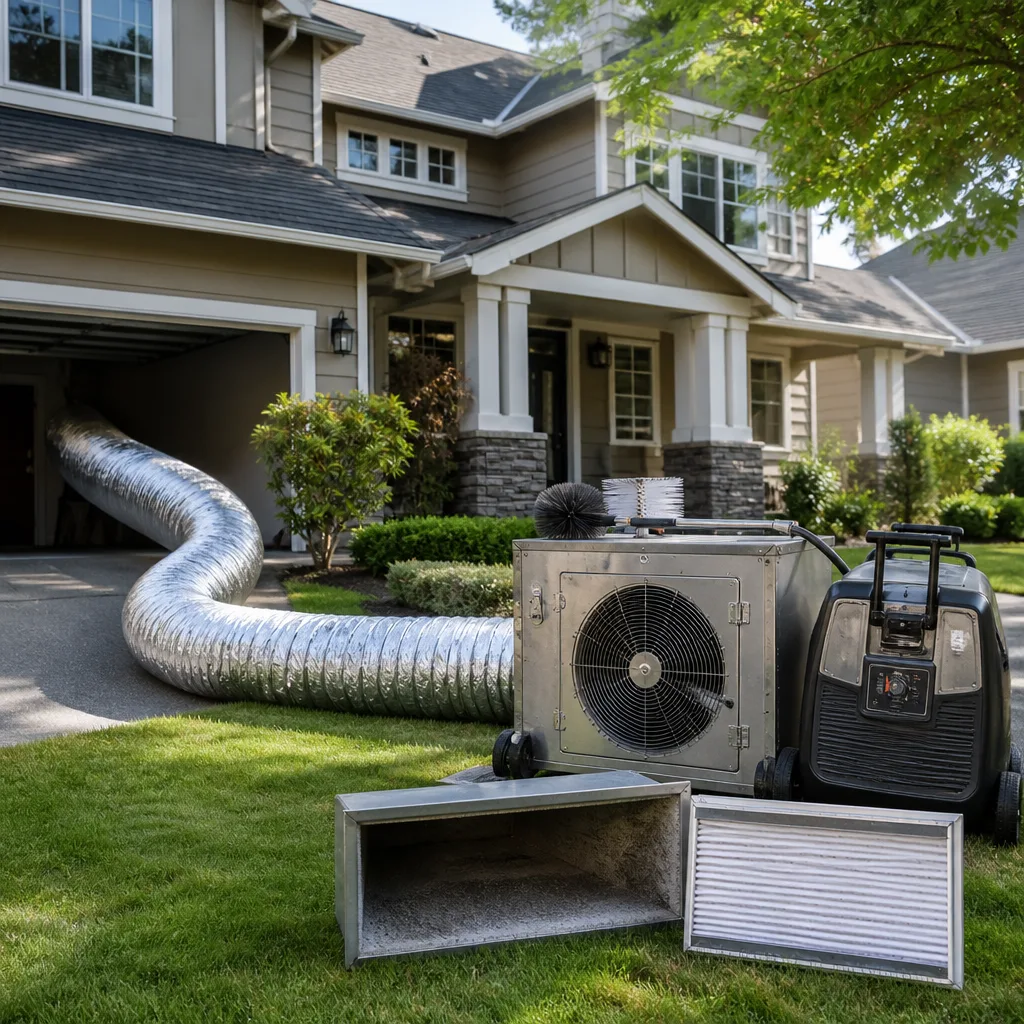 Whole-home duct cleaning
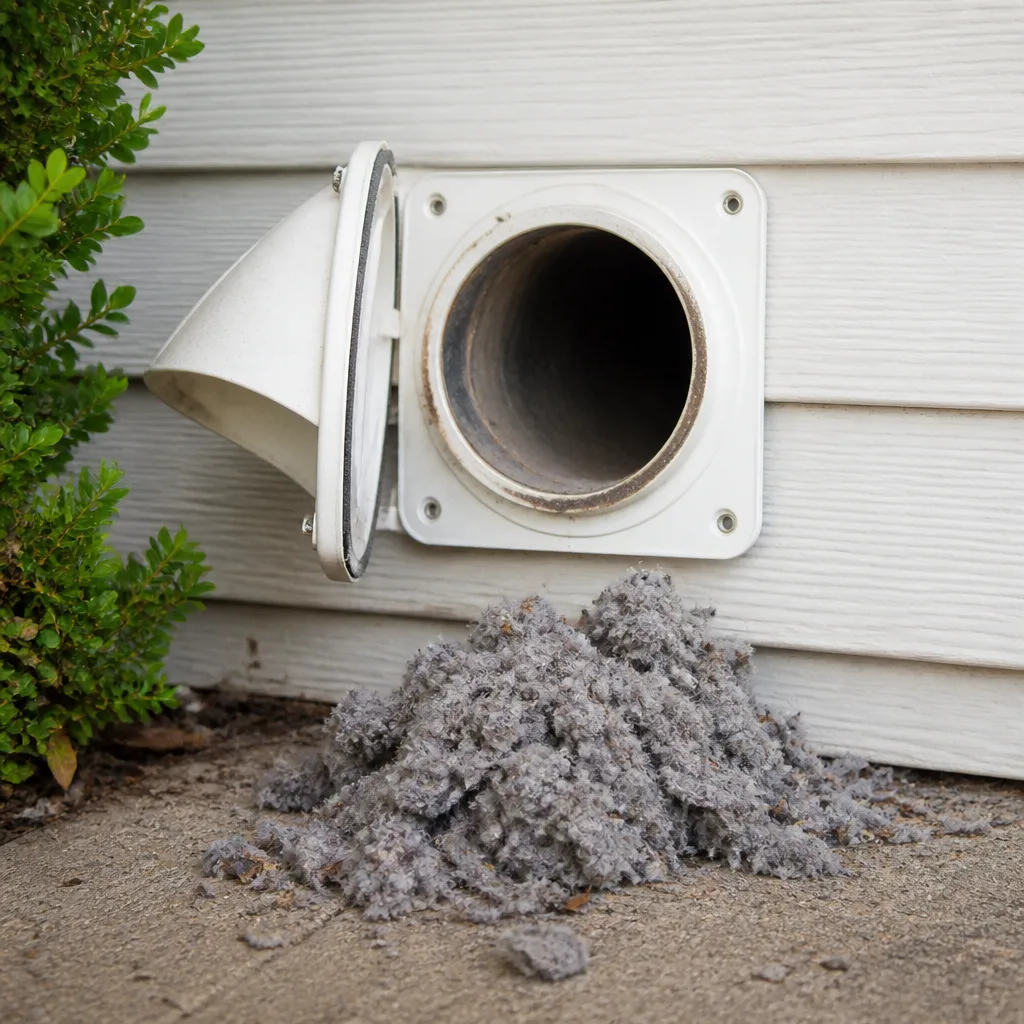 Dryer vent cleaning
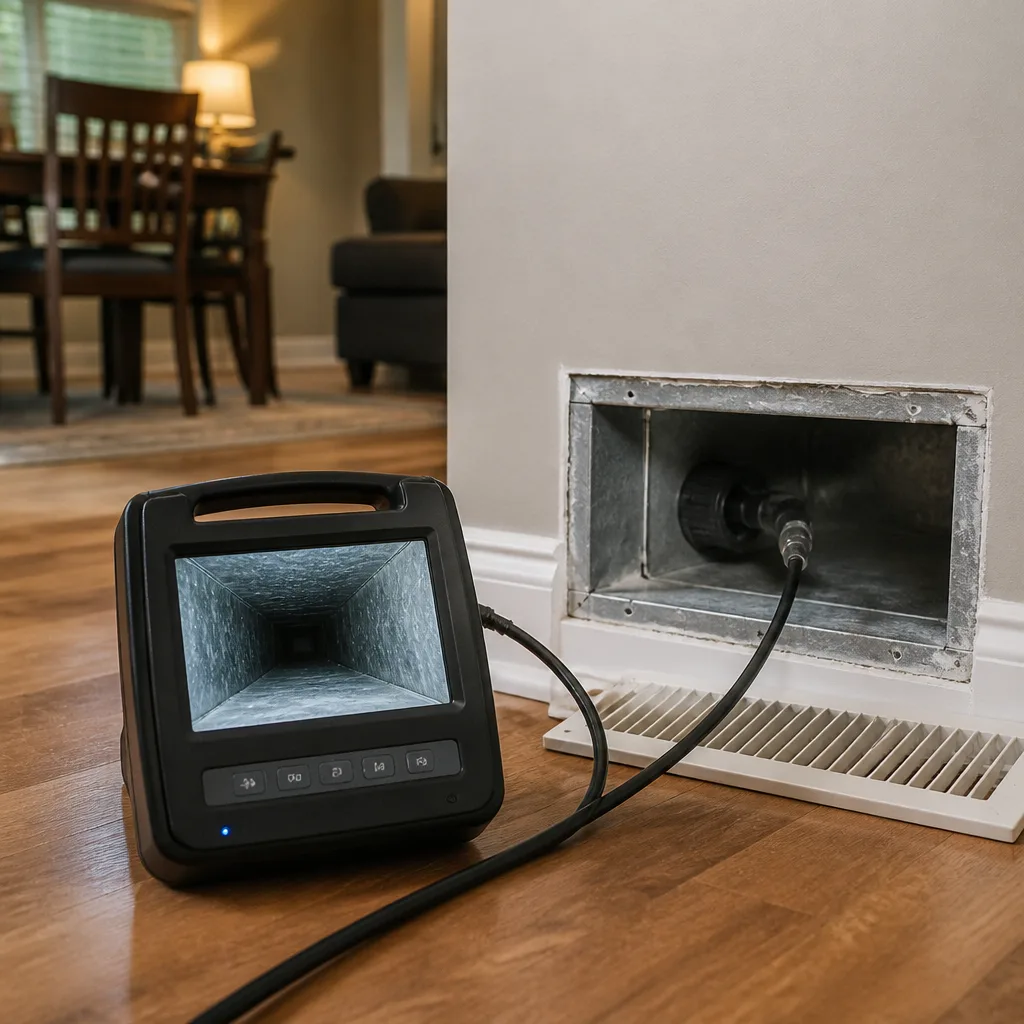 Camera inspection
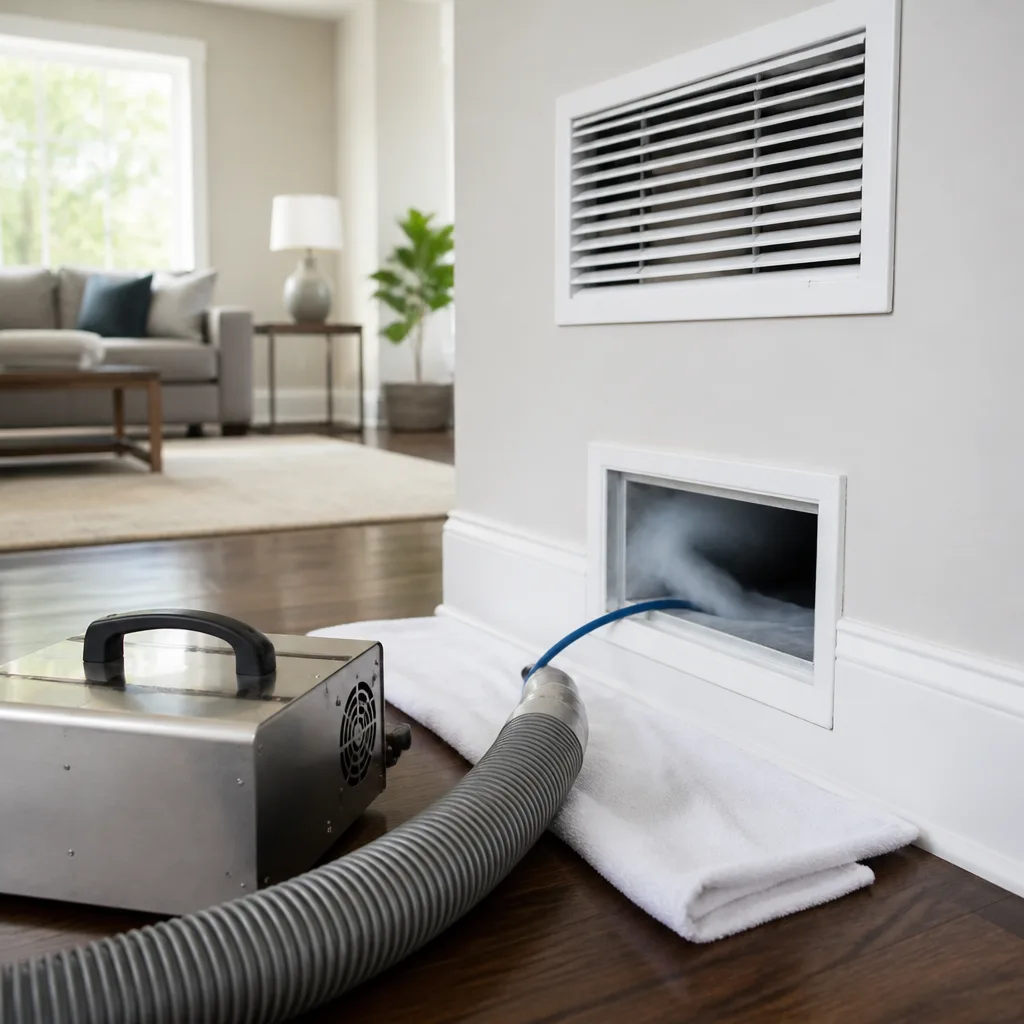 Sanitizing & deodorizing
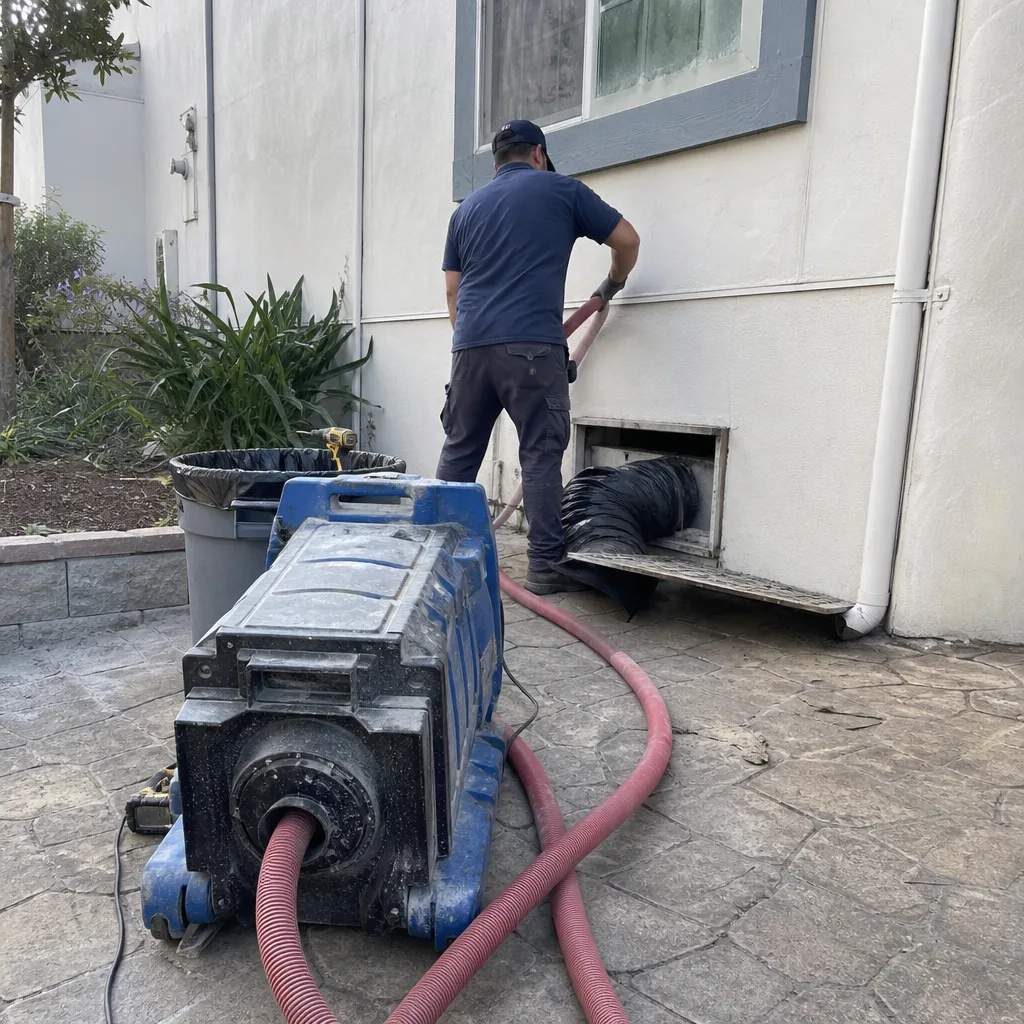
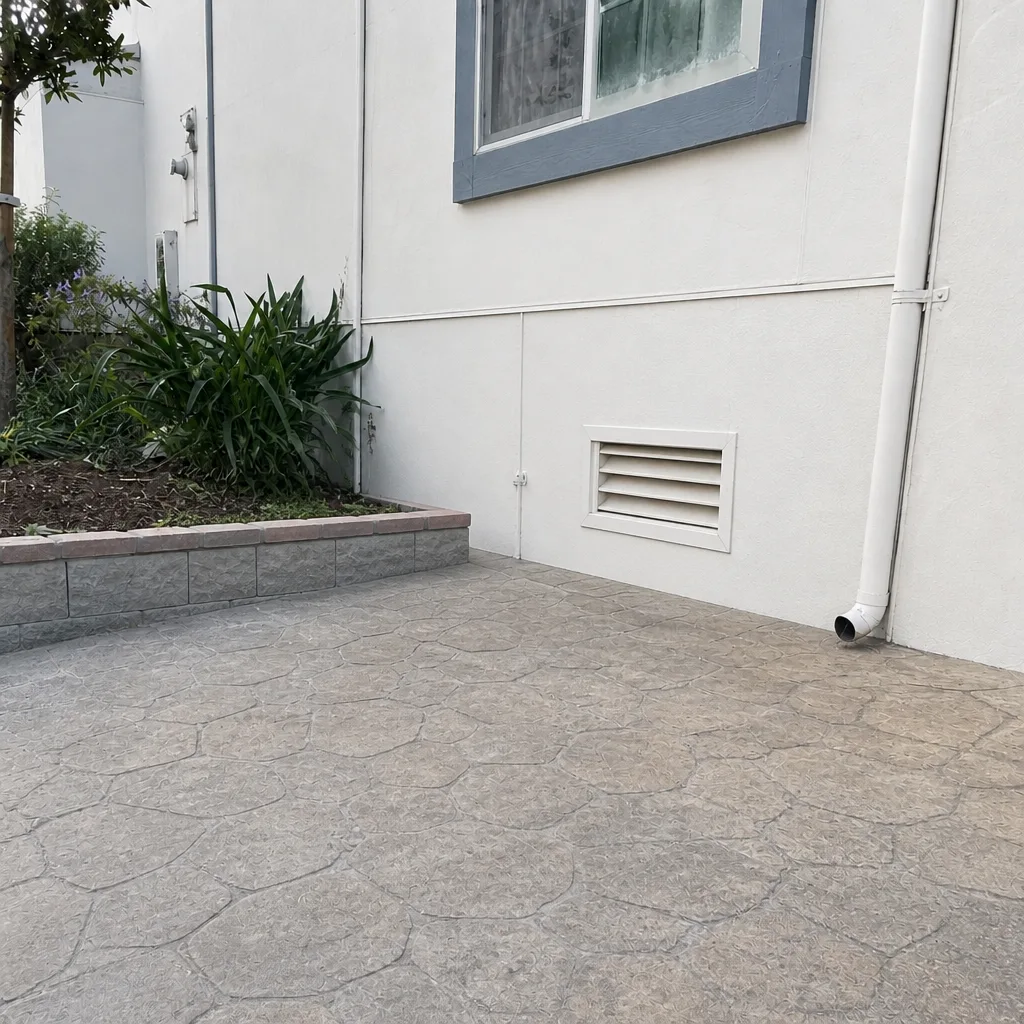
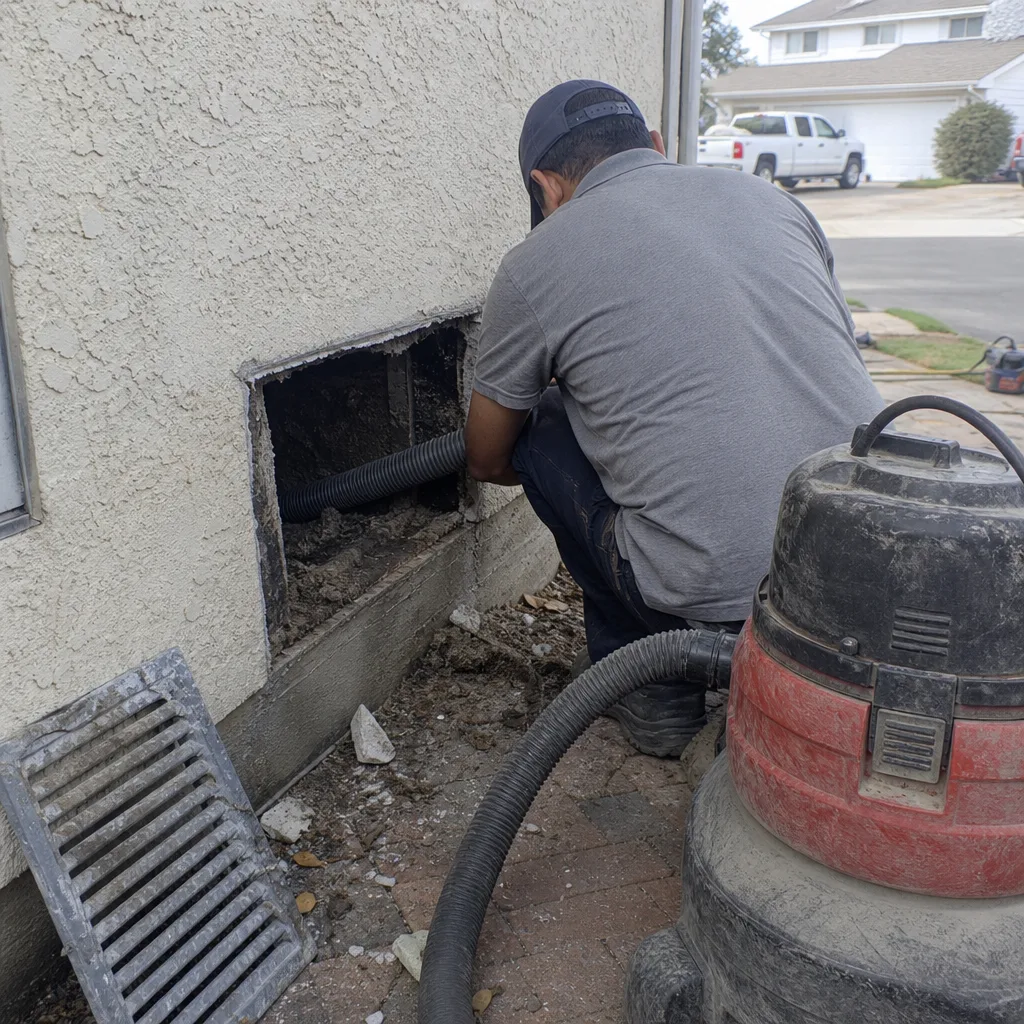
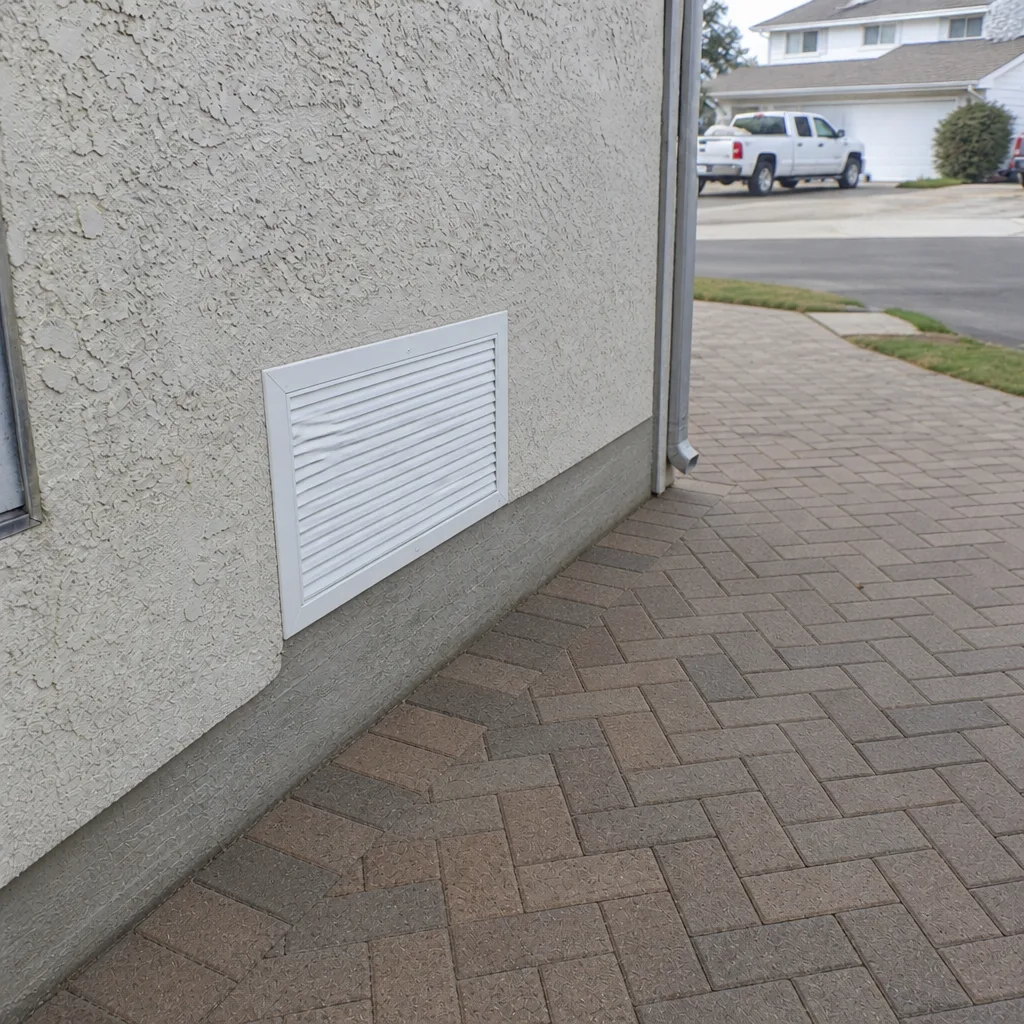
Whole-system duct and dryer vent check with before-and-after photos - you see exactly what came out of your vents
That "$99 whole-house special" is a bait ad - the real number appears once they are in your hallway, or the "clean" is a shop-vac at the register. We photograph the inside of your ducts before and after instead.
Air Duct Cleaning Emergency Preparedness Guide for Dana Point Homes
Most homeowners think about their duct system only when something already smells wrong. That’s backwards. During a wildfire smoke event, your HVAC system is the largest opening in your house, and what you do in the first half hour decides whether smoke stays on the outside or gets pulled into every room. A 30-second switch to recirculation mode, made before you leave the house or before you notice the sky turning brown, keeps most of that smoke out. This guide covers what to do before, during, and after an air quality event in Dana Point: how to protect the system, what to inspect once the smoke clears, how to document your ducts so an insurance claim doesn’t stall, and when a scheduled visit is genuinely enough versus when you need eyes on the system today.
Quick Answer
Protecting your duct system during a smoke or storm event in Dana Point comes down to three moves: switch the thermostat to recirculation (or fan-only with the outdoor intake closed) before smoke arrives, install the highest MERV filter your system is rated for, and shut the system off entirely if the filter loads up or you smell smoke at the vents. After the event, inspect the filter, the return plenum, and the condensate line before you run the system normally again. If smoke odor persists at the registers after a filter change, the particulate has already loaded the ductwork and needs professional extraction.
Key Takeaways
- Recirculation mode is your first line of defense. It’s free and it takes seconds.
- A MERV filter upgrade helps only up to the rating your air handler can handle without starving airflow.
- Smoke odor at the vents after a filter swap means the ducts themselves are loaded.
- After heavy rain, check the condensate line and drain pan before assuming the system is fine.
- Document duct condition before fire season starts. Insurance claims move faster with a baseline.
- Water in the ductwork or persistent odor after professional cleaning means call today, not next week.
Styles & brands we work with
- Whole-home duct cleaning
- Dryer vent cleaning
- Camera inspection
- Sanitizing & deodorizing
Table of Contents
- Why Dana Point Homes Face a Specific Duct Emergency Risk
- What to Do the Moment a Smoke Event Starts
- Choosing the Right MERV Filter Without Starving Your System
- After the Smoke Clears: Inspection Sequence
- Post-Storm Protocol for Dana Point Homes
- Documenting Your Duct System Before Emergency Season
- When to Wait and When to Call Today
- Common Mistakes to Avoid
Why Dana Point Homes Face a Specific Duct Emergency Risk
Dana Point sits in a place where two very different kinds of weather events meet. The surrounding wildland interface means a single ignition can push smoke across the whole south county within hours. And the Pacific storm systems that roll through in winter can drop enough rain in a short window to test every seal, drain line, and exterior penetration on a house.
Either event can compromise a duct system suddenly. Smoke moves into a house through the return air path, since the return typically pulls from a central hallway or a wall grille that has no dedicated filtration beyond the standard 1-inch filter. A power outage during a storm takes the air handler offline, and the condensate that was draining properly a minute ago now sits in the pan. Water finds its way into duct insulation through failed seals at the plenum or at exterior wall penetrations.
What almost no homeowner has is a protocol. Most duct cleaning advice addresses routine maintenance: dirty vents, dust on the registers, maybe a musty smell in the hallway. That advice doesn’t help when you have twenty minutes to decide what to do before the smoke gets thick. Our technicians have up to 12 years of experience, and the calls we get after a smoke event almost always start with a version of the same sentence: “I didn’t know what to do first.”
Dana Point’s housing stock adds a layer to this. Many homes here were built with flexible duct runs in the attic and tight mechanical closets, which means the return path is short and the filter is often undersized for the square footage it’s serving. A short return path loads faster during a smoke event. The tight closet makes the filter easier to forget. Both are reasons to know your system’s layout before you need to act on it.
There’s also the fan setting question. Many thermostats default to “auto,” which means the blower only runs when the system is calling for heat or cooling. During a smoke event, if the system is in cooling mode and calling for cold air, the blower is running and pulling outdoor air through any open intake. Switching to recirculation or fan-only with the fresh air damper closed changes that equation entirely.
What to Do the Moment a Smoke Event Starts
When an air quality event begins, you have a sequence of moves and they need to happen in order. The first one takes less than a minute. The rest take a few minutes each.
- Close every window and exterior door. This sounds obvious, but during a fast-moving event in Dana Point, people open a window because the house feels stuffy, and that’s the exact moment the return air path starts pulling smoke in.
- Switch the thermostat to recirculation or fan-only, and close the fresh air intake. If your system has a fresh air damper, close it. If you’re not sure whether your system has one, this is the moment to find out – most mechanical closets have a labeled damper or a small motorized unit on the return.
- Turn the system off entirely if you can see or smell smoke at the registers. Running the blower with a loaded filter just pushes particulate deeper into the ducts. Off is safer than on in that scenario.
- Check the filter and note its condition. A filter that’s already gray is going to load much faster. If you have a spare, swap it now, not after.
- Seal the gaps you can reach. Weatherstripping around exterior doors, a towel at the base of the door to the garage, and painter’s tape over obvious gaps at window frames all reduce the infiltration load.
The recirculation step is the one most people miss. During the Silverado Fire, smoke infiltrated homes across South Orange County through HVAC systems that were left in cooling mode, pulling outdoor air on every cycle. A 30-second switch to recirculation would have kept most of that smoke out. That’s not a scare tactic, it’s a mechanical fact about how a forced-air system draws air. Knowing that before the next event is the whole point of this section.
The second most-missed step is turning the system off. Homeowners often assume the system running is helping, because the blower is moving air and the filter is catching particulate. But a standard 1-inch filter catches a fraction of smoke-sized particles, and once it’s saturated, the blower pulls air through the gap around the filter frame. That air carries smoke directly into the ducts. Off is better than running with a saturated filter.
Choosing the Right MERV Filter Without Starving Your System
Upgrading to a higher MERV filter during a smoke event helps, but only up to the rating your blower can handle. Push too high and the system loses airflow, the coil ices, and you’ve traded a smoke problem for a cooling problem. The right answer is a filter rated for your air handler, not the highest number on the shelf.
- Know your system’s maximum MERV rating. The manufacturer’s spec sheet or the documentation inside the air handler cabinet will state it. If you can’t find it, a licensed technician can identify it from the model number.
- MERV 8 to MERV 11 is a workable upgrade for most residential systems and captures a meaningful share of smoke-sized particles without choking the blower.
- MERV 13 and higher catches more, but only runs correctly on systems designed for that pressure drop. Some newer air handlers handle it. Many older ones don’t.
- Change frequency during a smoke event is much higher than normal. A filter that would go three months in normal service may need replacing in two weeks if the outdoor air is thick.
- Filter frame gaps matter as much as filter rating. A high-MERV filter sitting in a frame with an eighth-inch gap around it is doing less than a lower-rated filter that fits snugly.
If your system is running a 1-inch filter in a standard return grille, you’re already at a disadvantage during a smoke event because the surface area is small and the loading happens fast. Some Dana Point homeowners have a media cabinet that takes a 4-inch or 5-inch filter, which loads more slowly and catches more in the same footprint. If you’re not sure what you have, the filter slot tells you: pull the filter, measure the thickness, and look at the frame size stamped on it.
For a whole-home air quality upgrade, we work with Honeywell and Aprilaire filtration products, which are designed to sit inside the return duct or as a bypass unit and take a higher-MERV media filter without starving the blower. Those installations are a scheduled job, not an emergency fix, but they’re the right long-term answer if smoke events in Dana Point are an annual concern.
After the Smoke Clears: Inspection Sequence
Once the air quality outside improves, the system needs a sequential check before you go back to normal operation. Skipping a step means you restart the system with a problem you haven’t found yet.
- Inspect the filter first. Pull it out and hold it up to a light. If it’s dark gray or brown, it’s done. Replace before restarting.
- Inspect the return plenum for visible deposits. With the filter out, use a flashlight and look into the return duct. A light dusting is normal. A visible grey or black film on the duct walls means particulate has entered the system.
- Smell the plenum and the supply registers. Smoke odor that persists after the filter is changed usually means particulate has loaded the duct insulation or the coil. A faint smell that fades over hours is normal. A smell that sticks for days is a cleaning call.
- Check the drain pan and condensate line. Smoke events don’t affect these directly, but if the power cycled during the event, water that would have drained may still be sitting in the pan. Look for standing water and check that the trap is clear.
- Run the system on fan-only for ten minutes and re-check the registers. If the odor at the registers gets stronger, particulate is being distributed by the blower. That’s a sign the ducts need professional extraction, not a second filter change.
The distinction between “filter change” and “professional extraction” is the important one. Smoke particulate in the 0.4 to 2.5 micron range passes through a standard filter, clings to duct insulation, and cycles back into the living space on every runtime. A filter change doesn’t remove what’s already in the duct. Professional extraction with a rotary brush and negative-pressure vacuum does. That’s what air duct cleaning is designed to handle, and the before-and-after photos we take show you exactly what came out of your system, so you’re not taking anyone’s word for it.
If the smoke event was short, the filter caught most of it, and the odor has faded by the next morning, you’ve likely escaped a cleaning. If the odor is persistent, the ducts are loaded. There’s no middle ground worth gambling on with your heating and cooling system.
Post-Storm Protocol for Dana Point Homes
Winter storms in Dana Point interrupt HVAC operation in a specific way. Power cycles off, the air handler stops, and when power returns the system may restart without the condensate having drained properly during the outage. A short interruption is usually harmless. A longer one, or a power cycle that happens while the system is mid-cycle, can leave standing water in the pan and water migration into duct insulation.
After a heavy rain period, run through this sequence:
- Check the drain pan under the air handler. Look for standing water or a water line on the pan wall. Both mean the condensate didn’t drain during the outage.
- Check the condensate trap and line. If the trap is dry or the line is kinked or blocked, water backs up.
- Look for water staining at the base of the air handler and on the plenum insulation. Dark staining on the insulation jacket means water has been in contact with it.
- Smell the return and supply at the registers. A musty odor after a power interruption is the first sign that water got somewhere it shouldn’t be.
- Check exterior wall penetrations for gaps. A failed seal at a duct penetration on an exterior wall lets wind-driven rain find its way into the duct insulation.
Water in duct insulation doesn’t dry on its own. It stays wet, and that’s where microbial growth starts. If you smell musty air at the registers after a storm, that’s the sign to call for inspection. Guardsman sanitizing treatments are part of our service menu for exactly this situation: a commercial-grade antimicrobial application to duct surfaces after cleaning, applied when the system has been cleaned and verified dry. That’s not a fix for active water intrusion; it’s a post-cleaning step that brings a commercial standard to residential work.
Storm damage in Dana Point also commonly shows up at the roof and attic level. Loose ducts, disconnected flex runs, or a shifted plenum can open up after wind loading on the roof, and that shows up as a heating or cooling system that suddenly runs longer or struggles to hold setpoint. A duct system that was fine before the storm and isn’t fine after is a repair-and-seal job, which is where our HVAC cleaning and duct sealing work overlap.
Documenting Your Duct System Before Emergency Season
The single most useful thing you can do before an emergency is to have a record of your duct system’s condition. Insurance claims for smoke or water damage move faster when you can show what the system looked like before the event. Without a baseline, you’re arguing from memory.
What a useful baseline includes:
- Photos of every accessible register before any event. Open the register face, take one photo looking into the boot, and one straight on.
- A photo of the filter slot and the filter itself. Note the filter’s MERV rating and size. This matters because an insurance adjuster will want to know what your filtration was before and after.
- A photo of the return plenum opening with the filter removed. This is the shot that shows whether the interior surfaces were clean before a smoke event.
- A photo of the air handler cabinet, including the model number label. That label tells a technician the system’s maximum MERV rating without disassembly.
- A dated, written note of anything you’ve already noticed. A musty smell in one room, a return that always feels weak, a register that hums. All of this helps either an insurance claim or a service call.
If your system has never been documented, we recommend a professional inspection before fire season starts. That gives you a real baseline: manufacturer-spec filter rating, condition of the return path, condition of the coil, and before photos taken with professional equipment. If that inspection also turns up a failing seal or disconnected duct, you’ve found it in the mild season rather than the middle of a smoke event.
If you’ve already had a professional cleaning, the before-and-after photos your provider took are your baseline. Save them somewhere you can get to from a phone. That’s the file you’ll want if an insurance adjuster asks what the duct interior looked like six months before a smoke event.
When to Wait and When to Call Today
Not every smoke or storm event requires a same-day call. The distinction comes down to a few specific indicators, and they’re worth memorizing before you need them.
Wait for a scheduled visit if:
- The odor at the registers faded within 24 hours of the event and has stayed gone.
- The filter loaded visibly but the return plenum looked normal when inspected with a flashlight.
- The system is running normally after a filter change and there’s no musty or smoky smell.
- The event was brief and the system was off for most of it.
Call for same-day inspection if:
- Smoke odor is strong at the registers and hasn’t faded after a filter change.
- You can see visible soot or particulate on the duct walls when you look into the return plenum.
- There’s standing water in the drain pan, water staining on the plenum insulation, or a musty smell after a storm.
- The system short-cycles, trips the breaker, or runs noticeably longer than it did before the event.
- Anyone in the home has worsening respiratory symptoms that correlate with running the system.
The key indicator is odor persistence after a filter change. It takes ten minutes to change a filter and confirm. If the smell comes back within an hour of restarting the system, the ducts are holding particulate, and no filter downstream of the plenum is going to fix that. That’s the point where extraction with a negative-pressure vacuum and rotary brush is the right call. Call (855) 629-3179 to book an inspection. We answer 24/7. Fast dispatch from 7am to 7pm, Sunday through Friday.
Common Mistakes to Avoid
- Running the system in cooling mode during a smoke event. Cooling mode pulls outdoor air through any open intake on every cycle. Switching to recirculation is the fix, and it takes seconds.
- Skipping the fresh air intake check. Many Dana Point homes have a fresh air damper on the return that most homeowners have never touched. If you don’t know where yours is, find out before the next event.
- Buying the highest-MERV filter without checking the system’s rating. A MERV 13 filter in a system rated for MERV 8 starves the blower, ices the coil, and turns a smoke problem into a repair.
- Assuming a filter change is enough when the smell stays. If the odor at the registers persists after a clean filter, the particulate is already in the duct. A second filter change won’t remove it.
- Ignoring the condensate line after a power outage. The most common post-storm duct problem in Dana Point isn’t water in the duct, it’s water in the pan because the trap didn’t drain during a power cycle.
- Skipping documentation before fire season. Without a baseline of what your ducts looked like before an event, an insurance claim becomes a memory contest you can’t win.
- Treating a duct-only cleaner as the full answer. Cleaning helps, but if the plenum seal is failing or a flexible run has disconnected, you’re cleaning a system that will recontaminate itself. Sealing and repair belong in the same conversation.
See the difference
 Before
 After
 Before
 After
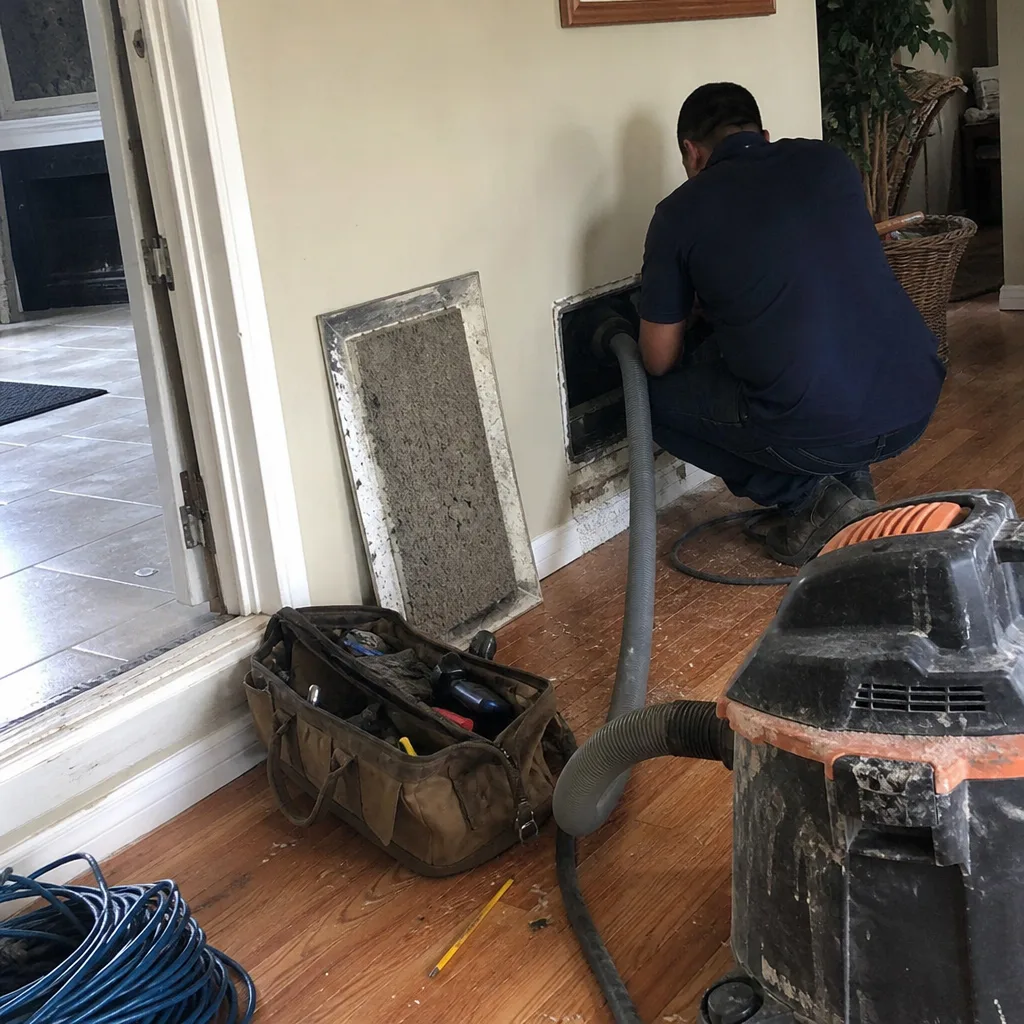 Before
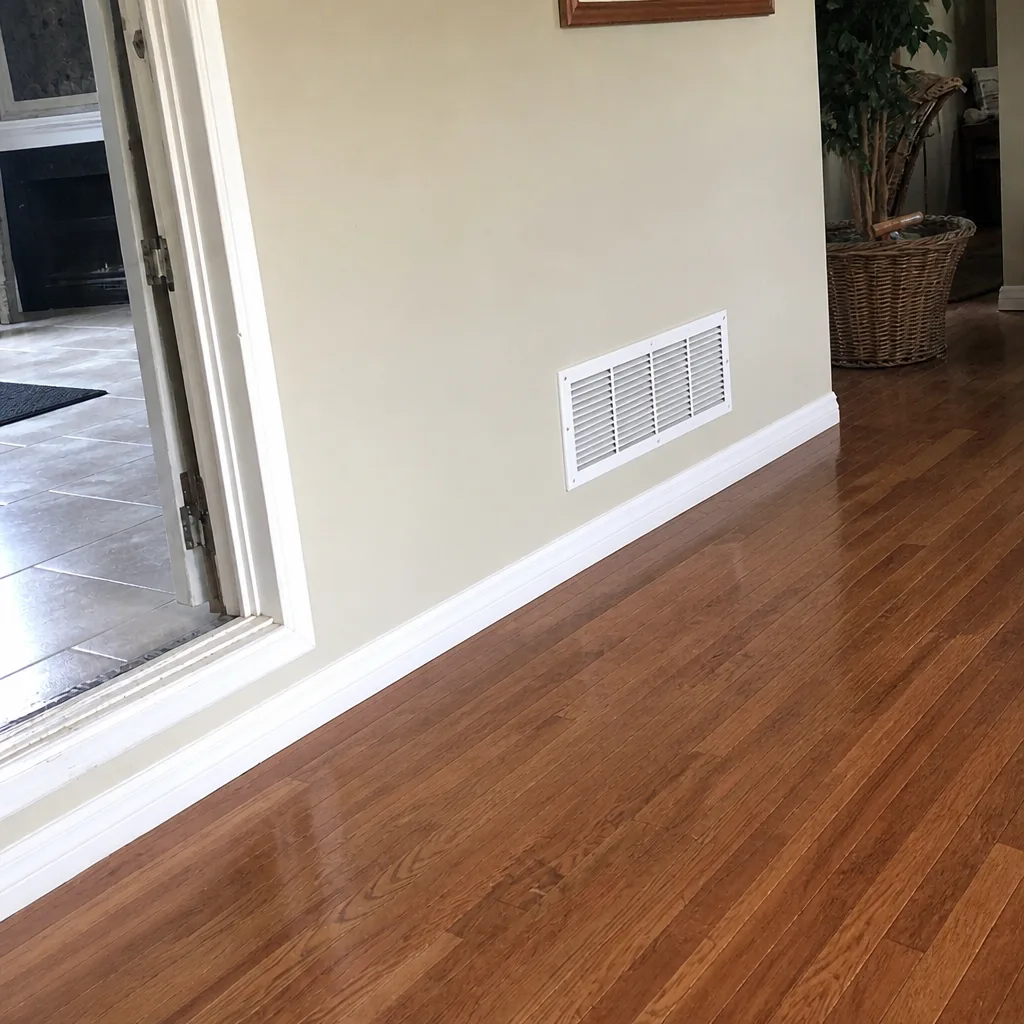 After
When to Call a Professional
Call when the odor at the registers persists after a filter change, when you can see particulate on the duct walls, when there’s water in the pan or staining on the plenum after a storm, or when the system is running noticeably longer than it did before an event. Those are the specific indicators that mean the problem has moved from the filter into the system.
For routine maintenance, a scheduled visit is enough. For a same-day inspection after a smoke or storm event, call and we’ll work you into the next available slot in Dana Point. Our technicians use Rotobrush and Nikro duct-cleaning systems, the same platforms commercial HVAC contractors rely on, so the extraction is verifiable rather than a shop-vac pass. Dana Point Air Duct Cleaning Pros offers free estimates in Dana Point – call (855) 629-3179. We answer 24/7. Fast dispatch from 7am to 7pm, Sunday through Friday.
Frequently Asked Questions
Turn it off if you smell or see smoke at the registers. Recirculation mode with the fresh air intake closed is the better option while the air outside is still bad, but if the filter is loaded or you can smell smoke indoors, running the blower pushes particulate deeper into the ducts. Off is safer than on with a saturated filter.
Change the filter and run the system on fan-only for ten minutes. If the smoke odor comes back at the registers within an hour, particulate has loaded the ductwork and professional extraction is the right next step. If the odor stays gone after the filter change, you’ve likely escaped a cleaning. Call (855) 629-3179 for a professional inspection if the odor persists.
Use the highest MERV rating your air handler is rated for, which is usually MERV 8 to MERV 11 for standard residential systems. Higher ratings capture more smoke-sized particles but can starve the blower on systems not designed for the pressure drop. Check the model label on your air handler or ask a technician to confirm the maximum.
Yes, through infiltration and through any open fresh air intake. A system that’s off still has gaps around window frames, exterior doors, and the return grille. Sealing those gaps and closing the fresh air damper matter even when the system isn’t running. The blower increases the load, but it isn’t the only way smoke gets in.
Check the drain pan under the air handler for standing water, the condensate trap and line for blockage, and the plenum insulation for staining. Smell the registers for mustiness. A power interruption can leave water in the pan that would normally have drained, and wet duct insulation doesn’t dry on its own. Call for inspection if you find water or a musty odor.
For most Dana Point homes, a professional cleaning every few years is enough, and the schedule moves up if you’ve had a smoke event, a water intrusion, or a renovation. A home near the wildland interface with annual smoke exposure may need it more often than a home that hasn’t had an event. The right interval comes from an inspection, not a fixed rule. Call (855) 629-3179 and we’ll walk you through what your system actually needs.
The Bottom Line
Duct system emergencies in Dana Point come from two directions: smoke pushed in from the wildland interface, and water left behind after a power cycle during a storm. Both are manageable if you know your system before the event starts. That means knowing where the fresh air damper is, what your filter’s MERV rating should be, and where the condensate line runs. It also means having a baseline of photos so an insurance claim doesn’t stall.
The recirculation switch, the filter upgrade, and the post-event inspection sequence are the three moves that make the biggest difference. If you’ve had an event and the odor at the registers hasn’t cleared after a filter change, the ducts are loaded and need professional extraction. See what’s inside your ducts – and what we do about it. Call (855) 629-3179 for a free estimate. We answer 24/7. Fast dispatch from 7am to 7pm, Sunday through Friday.
For more on how our dryer vent cleaning work fits into a broader safety and air quality plan, or to explore the full Dana Point Air Duct Cleaning Pros service menu, we’re glad to walk you through the options.
Written by the team at Dana Point Air Duct Cleaning Pros.