
Last updated November 24, 2026
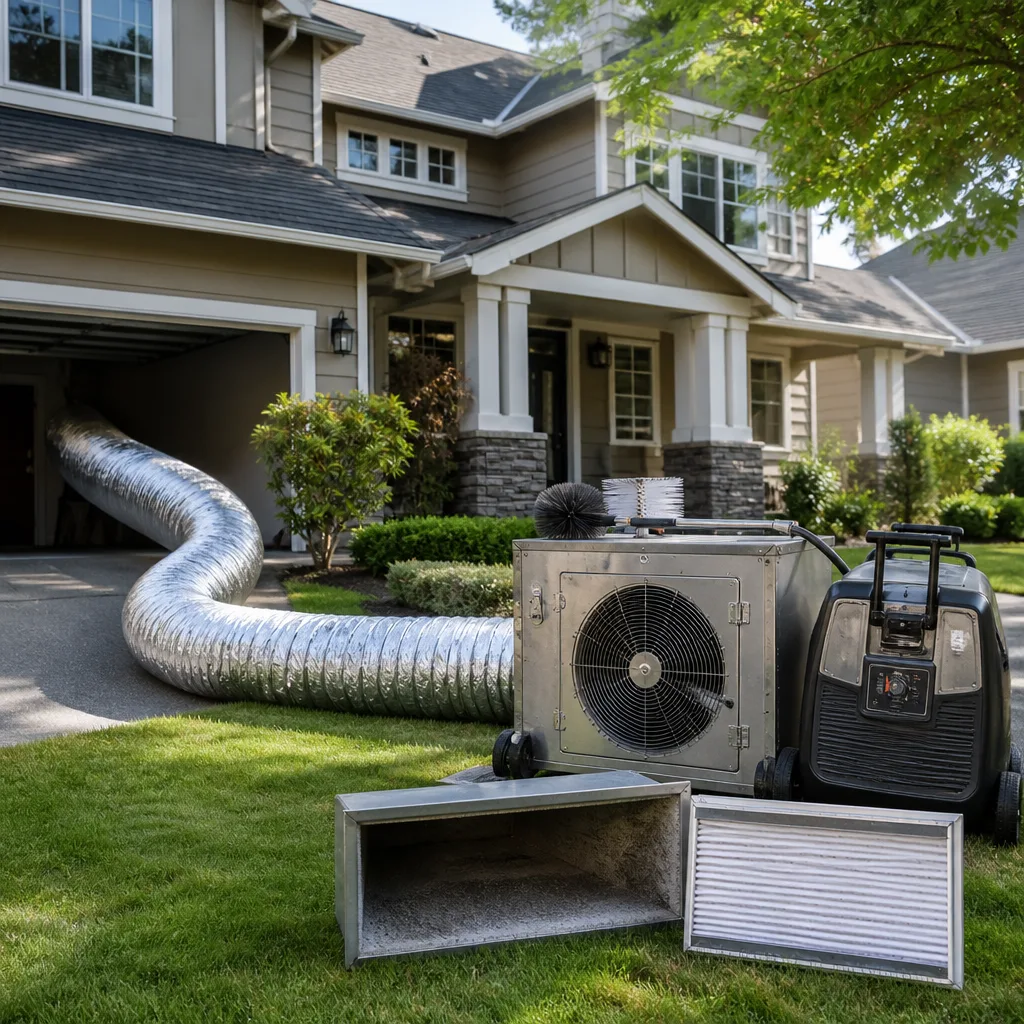 Whole-home duct cleaning
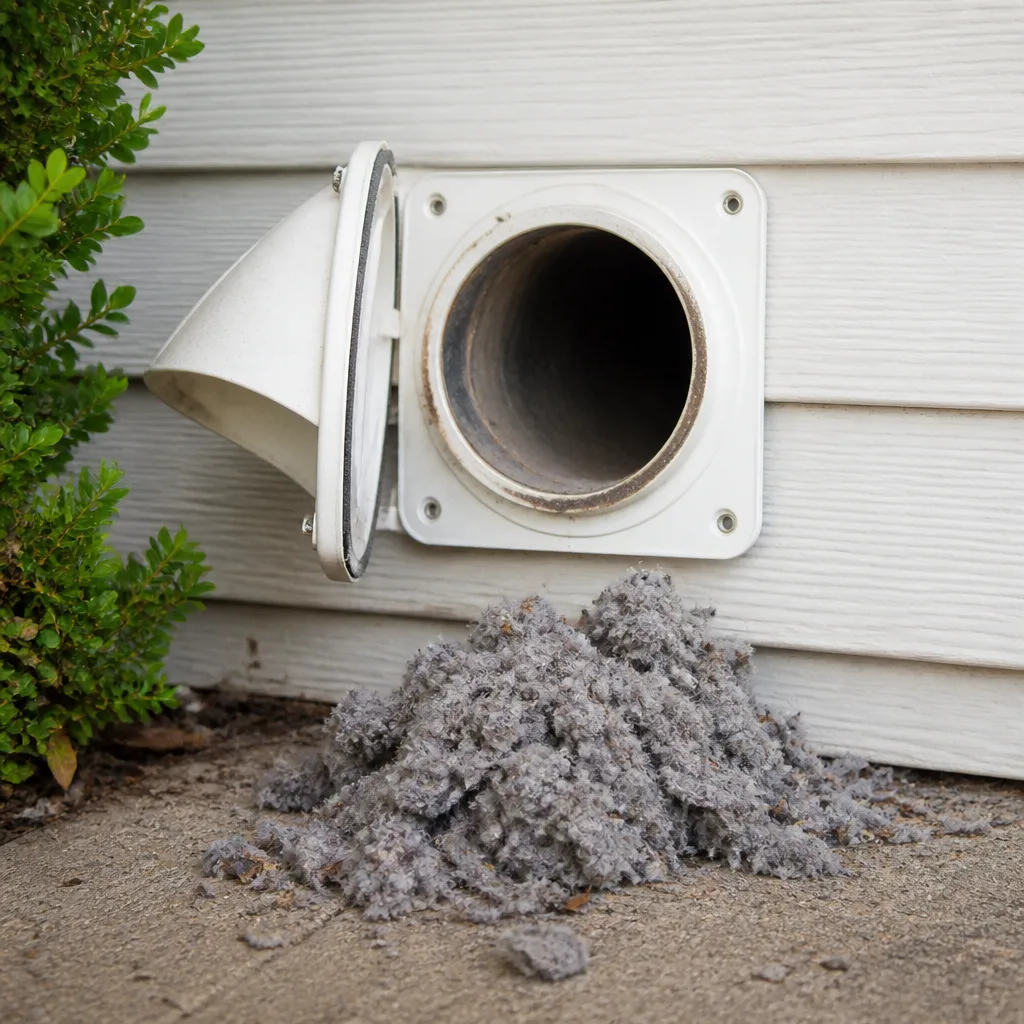 Dryer vent cleaning
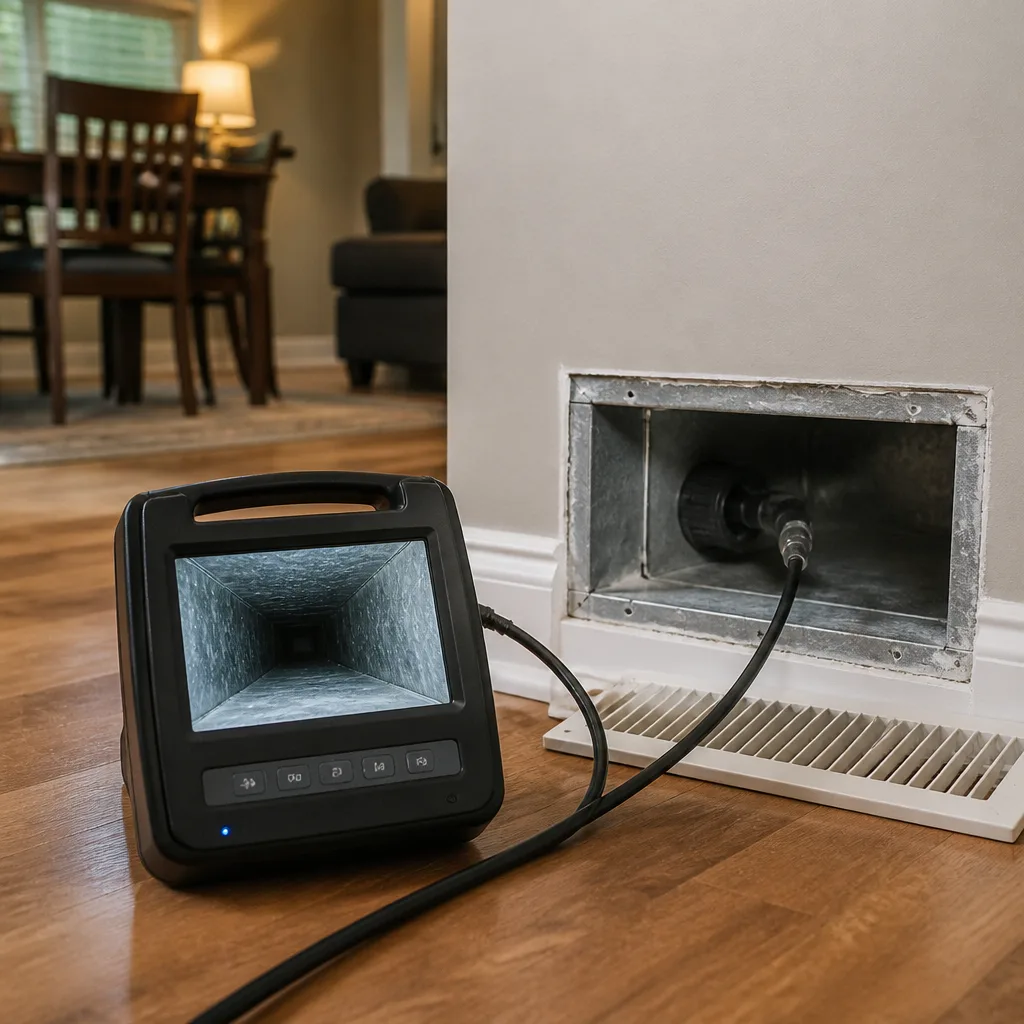 Camera inspection
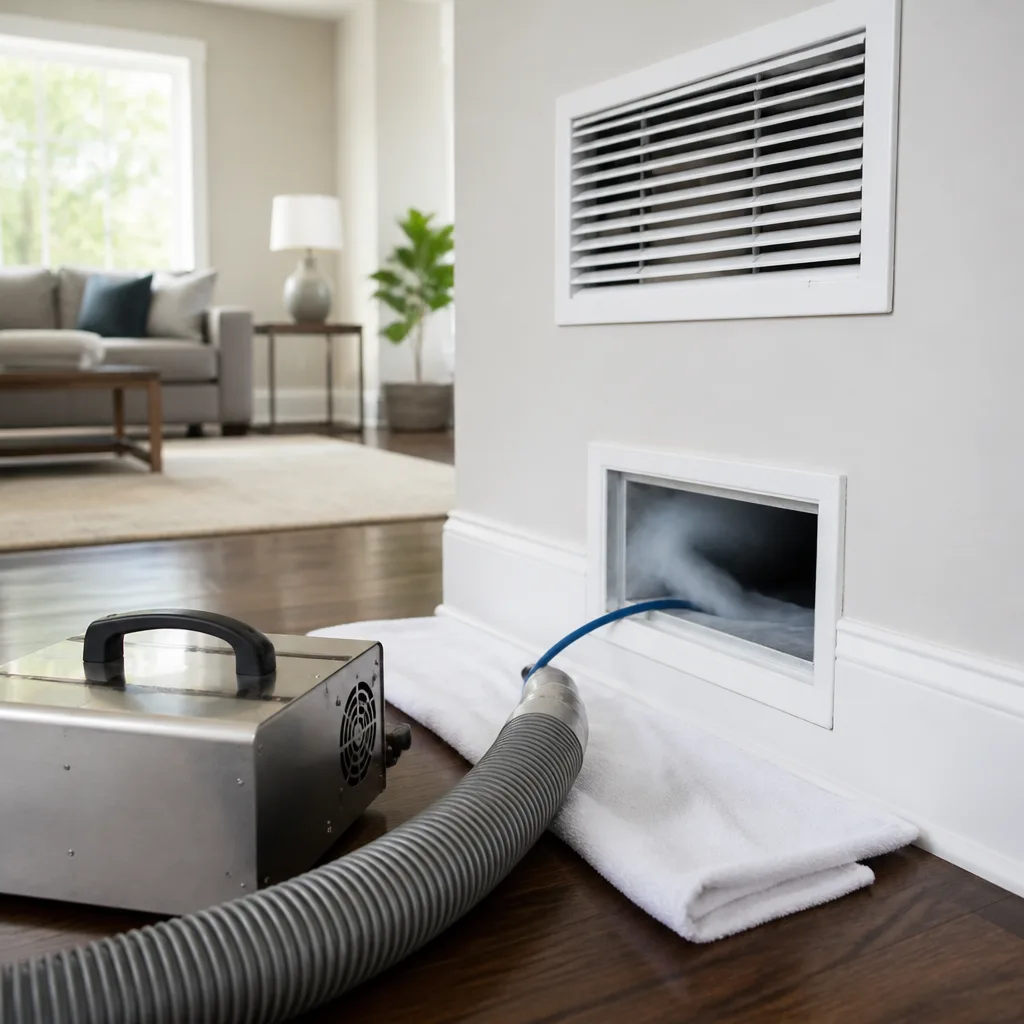 Sanitizing & deodorizing
Whole-system duct and dryer vent check with before-and-after photos - you see exactly what came out of your vents
That "$99 whole-house special" is a bait ad - the real number appears once they are in your hallway, or the "clean" is a shop-vac at the register. We photograph the inside of your ducts before and after instead.
Air Duct Cleaning Permits, Codes & Inspections in Dana Point, CA: What You Need to Know
Here’s the part most homeowners get backwards: the cleaning itself is almost never the regulated step. The paperwork problem shows up later, when a technician patches a run of deteriorating flex duct, swaps out a plenum, or reroutes a branch to improve airflow and treats it like routine maintenance. In California, that patching and rerouting can fall squarely under the California Mechanical Code, and the permit question surfaces at resale when a buyer’s inspector flags unpermitted HVAC work. This guide walks through where cleaning ends and permitted mechanical work begins, how City of Dana Point and Orange County jurisdiction works, what Title 24 means for duct sealing, how to check a C-20 license, and how to clean up unpermitted work before you list. If you live in Dana Point, this is the map you want before anyone touches your duct system.
Quick Answer
Air duct cleaning by itself generally does not require a permit in Dana Point or anywhere in California, because routine maintenance and cleaning are not defined as mechanical work. Duct modification, replacement of duct runs or components, and alterations to the HVAC system can require a permit under the California Mechanical Code, with jurisdiction handled through the City of Dana Point building department or Orange County depending on the property. Duct sealing that materially changes system performance can also fall under Title 24 energy compliance rules. When in doubt, ask the building department for a written determination before work starts.
Styles & brands we work with
- Whole-home duct cleaning
- Dryer vent cleaning
- Camera inspection
- Sanitizing & deodorizing
Table of Contents
- Maintenance Cleaning vs. Duct Modification: Where California Draws the Line
- Who Has Jurisdiction: City of Dana Point or Orange County?
- What Title 24 Energy Compliance Means for Duct Sealing
- How to Verify a California C-20 License Before Any Mechanical Work
- What a Duct and HVAC Inspection Actually Covers
- Unpermitted Duct Work From a Previous Contractor: How to Fix It Before Selling
- How to Hire for Cleaning Without Triggering Permit Problems
Maintenance Cleaning vs. Duct Modification: Where California Draws the Line
The California Mechanical Code regulates the installation, alteration, and repair of mechanical systems. Cleaning is not in that list. That single distinction is the most useful thing a Dana Point homeowner can hold onto, because it separates a job you can schedule without paperwork from a job that needs a permit pulled before anyone cuts into a duct run.
In practice, the line sits between restoring a system to how it was built and changing it. Here’s how we explain it to people who ask:
- Cleaning (typically no permit): rotary brush and vacuum extraction of debris from existing duct interiors, registers, grilles, and the air handler, with no change to the duct layout or components.
- Sanitizing (typically no permit): applying an antimicrobial treatment after cleaning, as long as no part of the system is removed or reconfigured.
- Sealing (permit question): sealing joints, seams, and small leaks on existing ductwork can straddle the line. Minor sealing is often treated as repair; sealing that changes the system’s rated performance or involves removing and reinstalling duct sections may not be.
- Repair and replacement (permit likely): replacing a failed section of flex duct, swapping a plenum, replacing a trunk line, or installing new branch runs to a room that never had one.
- Modification (permit likely): rerouting ducts, resizing runs, adding or removing registers, or altering the air distribution design.
Where homeowners get surprised is the middle band. A contractor who “just replaces a short piece” of crushed flex duct behind a register is replacing a mechanical component. That is a different category of work than cleaning, and it belongs in a permit conversation. Our full air duct cleaning service stays on the cleaning side of the line. When the system needs repair or reconfiguration, that’s a separate scope, and it needs to be defined in writing before the job starts.
If you’re unsure whether your situation is cleaning or repair, describe it exactly as it is. “The duct behind the guest room register is torn” is a repair question. “There’s dust coming out of the vents” is a cleaning question. The two are not the same job, and any contractor who blurs them is telling you something about how they work.
Who Has Jurisdiction: City of Dana Point or Orange County?
Most residential HVAC permits in Dana Point are issued through the City of Dana Point building department, because the city handles building permitting for properties within its limits. That’s the default answer, and it’s the right place to start. The complications come from the small number of parcels and property types where jurisdiction runs through Orange County instead, and from the fact that permit requirements are interpreted locally rather than applied uniformly across every city in the county.
Here’s a practical sequence for getting a straight answer:
- Pull up your property record. Your address, parcel number, and any prior permits are usually available through the city or county records portal. Look for a history of mechanical permits on your property. This tells you which agency has been involved before.
- Call the building department with a description, not a question. Instead of “do I need a permit?”, say “I have a torn section of flex duct behind a register and the contractor wants to replace the run. Does that require a mechanical permit here?” A specific description gets a specific answer.
- Ask for the determination in writing. If a contractor later disputes the requirement, a written response from the department settles it.
- Record the permit number before work begins. If a permit is required, the number should exist before the duct is opened, not after.
- Keep the final inspection record with your home files. This is the document that clears the flag at resale.
Because Dana Point sits within Orange County and is a relatively small city, the building department is used to answering homeowner questions directly. In our experience, a short, specific call gets you further than a long email. The department can also tell you when a property falls under county jurisdiction and route you accordingly.
One local wrinkle worth knowing: Dana Point has a wide range of housing stock, from older single-story homes to newer construction and multifamily properties. Age doesn’t automatically determine whether a permit is needed, but it does change the record history. An older home that has been through several remodels may have permits on file that describe duct work you didn’t know existed, and knowing about those helps the inspector’s question get answered quickly.
What Title 24 Energy Compliance Means for Duct Sealing
California Title 24 sets the state’s energy efficiency standards for buildings, and duct systems are explicitly part of that framework because duct leakage wastes energy. If sealing is being done as part of a larger alteration, or if it changes the system’s rated leakage performance, the work may need to be documented against Title 24 requirements, not just inspected for mechanical safety. That’s a different layer of compliance than the mechanical permit, and it’s the one homeowners forget to ask about.
This matters most in older Dana Point homes with aging duct systems. Ducts that were installed decades ago, before current energy standards took effect, often leak at seams, boots, and connections. Sealing significant leakage in a system like that isn’t just a maintenance tweak. It can be an energy compliance question, and it can affect what documentation the contractor is responsible for producing.
What we look at when a system has meaningful leakage:
- Where the leakage is happening. Joints and seams, boot connections, plenum transitions, and disconnected runs leak differently and are addressed differently.
- How much of the system is sealed. Spot sealing a few joints is one thing. Sealing a substantial portion of the duct system changes the performance profile of the whole system.
- Whether components are being replaced. Replacing duct sections is a mechanical alteration, and mechanical alterations are the point at which energy compliance documentation typically enters the conversation.
- What product is used. Mastic, foil tape, and professional-grade sealants are different products. The choice should follow the specific repair, not the other way around.
Practically speaking, the homeowner’s job is to ask a clear question before signing off: “Is any of this sealing work going to require documentation under Title 24?” If the contractor can’t answer that, or brushes it off, you’ve learned something important. The contractor’s job is to know whether the scope of work they’re proposing triggers an energy compliance requirement, and to tell you before work begins rather than after.
You can also combine a sealing conversation with a broader HVAC cleaning evaluation, which looks at the entire system rather than just the ducts. Seeing the whole picture helps you understand which improvements are maintenance and which are alterations with compliance weight.
How to Verify a California C-20 License Before Any Mechanical Work
Cleaning doesn’t require a contractor license in the way that mechanical work does. Installing, altering, or repairing HVAC systems in California requires a licensed contractor, and the specific classification for mechanical and HVAC work is C-20. If your job is cleaning only, ask about the company’s equipment and process. If your job involves any modification, replacement, or repair of the duct system, ask to see a valid C-20 license, and verify it.
The verification process takes a few minutes and doesn’t depend on the contractor’s cooperation:
- Ask for the license number. Any legitimate mechanical contractor will give it to you without hesitation.
- Look it up through the state contractor licensing database. The lookup will show the license class, status, expiration date, and whether any disciplinary actions are on file.
- Confirm the classification matches the work. A C-20 covers HVAC and mechanical work. Confirm the scope being proposed actually falls within it.
- Check that the name and business entity match. A license held by a general contractor or a different business entity than the one quoting you is a flag.
- Ask about insurance and workers’ compensation. State licensing requirements apply to contractors, and a licensed contractor in good standing should be able to confirm both.
The point of this isn’t bureaucracy. Unpermitted work and unlicensed contractors create two different problems that both surface at resale: a permit history with no record of the work, and a workmanship concern that a buyer’s inspector will identify. Checking a license takes five minutes and closes off a lot of downstream grief.
If a contractor tells you that no license is required because “it’s just duct work,” ask them to put that in writing along with a description of the scope. That question usually sorts out whether the work is genuinely cleaning or whether it’s a modification being described as something smaller.
What a Duct and HVAC Inspection Actually Covers
A proper inspection is not a sales visit. It’s a look inside the system, described honestly, with photos that show what’s there. When a duct system is being cleaned, repaired, or sealed, the inspection step establishes what condition the system is in and what work it actually needs. Skipping it is how “just cleaning” turns into a scope dispute halfway through the job.
Here’s what an inspection should include:
- Interior condition of the ductwork. Debris levels, dust accumulation, signs of rodent activity, moisture, and material condition. Crushed or disconnected runs are visible in a proper inspection and should be pointed out to you.
- Seal integrity. Joints, seams, boots, and connections. Look for gaps and separated sections.
- The air handler and plenum. The furnace or air handler and the transition to the ductwork are part of the system. Debris here affects air quality just as much as the ducts.
- Register and grille condition. In some cases registers need to be removed, cleaned, and reinstalled. That’s part of a complete cleaning.
- Moisture and microbial conditions. If there is moisture, the inspection should say so plainly. Sealing without addressing moisture traps the problem.
Documentation matters here. Our technicians use Rotobrush and Nikro systems, which are rotary brush and vacuum extraction platforms built for this work, not shop vacs or blow-and-go methods. Before-and-after photographs of your own system belong in the documentation. That record is useful to you in a few ways: it shows what was done, it gives you a baseline for future service, and it becomes part of your home file along with any permit and inspection records.
For commercial and multifamily property managers in Dana Point, the documentation also supports the property’s maintenance record. A written report with photos is a more useful artifact than a verbal assurance that the work was done. If containment is needed during service, we use Abatement Technologies negative-air equipment to keep the work area controlled.
Unpermitted Duct Work From a Previous Contractor: How to Fix It Before Selling
This is the most common regulatory headache we see, and it usually arrives without warning. The homeowner didn’t do the work; a previous contractor did, sometimes years earlier. The buyer’s inspector flags it. The seller needs to document it. If you’re selling in Dana Point, the time to sort this out is before you’re in escrow, not after.
The good news is that unpermitted work is usually fixable. The path looks like this:
- Get the full record. Pull the permit history for the property through the city or county records portal. Find out what was never permitted.
- Get an inspection of the work. A licensed C-20 contractor can evaluate the duct work as it currently exists and document its condition. This is the starting point for any corrective path.
- Call the building department with the situation. Describe what exists and what documentation is missing. Many departments have a process for legalizing existing work, and the specific path varies. Ask for the process and for any forms the department requires.
- Correct anything that doesn’t meet current code. Where the original work is deficient, it may need to be brought up to current requirements to pass inspection. This is the part that has to happen before a permit will be finalized.
- Pull a permit for the corrective work and get the final inspection. The permit number and signed final inspection become the record that clears the flag.
- Add the documentation to your home file. Final inspection records, contractor documentation, and before-and-after photos together close the loop for a future buyer’s inspector.
Doing this on your own timeline is easier than doing it in a hurry. The corrective path is the same either way, but a seller under contract is a motivated seller, and that affects how the conversation goes. If a buyer’s agent asks for proof that duct work was properly done, you want to have it in hand, not to be starting the process.
How to Hire for Cleaning Without Triggering Permit Problems
The cleanest way to avoid a permit problem is to hire someone who understands the line between cleaning and regulated work, and who writes the scope down before starting. That single practice prevents most of the issues that come up. Ask these questions before you book:
- “Is my job cleaning, repair, or modification?” Ask the contractor to describe the work in those terms and put the answer in your quote.
- “Will any part of the duct system be removed, replaced, or reconfigured?” If yes, the permit and license conversation applies.
- “What equipment are you using?” Rotary brush and vacuum extraction systems, like the Rotobrush and Nikro platforms, are the standard for real duct cleaning. Shop vacs and blow-and-go methods are not.
- “Can you provide before-and-after photos of my system?” If the answer is no, the documentation standard is below what a proper job requires.
- “Do you offer duct repair and sealing as a separate scope?” If the contractor offers both, they should be able to explain which scope you’re in and why.
- “If sealing is recommended, will the scope trigger Title 24 documentation?” See above. This is a fair question and a knowledgeable contractor should have an answer.
Air quality products fit into this picture too. When filtration or purification equipment is part of the recommendation, brands like Honeywell and Aprilaire are the familiar names, and the recommendation should be tied to a specific problem the inspection found rather than added as an upsell. Sanitizing treatment after cleaning is a separate step, and the product used matters. Guardsman treatments are one professional-grade option, and the contractor should be able to explain what the treatment does and whether your specific system needs it.
If your home has a dryer vent that needs attention, that’s a different service with a different risk profile. We handle dryer vent cleaning as a dedicated service because lint buildup is a documented fire hazard, and it’s worth asking about when you book a duct cleaning visit. For broader context on choosing a provider, our Dana Point Air Duct Cleaning Pros page lays out the full service picture.
Common Mistakes to Avoid
- Treating a duct repair like routine cleaning. Replacing a run of flex duct or a plenum is a mechanical alteration with a permit question attached. Get a written scope before anyone cuts into the system.
- Assuming a permit is or isn’t required without asking the department. Permit requirements are interpreted locally, and the answer depends on the specific scope. A short call to the City of Dana Point building department settles it.
- Booking on price alone. The lowest quote is often the one that skips inspection and documentation, or that quietly performs unpermitted repair work. Ask what equipment is used and whether photos are provided.
- Skipping the license check on mechanical work. A contractor performing any repair or modification beyond cleaning should hold a valid C-20 license. Ask for the number and verify it yourself.
- Ignoring the permit history before selling. Unpermitted duct work from a previous contractor surfaces at inspection. Pull the property record early rather than in the middle of an escrow.
- Sealing without addressing moisture. Sealing ductwork that has a moisture problem traps the problem inside. The inspection should address moisture and microbial conditions before sealing is proposed.
- Accepting verbal assurance instead of documentation. A photo record of your own system, before and after, is the artifact that confirms the work was done. Ask for it as a matter of course, not as a favor.
See the difference
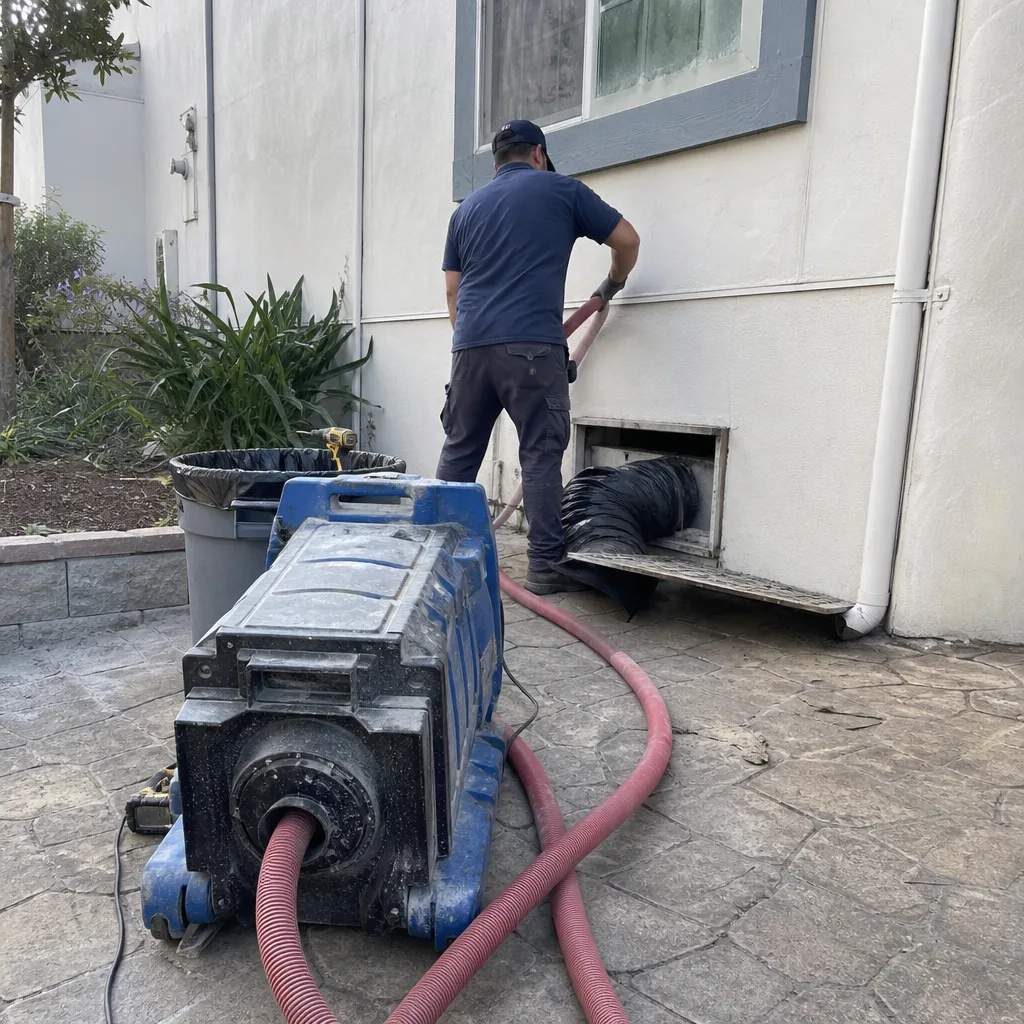 Before
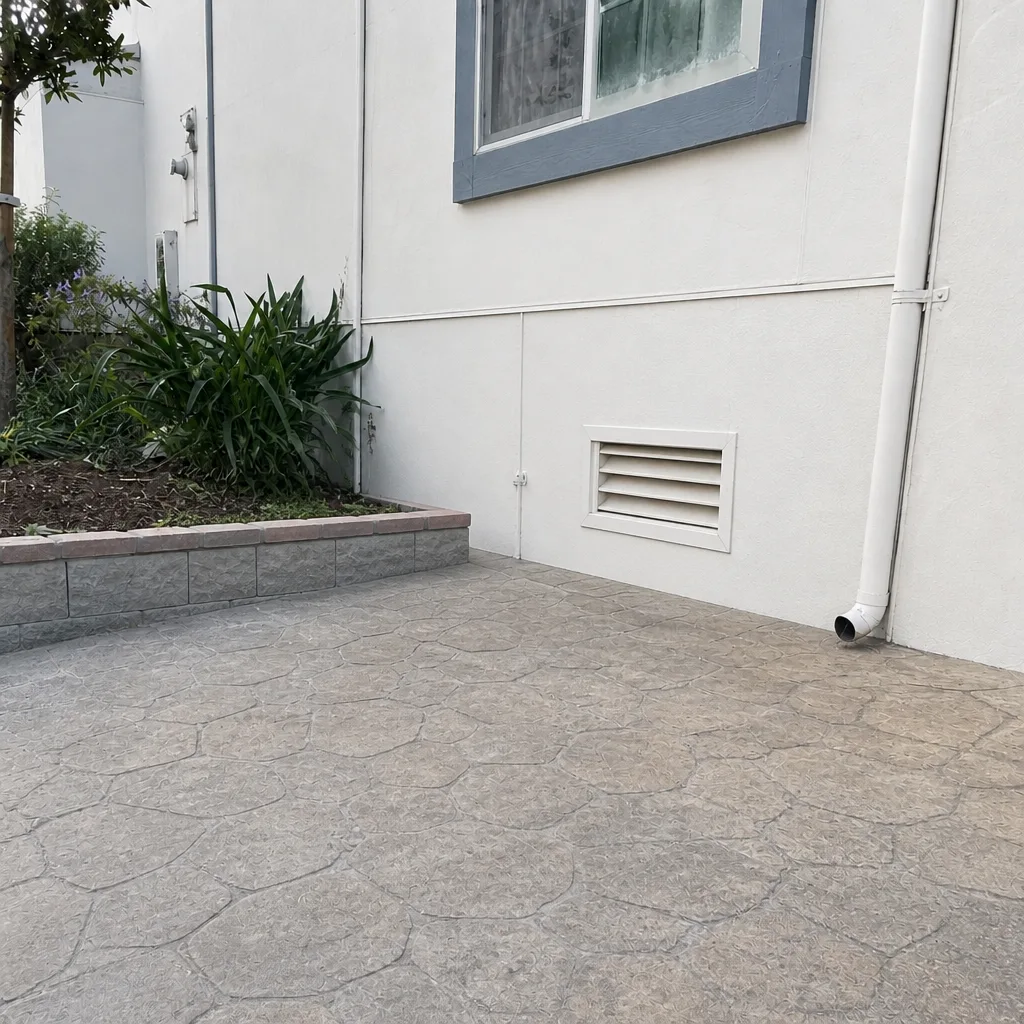 After
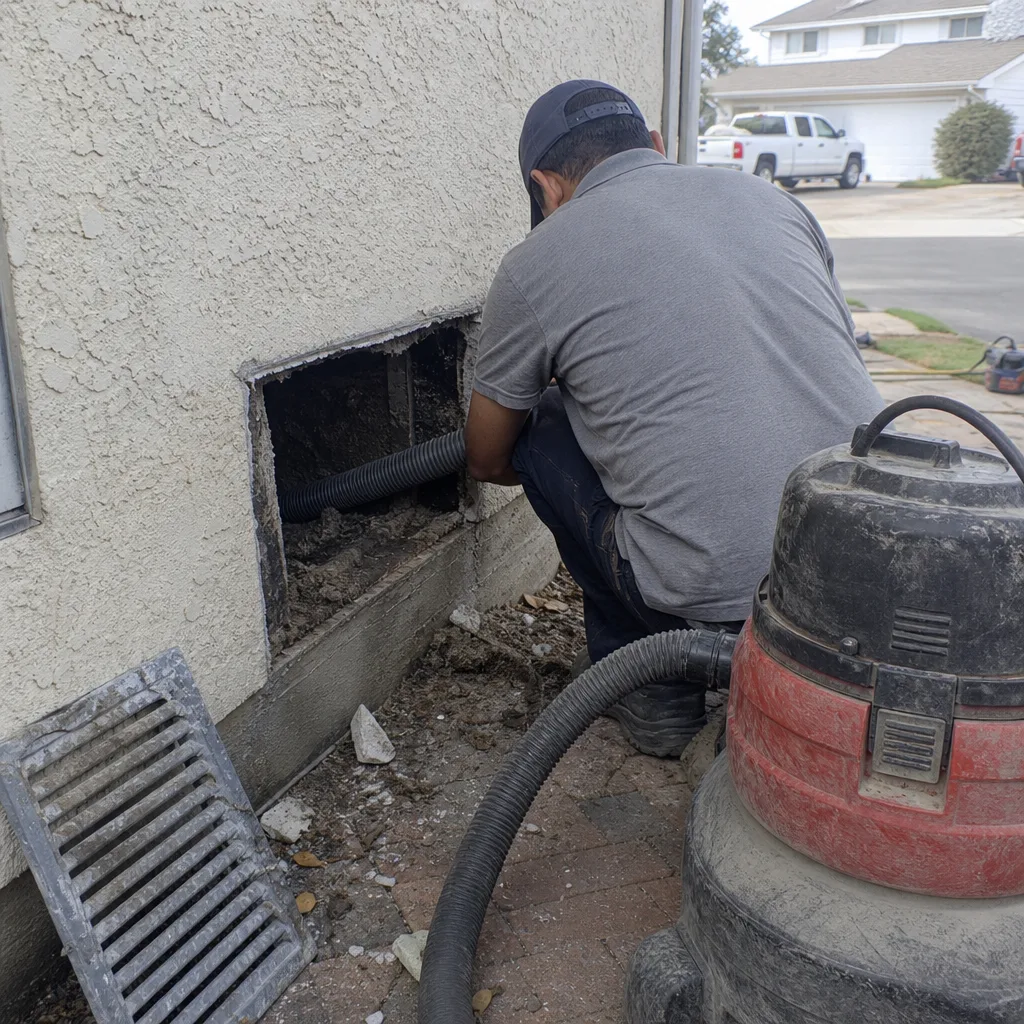 Before
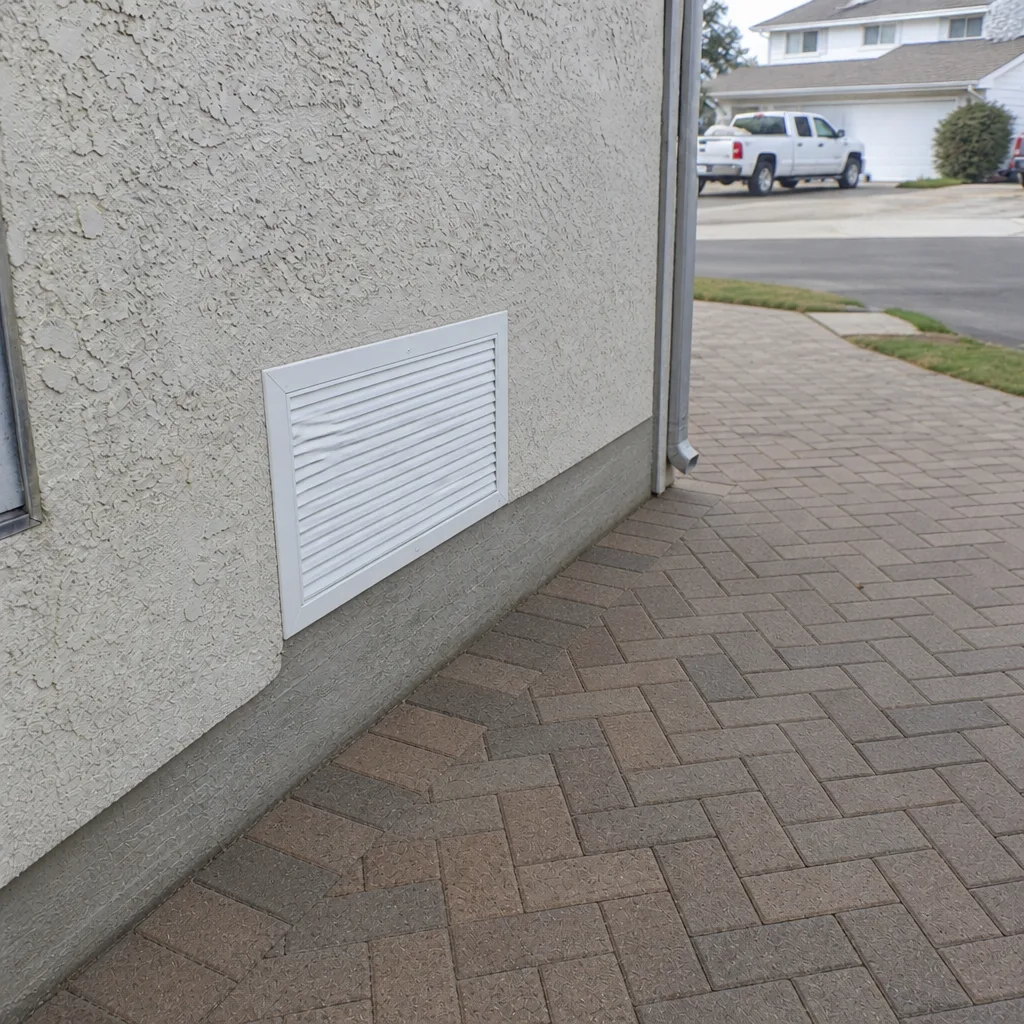 After
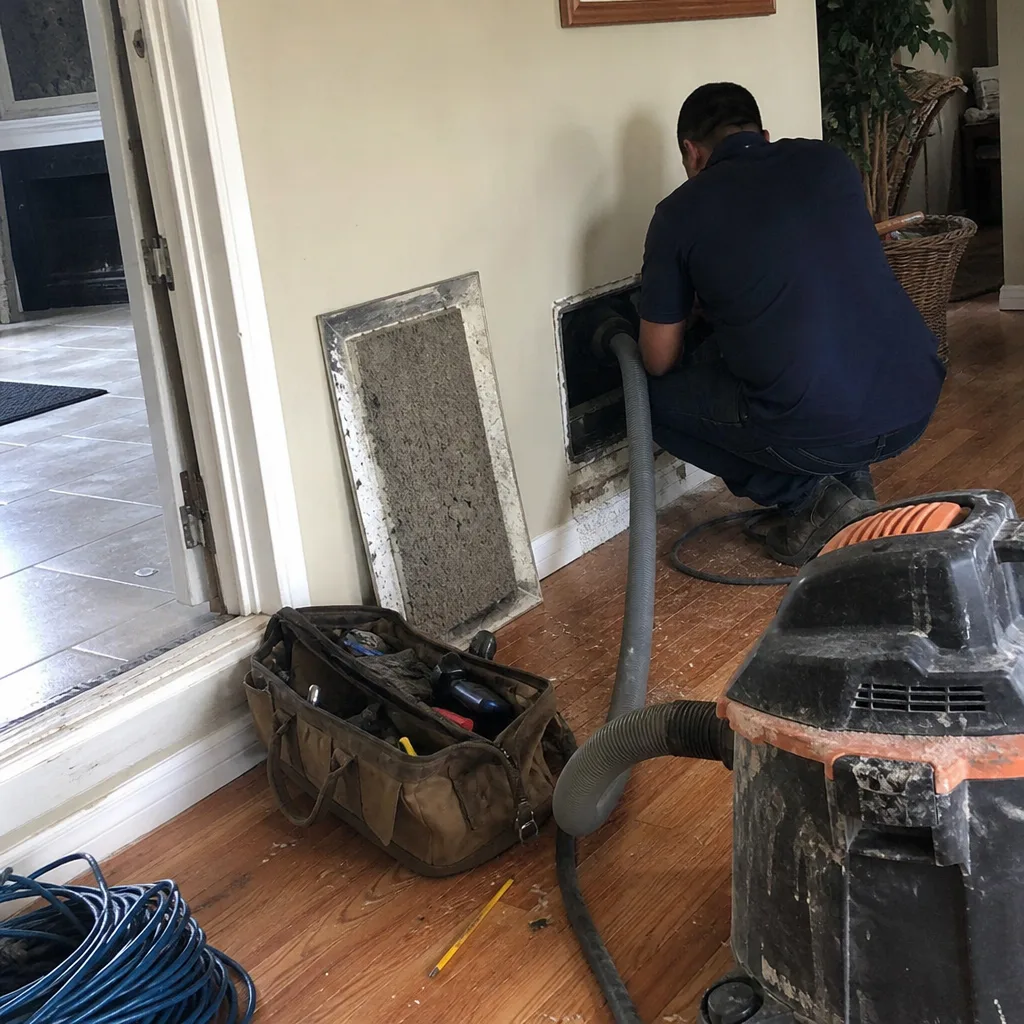 Before
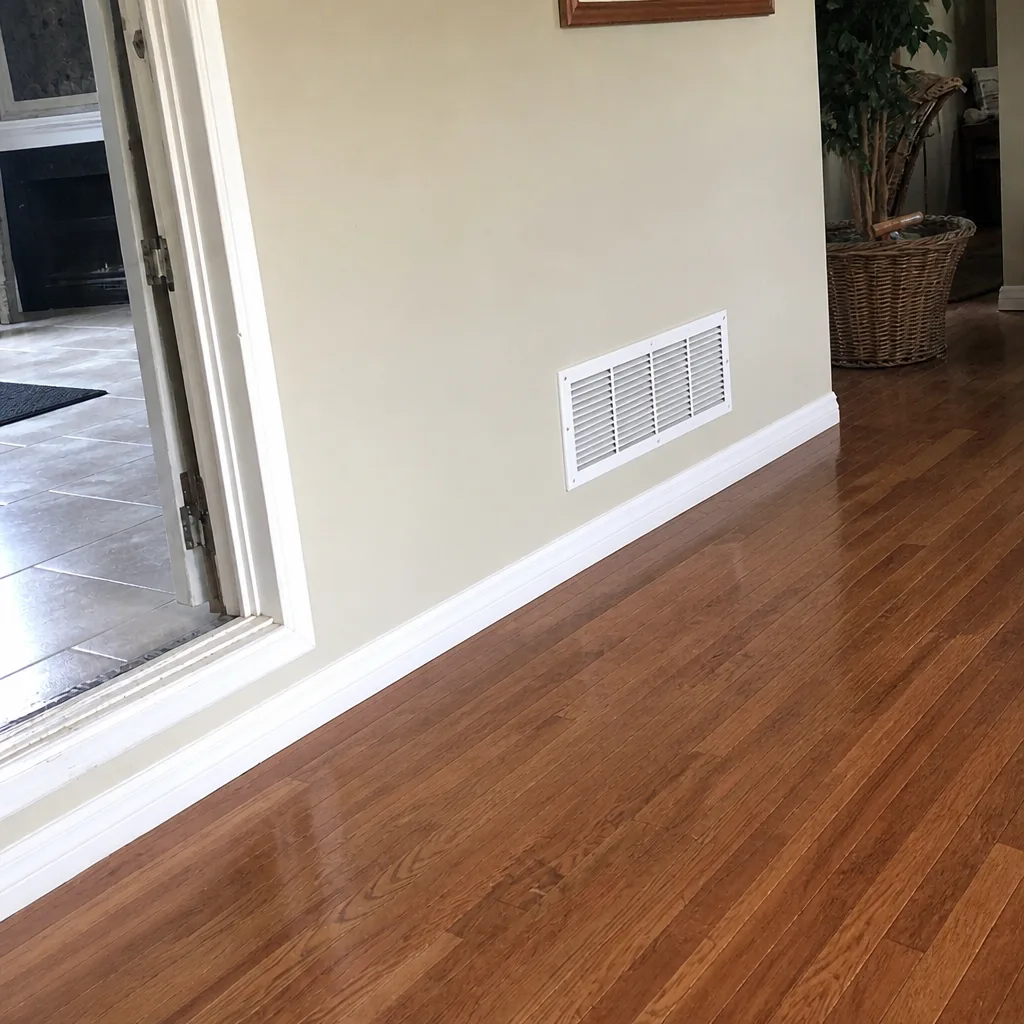 After
When to Call a Professional
Any work on the duct system beyond cleaning and sanitizing belongs with a licensed professional who can pull the permit if the scope requires it. If you’re seeing visible dust from registers, musty odors, or a debris buildup you can see, that’s a cleaning conversation. If a duct has been crushed, torn, or disconnected, or if you’re considering adding or rerouting a run, that’s a repair conversation with a permit question attached. If your property record shows duct work that was never permitted, or if a buyer’s inspector has flagged HVAC modifications, that’s a documentation conversation before you list. Dana Point Air Duct Cleaning Pros offers free estimates in Dana Point – call (855) 629-3179. We answer 24/7. Fast dispatch from 7am to 7pm, Sunday through Friday.
Frequently Asked Questions
No, routine air duct cleaning generally does not require a permit in Dana Point, because cleaning is not defined as mechanical work under the California Mechanical Code. Permits become relevant when the scope includes modifying, replacing, or reconfiguring duct components. If the work goes beyond cleaning, ask the City of Dana Point building department for a determination on your specific scope before work starts. Call (855) 629-3179 for a free estimate on the cleaning portion.
Cleaning removes debris from the existing system without changing it; modification changes the system’s layout or components. Replacing a failed duct run, swapping a plenum, rerouting a branch, or adding a register are modifications, and they fall under the mechanical code rather than maintenance. If you’re not sure which category your job is in, describe the exact work to the building department and get the answer in writing.
California Title 24 sets energy efficiency standards that include duct system performance, so sealing that changes the system’s rated leakage can bring documentation requirements along with it. This matters most in older systems with significant leakage across multiple joints. Ask your contractor directly whether the proposed scope triggers Title 24 documentation, and get the answer before work begins.
The City of Dana Point building department handles permitting for most properties within city limits, while a small number of parcels and property types run through Orange County. The fastest way to know which applies to your property is to pull your property record and then call the department with a description of the work. A specific scope gets a specific answer.
Ask for the license number and look it up through the state contractor licensing database. The lookup shows the license classification, status, expiration, and any disciplinary history. Confirm the name on the license matches the business quoting you, and confirm the scope of work falls within the C-20 classification. A legitimate mechanical contractor will provide the number without hesitation.
It’s usually fixable: pull the property’s permit history, have the existing duct work inspected and documented by a licensed C-20 contractor, and contact the building department about the process for legalizing existing work. Anything deficient may need to be brought up to current code to pass inspection. Do this before you list the home, so the documentation is in hand when a buyer’s inspector asks. For the cleaning and documentation side of that work, call (855) 629-3179 – estimates are free.
The Bottom Line
Cleaning is step one, and it’s the part that rarely involves a permit. The permit question attaches to repair and modification: replacing duct runs, swapping components, rerouting, or adding registers. California draws the line between maintenance and mechanical work, and Title 24 adds an energy compliance layer when significant sealing is part of the scope. Verify a C-20 license for any work beyond cleaning, document everything with photos and inspection records, and if you’ve inherited unpermitted work, start the legalization process before you’re in escrow. Getting the answer from the City of Dana Point building department early is the cheapest step in the whole process. Cleaning is step one. We also seal, repair, and sanitize.
Written by the team at Dana Point Air Duct Cleaning Pros.