
Last updated November 24, 2026
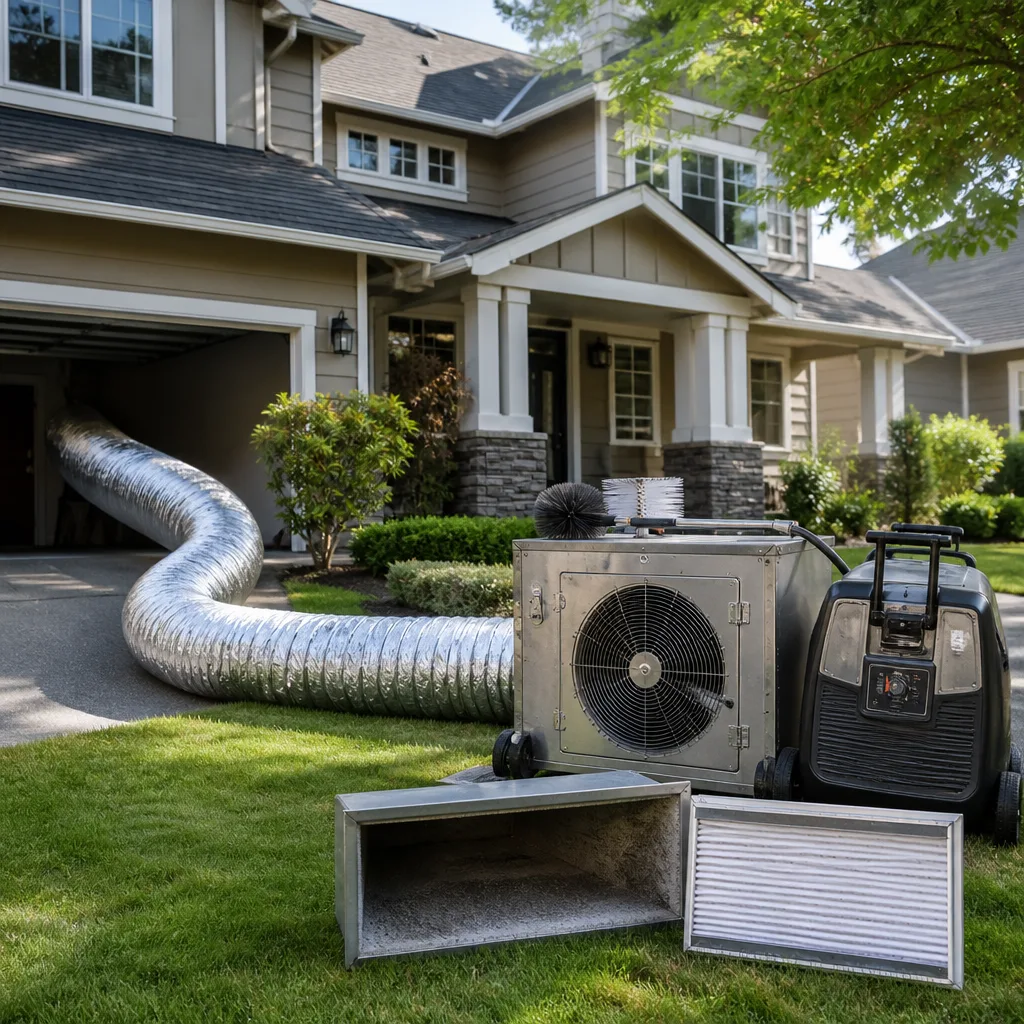 Whole-home duct cleaning
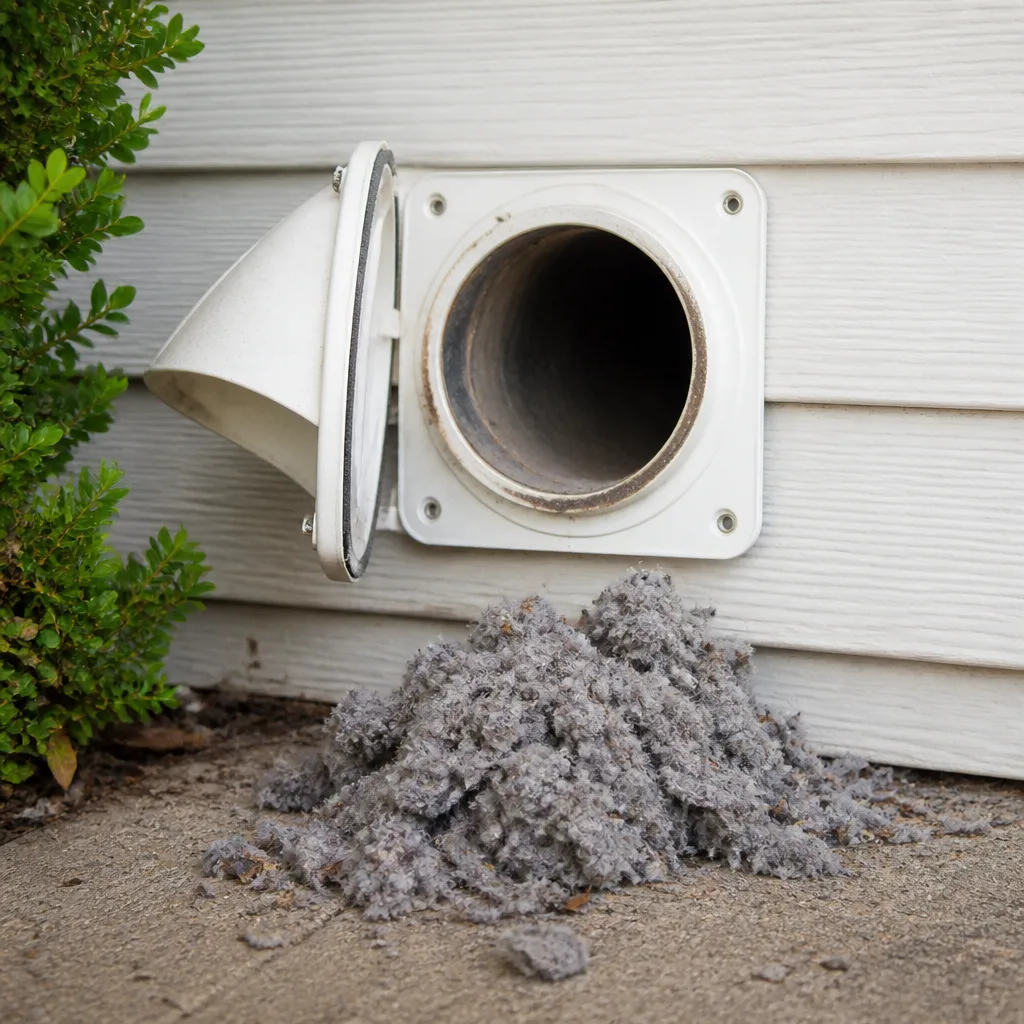 Dryer vent cleaning
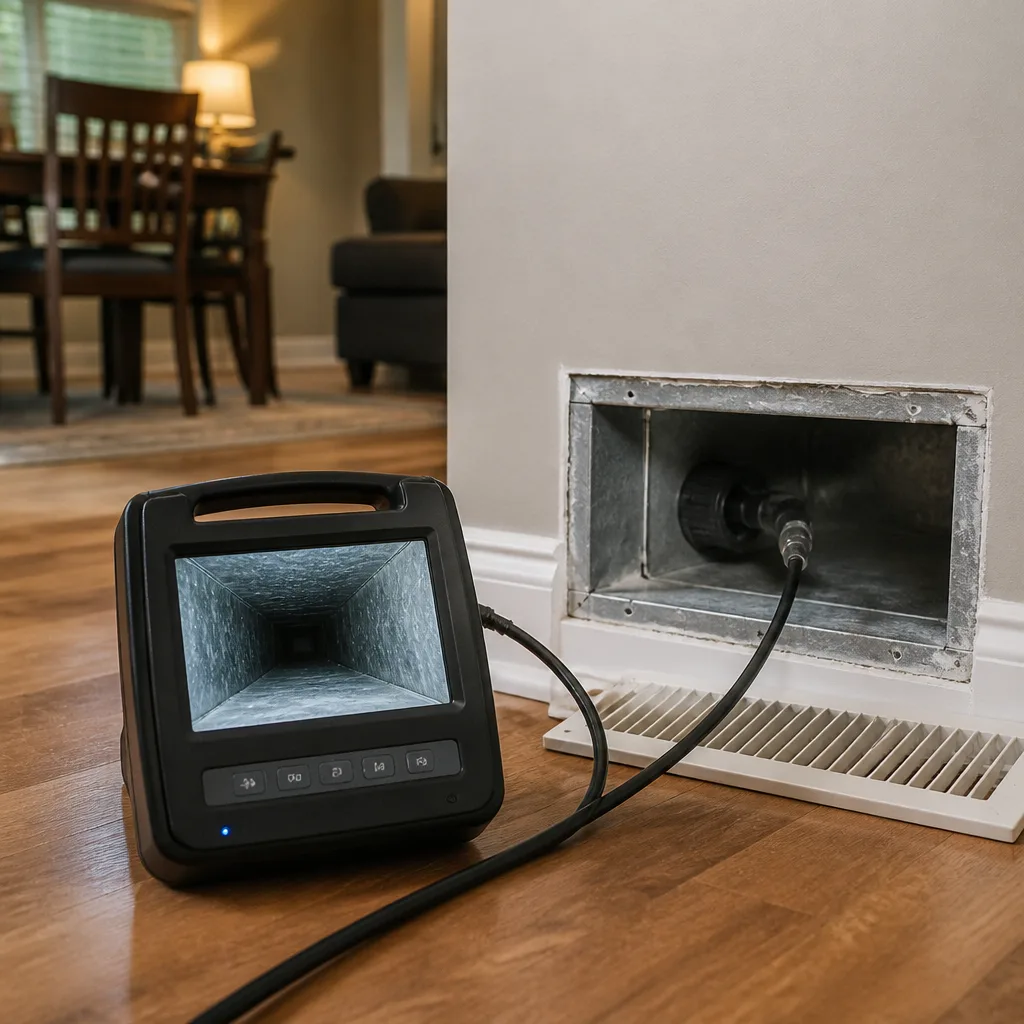 Camera inspection
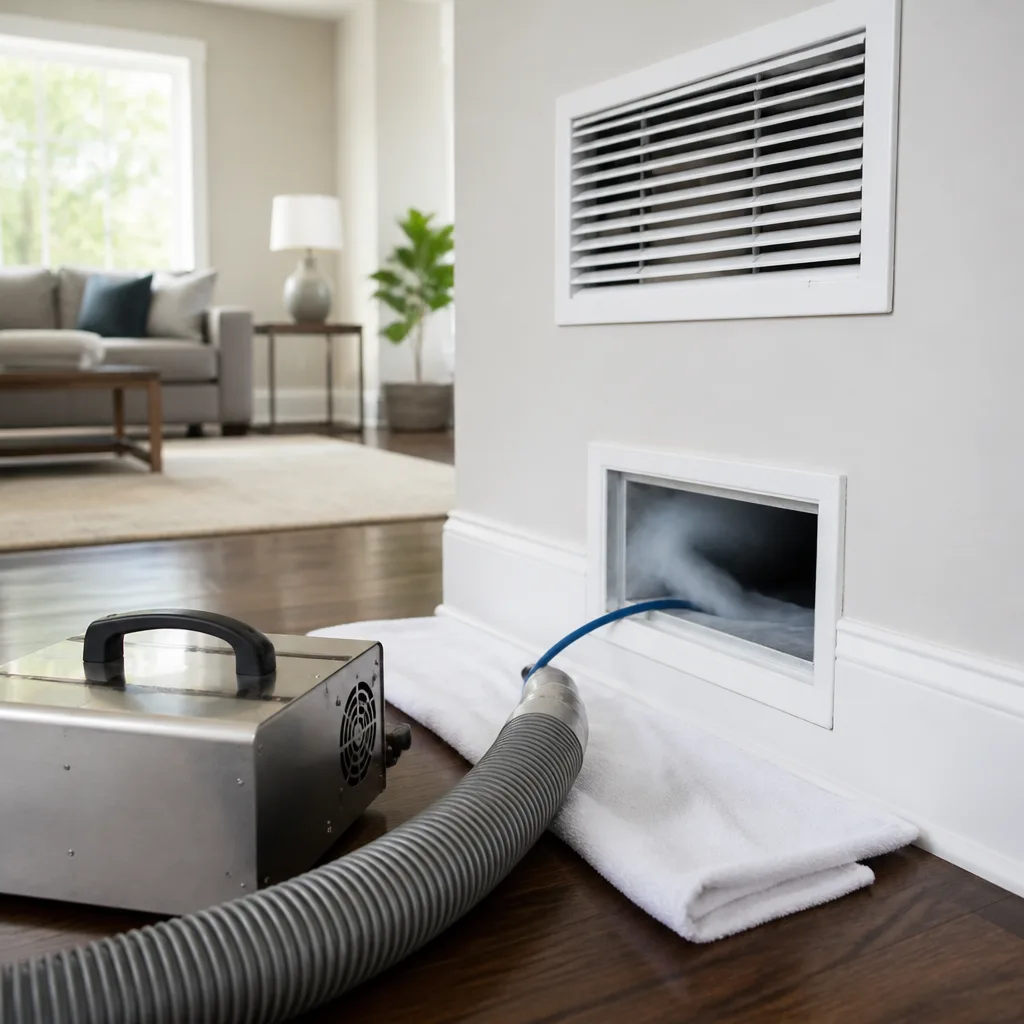 Sanitizing & deodorizing
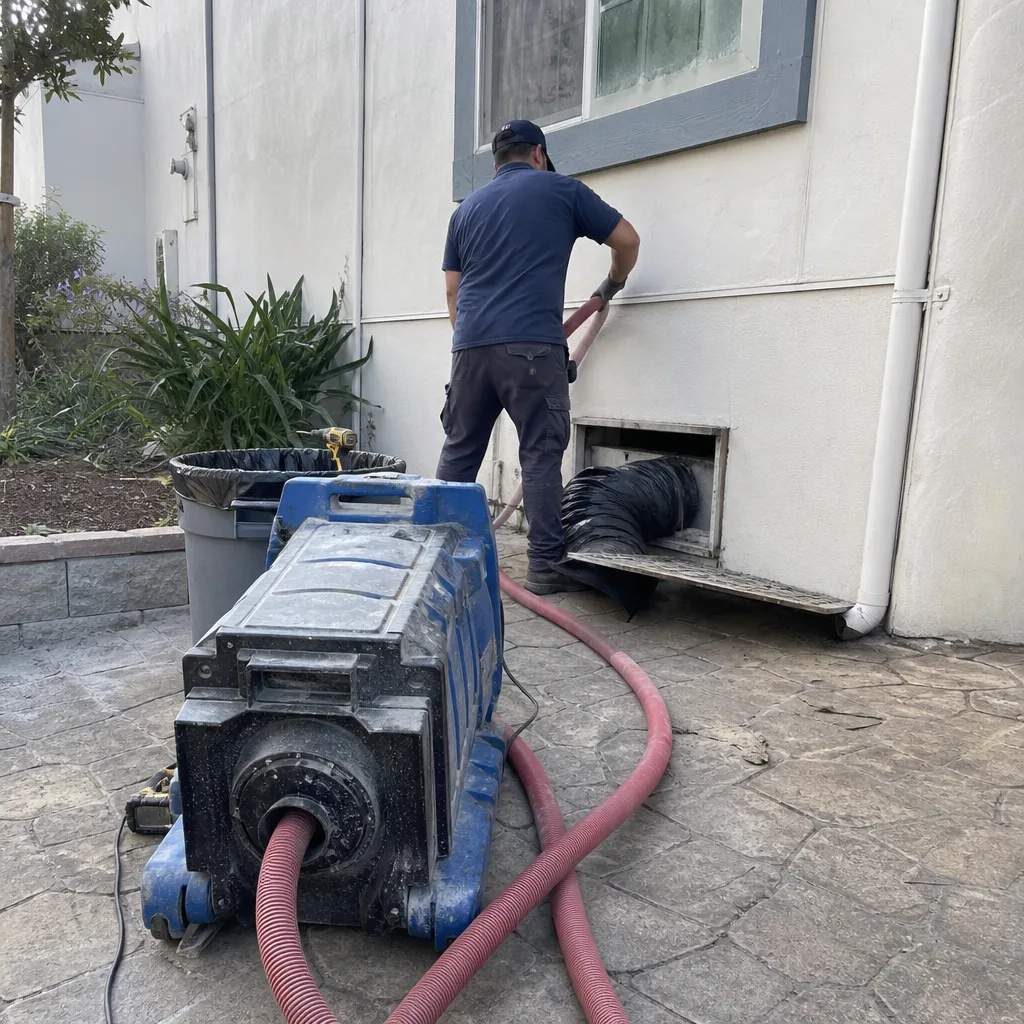
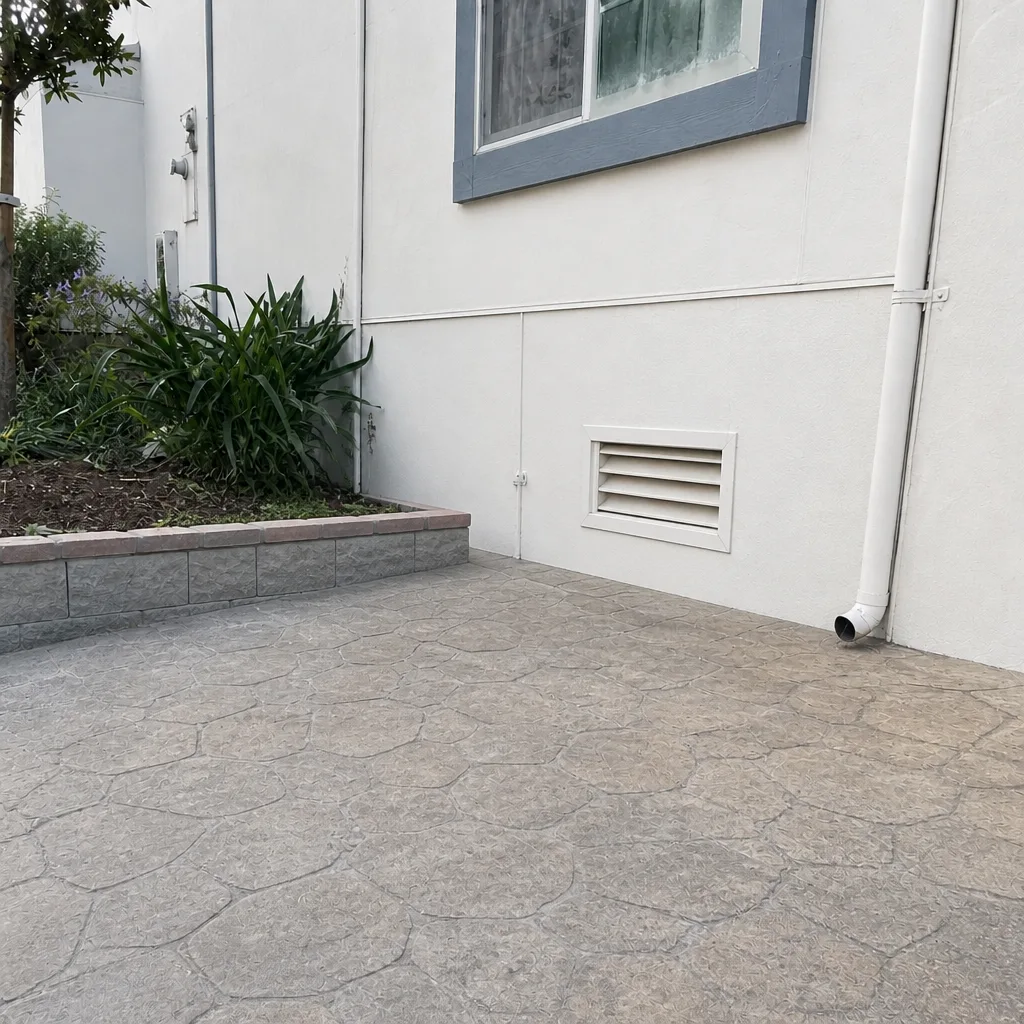
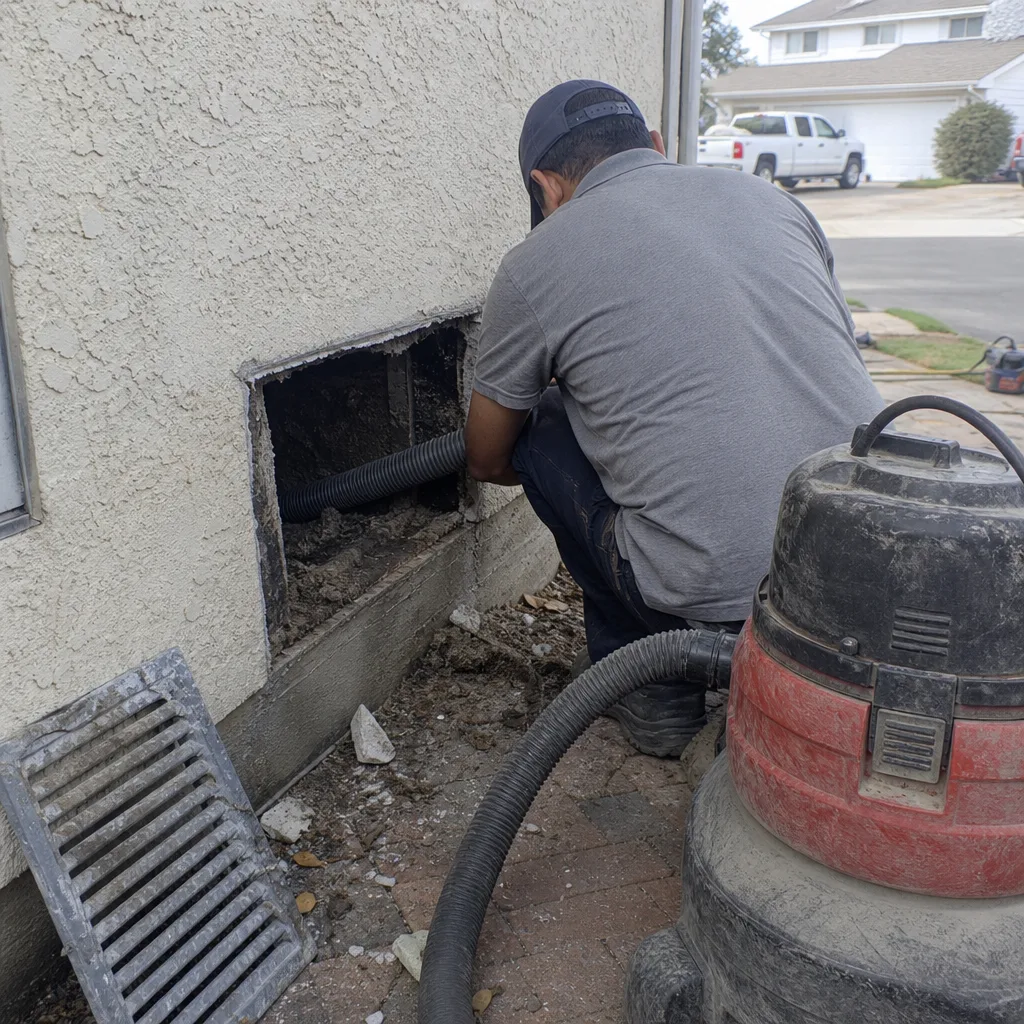
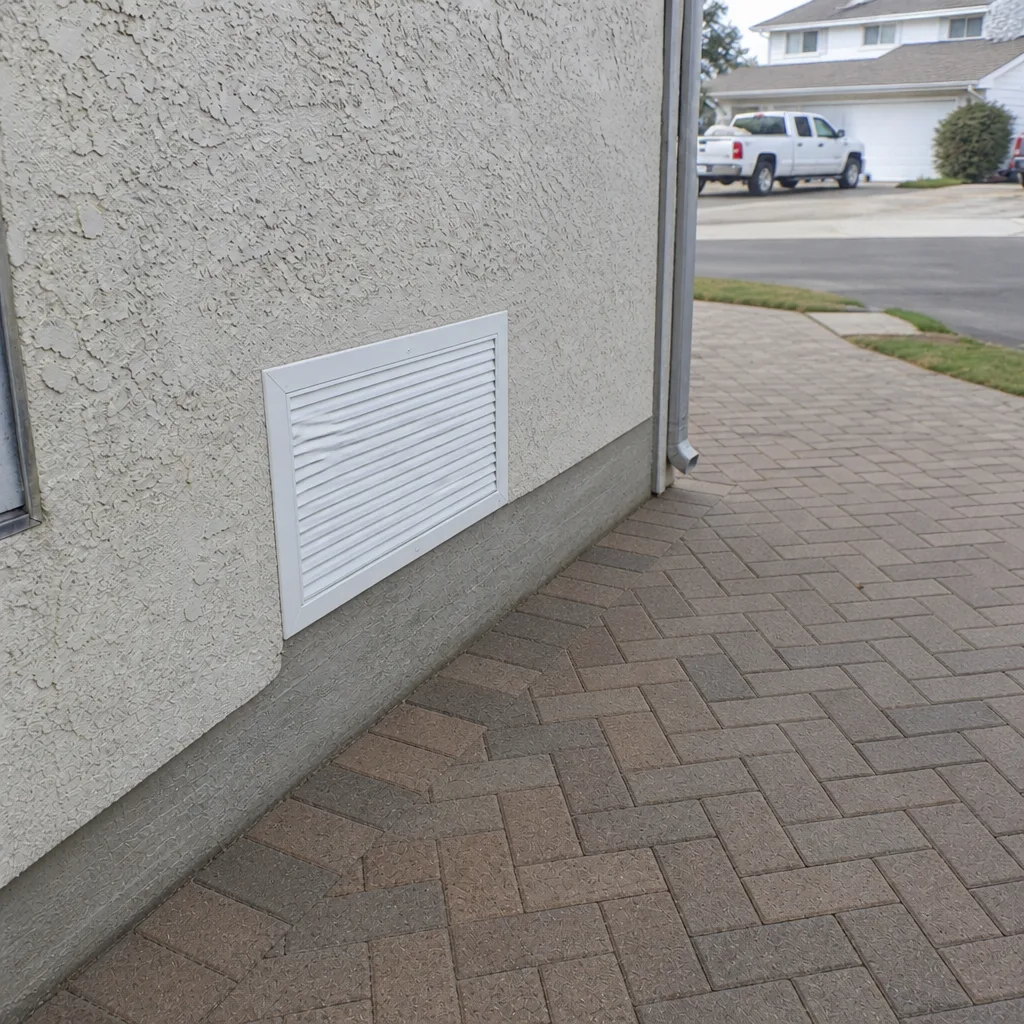
Whole-system duct and dryer vent check with before-and-after photos - you see exactly what came out of your vents
That "$99 whole-house special" is a bait ad - the real number appears once they are in your hallway, or the "clean" is a shop-vac at the register. We photograph the inside of your ducts before and after instead.
Air Duct Cleaning Maintenance Checklist for Dana Point Homeowners
The standard “change your filter every 90 days” advice was written for a generic American home, not a Dana Point property where the conditions that load your ducts change with the calendar. Offshore winds, the May Gray marine layer, and fall fire season each stress an HVAC system differently, and a fixed filter schedule ignores all of it. Most homeowners here run the same routine year-round and wonder why vents look dusty again months later. This guide gives you a task-by-task checklist mapped to how Dana Point actually behaves, so you inspect on conditions instead of the calendar.
Styles & brands we work with
- Whole-home duct cleaning
- Dryer vent cleaning
- Camera inspection
- Sanitizing & deodorizing
Quick Answer
A Dana Point air duct maintenance checklist should pair a full professional duct cleaning with seasonal filter and register checks tied to local conditions: a filter-loading inspection each month, a coil and blower check before summer, a vent and register walkthrough after fire season, and an extra inspection cycle any time your property sees high occupancy. Watch for dust at the supply registers, musty odors, and rising energy bills between scheduled cleanings, and book professional service when any of those show up.
Table of Contents
- Why Generic Duct Advice Fails in Dana Point
- The Dana Point Seasonal Duct Maintenance Calendar
- How to Do a Real Filter-Loading Check
- Inspecting Registers and Return Grilles Room by Room
- Components Beyond the Ducts: Coil, Blower, and Drain Pan
- High-Occupancy and Vacation Rental Inspections
- How Often Ducts Actually Need Professional Cleaning
- Common Mistakes to Avoid
- When to Call a Professional
- Frequently Asked Questions
- The Bottom Line
Why Generic Duct Advice Fails in Dana Point
Most duct maintenance advice you find online is written for a house in a neutral climate. Dana Point doesn’t have a neutral climate. It has a marine influence that keeps humidity higher than inland Orange County, a “May Gray” marine layer that parks moisture over the coast each spring, offshore wind events that carry particulate from inland toward the marine air, and a fall fire season that can push smoke across the whole area for days or weeks. Each of these loads your duct system in a different way.
The second issue is occupancy. Dana Point has a large vacation rental and seasonal-occupancy footprint. A house that sits empty for weeks and then fills with guests draws far more air through its system during busy stretches, and that variable load doesn’t fit a one-size annual cleaning schedule.
What that means practically:
- Filter schedules shift. A filter that lasts 90 days in a controlled climate can load in half that time after a smoke event or a busy rental month.
- Moisture matters. The spring marine layer raises indoor humidity, and that affects duct surfaces and any spots where condensation forms.
- Occupancy matters. More people in the house means more return air moving through the system and more particulate pulled in.
- Fire season adds particulate. Smoke drawn into return air deposits fine particles on duct walls and on the coil face.
A checklist built for Dana Point has to account for all four. Ours does, and it starts with the calendar.
The Dana Point Seasonal Duct Maintenance Calendar
This is the core of the guide. Each task below is tied to a real seasonal pattern in Dana Point, not just a month on a generic list. Running through the full cycle takes maybe 30 minutes of your own time across the year, plus professional service when the calendar calls for it.
Winter (December to February): Low-Load Check and Seals
Winters here are mild, so HVAC systems often run less, which makes winter the ideal time to look for the problems that only show up when the system is idle. The marine layer and occasional rain push humidity higher, and that’s when you’ll notice condensation near registers or a musty smell coming from a supply vent.
- Sniff test at each register. Run the fan briefly in each room and note any musty odor. That’s a sign of biological growth on a duct surface or the coil face.
- Look at seal points. Where ducts connect to registers, look for gaps, loose tape, or separated joints. Air leaking out of a compromised joint is air you paid to condition.
- Check the return grille. A return grille is where the system pulls air in; a dirty return means the whole system draws more particulate.
- Note any condensation. Water near a register or joint points to a moisture source that needs professional repair and sealing.
Spring (March to May): Filter Reset and Coil Inspection Before May Gray
Before the marine layer sits over Dana Point, reset your filter schedule and give the coil a look. Spring is also when you should schedule professional service if you haven’t had a cleaning in a year or more, so the system starts the cooling season clean.
- Replace the filter at the start of spring regardless of the calendar count.
- Inspect the coil face through the access panel if it’s visible (turn the system off first).
- Schedule a professional coil and blower check ahead of the cooling season.
- Look for any early biological growth around registers in the rooms most exposed to the marine layer.
Summer (June to August): Peak Load and Register Walkthrough
When the system runs every day to keep the house comfortable through the marine layer, duct surfaces get the most traffic. This is when a dirty system is most obvious, and when a compromised joint costs the most in energy.
- Walk every room once a month. Run a hand near each supply register and check for visible dust.
- Do a filter-loading check (see the full method below). Summer is when a filter can load in weeks.
- Watch the energy bill. A system working harder against a restricted return or a dirty coil shows up in usage.
- Log anything you notice. A one-sentence note per room per month is enough to spot a pattern.
Fall (September to November): Fire-Season Response and Post-Smoke Cleaning
Fall fire season is the most consequential time of year for a Dana Point duct system. Offshore wind events can push smoke across the area for days or weeks, and smoke drawn into return air leaves fine particulate on the coil, the blower, and all the duct walls downstream. This is the time of year to be most attentive.
- Upgrade the filter during smoke events. Use the highest MERV rating your system is rated for; check the system specs before jumping MERV ratings, because a filter rated higher than the system can handle can restrict airflow.
- Close windows and run the fan in recirculate mode during smoke events. It keeps outside air out while the filter does its job.
- Inspect registers after a smoke event. A visible haze or dusty film at the register means you should consider professional cleaning.
- Book a post-fire-season cleaning. Fall is the most common time we recommend a full professional service in Dana Point.
How to Do a Real Filter-Loading Check
A visual glance at a filter is not a proper check. A filter can look nearly clean on the surface while its pleats are loaded deep, and the resistance the system sees is what matters, not color. Here’s the method professional technicians use to judge filter condition accurately.
- Mark the install date on the filter frame with a pencil so you know the actual service interval, not a guess.
- Pull the filter and hold it up to a strong light. If the light through the pleats is noticeably dimmer than through a new filter, it’s loading.
- Hold it face-up and tap the frame gently. A filter that releases a dust cloud has more trapped particulate than it looks like.
- Look at the pleat valleys, not just the face. The valleys trap the most particulate and are the first place to show real loading.
- Check the air handler or furnace access for a filter loading mark. Some units have a pressure port or access sticker that tells you what the system’s rated static pressure is; if you notice the system runs longer between filter swaps, the filter may be the reason.
- Record what you see. A simple log with the install date and the visual check helps you spot patterns. If you’re replacing the filter every six weeks instead of every month, something is loading your system faster than normal.
What “loaded” looks like in Dana Point in particular: after a fall smoke event, a filter can load visually within a week. In a quiet spring with no smoke, a filter often lasts its full rated interval. The calendar is the starting point, not the answer.
Inspecting Registers and Return Grilles Room by Room
Not every room in a Dana Point house loads the same way. Rooms on the marine-facing side of a house can show biological growth or surface oxidation at the register earlier than interior rooms, because moisture in the marine layer settles on those surfaces. The register is the easiest place to spot a problem, so make it the start of your inspection.
How to inspect a register:
- Remove the grille and set it aside.
- Shine a light into the duct opening and look for visible dust, biological growth, or discoloration on the duct wall and fins.
- Look at the grille’s metal surface itself. A white or chalky film on the grille can indicate surface oxidation from humidity, and a dark film can indicate growth.
- Check the fit. A grille that doesn’t seat cleanly means air is leaking around it, which can pull dust from the wall cavity.
- Do this for supply registers and return grilles. Returns usually show more dust because they’re pulling air in, so look at each return separately.
What to note: a dusty register that clears up after a wipe is normal. A register with persistent dust, discoloration, or a smell after cleaning is a sign the duct itself needs professional service. That distinction saves you from calling about a filter problem, and saves you from ignoring a real one.
Components Beyond the Ducts: Coil, Blower, and Drain Pan
Your ducts don’t work in isolation. The coil, blower wheel, and drain pan sit in the same air path, and a duct cleaning that skips them leaves the source of the problem in place. A dirty coil sheds particulate into the airstream, and a blower wheel with dust on its fins moves less air, which makes the whole system run longer. This is why a full-system HVAC cleaning addresses all of it together.
What to look at and what it tells you:
- Coil face: A dusty, matted, or grayish film on the coil face reduces heat transfer and airflow. It’s a strong sign the ducts upstream are carrying more particulate than they should.
- Blower wheel: Dust on the fins of the blower wheel reduces air movement. If the system feels weak at the registers, the blower wheel is a good place to look.
- Drain pan: Standing water, a slimy film, or a musty smell from the drain pan points to a moisture source that needs professional attention. A drain pan that stays wet invites biological growth, and that growth gets carried through the ducts.
- Seal points at the air handler: Loose connections at the air handler leak air and pull in dust from the space around the unit.
Call a professional if any of these show real accumulation. DIY cleaning of a coil, blower, or drain pan can damage components and void warranties; the tools a technician uses (a rotary brush and vacuum extraction system like a Rotobrush or Nikro platform) are the same ones commercial HVAC contractors rely on, and they’re not in your garage. Cleaning is step one; a full-system service also repairs and seals compromised joints, so the system stops re-loading itself.
High-Occupancy and Vacation Rental Inspections
A common gap in a Dana Point maintenance routine is treating every property the same. A vacation rental or a house that fills with guests during peak season draws far more air through its duct system than a full-time residence of the same size, and the occupancy load doesn’t fit a standard annual schedule.
Practical triggers for an accelerated inspection cycle:
- After a high-turnover stretch. If a rental property has back-to-back bookings over a season, run the register walkthrough and filter check at the end of that stretch, not at the annual mark.
- After a large group stay. More people means more return air and more particulate. Do a quick register walkthrough afterward.
- After a smoke event during guest occupancy. A guest who leaves windows open during a smoke event pushes particulate into the system. Schedule a professional check afterward.
- Before a seasonal reopen. If a property sits empty for weeks, check for musty odors and damp registers when you open it up again.
- On any odor complaint. A guest complaint about a musty or dusty smell is a signal, not a nuisance. Treat it as a maintenance trigger.
A property manager running several Dana Point rentals can use a shorter, lighter version of this checklist between full professional cleanings: register wipes, a filter check, and a quick look at the return grille. When the light version turns up something, book service. For a thorough clean, our air duct cleaning service covers the full system from supply registers through the returns.
How Often Ducts Actually Need Professional Cleaning
Most Dana Point homeowners should schedule professional duct cleaning every one to three years, with the exact interval depending on occupancy, whether there’s a pet, whether the property has had a smoke event, and what year-round maintenance you do. That’s a range, not a rule. A busy rental property in a fire-prone year can need service sooner; a quiet, well-maintained residence can stretch toward the longer end.
Signs a cleaning is due rather than routine:
- Visible dust coming from supply registers when the system runs
- A musty or dusty odor from any register
- Persistent allergic-type symptoms that ease when you leave the house
- Energy bills climbing without a change in usage
- A filter that loads in less than a month
- Recent renovation, remodeling, or water damage
- A recent wildfire smoke event with days of smoke in the area
- A visible haze or film at return grilles after cleaning
Two services that pair naturally with duct cleaning: our dryer vent cleaning service, which addresses the lint buildup that poses a residential fire risk that duct-only cleaners often skip, and air quality products from Honeywell and Aprilaire that address filtration, humidity control, and purification at the source. If your ducts are clean but the air still tastes stale, the problem is likely upstream of the ductwork, and a filtration or humidity solution is a better fit than another cleaning.
Common Mistakes to Avoid
- Relying on the 90-day filter rule. A Dana Point system in fall fire season can load a filter in a fraction of that time, and a knee-jerk filter swap in a quiet month just wastes money. Check by the light test instead of the calendar.
- Skipping the coil and blower. A duct cleaning that stops at the register leaves the coil and blower wheel dirty, and the system re-loads the ducts from the inside. Ask for a full-system service.
- Trusting a shop vac and a quick blow-through. A shop vac doesn’t have the airflow or the agitation a duct system needs. You want a rotary brush and vacuum extraction system like a Rotobrush or Nikro platform, the same kinds of tools commercial contractors use.
- Ignoring the marine-facing rooms. Registers on the side of the house exposed to the marine layer can show biological growth before interior rooms do. Inspect those rooms first.
- Letting a rental property run on the same schedule as a full-time home. Higher occupancy means the system loads faster, and an annual mark misses the real trigger. Tie the inspection to turnover, not the calendar.
- Skipping the dryer vent. Lint buildup in a dryer vent is a well-documented residential fire hazard, and it’s easy to forget. Add it to the same annual check as the ducts.
- Booking on price alone without a documented before-and-after. A cleaning you can’t see isn’t a cleaning you can verify. Look for a service that shows you before-and-after photos of your own ducts and agrees on a flat price per system before work begins.
When to Call a Professional
Call a professional when you find persistent dust at registers after cleaning, a musty odor that returns, water or condensation near a duct or register, a coil or blower wheel with visible accumulation, or a filter that loads in weeks rather than months. Call after any fire-season smoke event that lasted days, and call before selling or moving into a property if the ducts haven’t been serviced in the last few years. Call if you’re a property manager dealing with a rental turnover and you suspect the system is loaded. And call if the system’s air movement feels weak, which often points to a dirty blower or a compromised joint, not just a dirty filter. Dana Point Air Duct Cleaning Pros offers free estimates in Dana Point. Call (855) 629-3179. We answer 24/7. Fast dispatch from 7am to 7pm, Sunday through Friday.
Frequently Asked Questions
Every one to three years for most homes, with a shorter interval for high-occupancy or vacation rental properties and a shorter interval after a significant smoke event. The right trigger is what the system is actually seeing, not a fixed number. If your filter loads in less than a month or a register keeps dusting up after cleaning, schedule service sooner. Call (855) 629-3179 for an exact quote. Estimates are free.
Yes. Smoke drawn into the return air leaves fine particulate on duct walls, the coil face, and the blower, and that particulate keeps circulating long after the outdoor air clears. That’s why we recommend a post-fire-season professional cleaning for Dana Point homes. If your registers show a haze or your filter loaded unusually fast during a smoke event, book a check. Call (855) 629-3179. Estimates are free.
A professional service should use a rotary brush and vacuum extraction system, like the Rotobrush or Nikro platforms commercial HVAC contractors rely on, not a shop vac or a blow-and-go method. That agitation plus extraction is what actually removes particulate from the duct wall instead of suspending it. Ask what equipment the service uses before you book. Call (855) 629-3179. Estimates are free.
Cheap quotes usually cut the equipment, the time, or the scope. A quick blow-through with a shop vac doesn’t agitate the duct wall the way a rotary brush system does, and it often skips the coil and blower entirely. We give one flat price per system, agreed before work starts, with before-and-after photos of your own ducts, so there’s no surprise invoice once the technician is on site. Call (855) 629-3179. Estimates are free.
Ask for before-and-after photos of your own ducts and a documented summary of what the technician found. A service that uses a rotary brush and vacuum extraction system has a visible trail you can compare against; a service that doesn’t leaves you with a promise. Call (855) 629-3179 for an exact quote. Estimates are free.
Yes, if your dryer vent hasn’t been serviced in the last year or two. Lint buildup in a dryer vent is a documented fire hazard, and many duct-only cleaners skip it. Combining the two services on one visit means one trip and one clear picture of both systems. Call (855) 629-3179. Estimates are free.
The Bottom Line
A Dana Point duct maintenance checklist is not the generic 90-day filter rule. It’s a seasonal routine, built around offshore wind, the May Gray marine layer, and fall fire season, and it’s tied to occupancy. Check your filter with the light test instead of the calendar, inspect registers room by room and start with any room exposed to the marine layer, look at the coil, blower wheel, and drain pan alongside the ducts, and treat a rental property on its own turnover-triggered cycle. When any of those turn up something real, book professional service. We combine cleaning, repair, sealing, sanitizing, and dryer vent service in one visit, and we use the same equipment commercial HVAC contractors do. See what’s inside your ducts, and what we do about it, with a free estimate from Dana Point Air Duct Cleaning Pros. Call (855) 629-3179. We answer 24/7. Fast dispatch from 7am to 7pm, Sunday through Friday.
Written by the team at Dana Point Air Duct Cleaning Pros.
See the difference
 Before
 After
 Before
 After
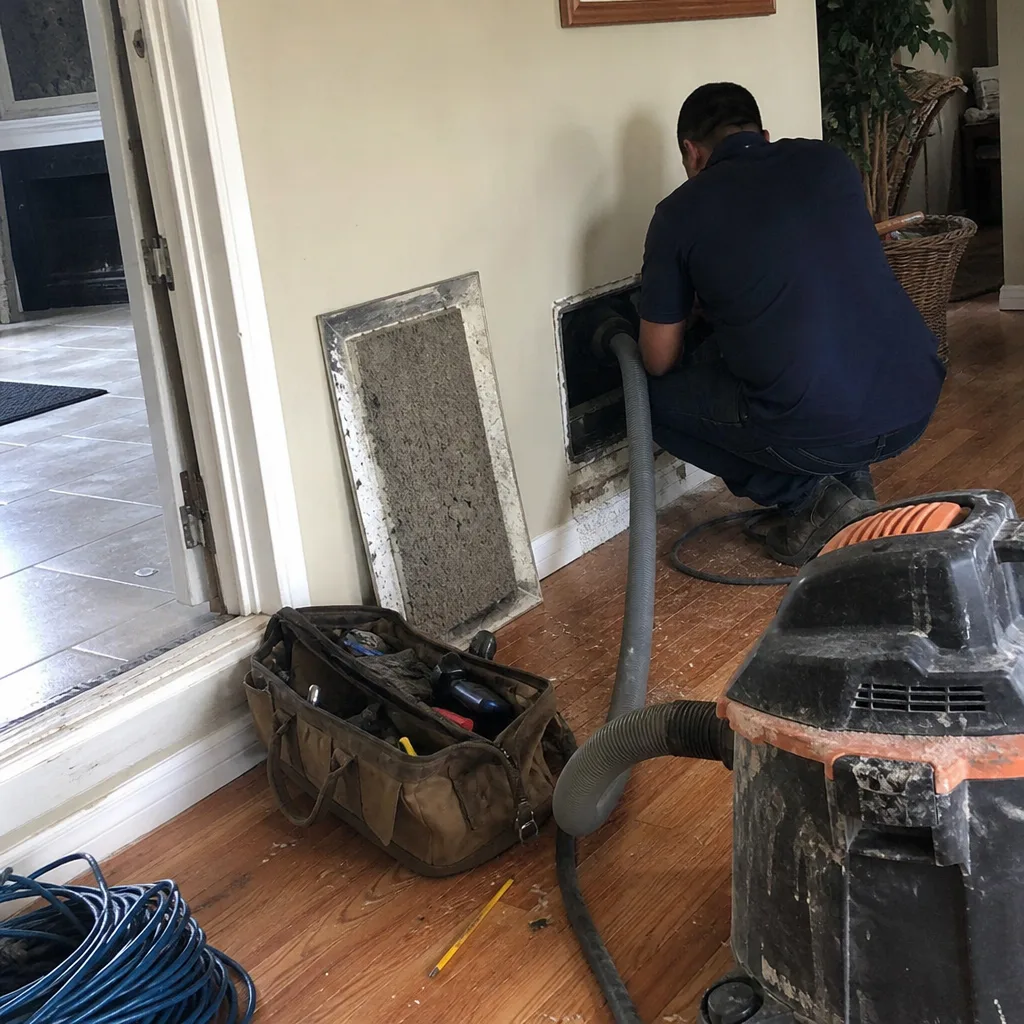 Before
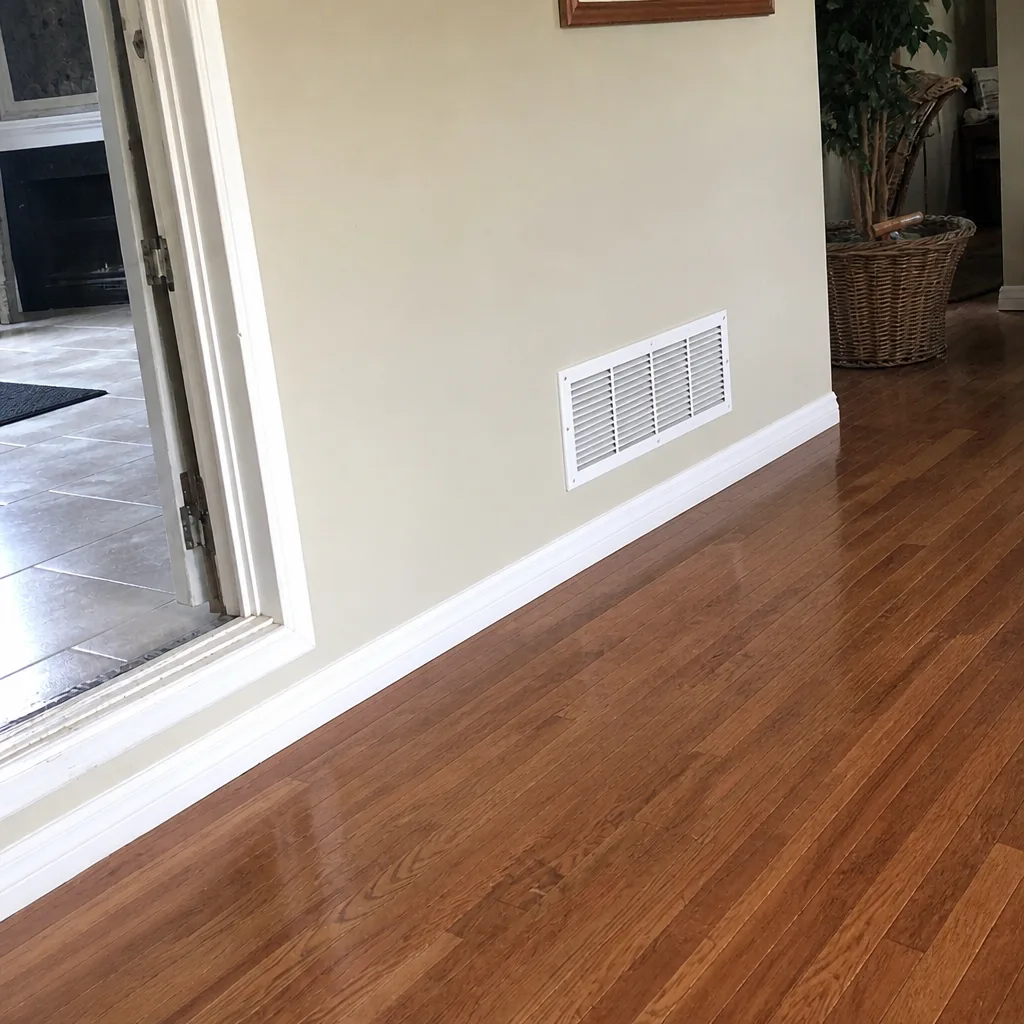 After