
Last updated November 24, 2026
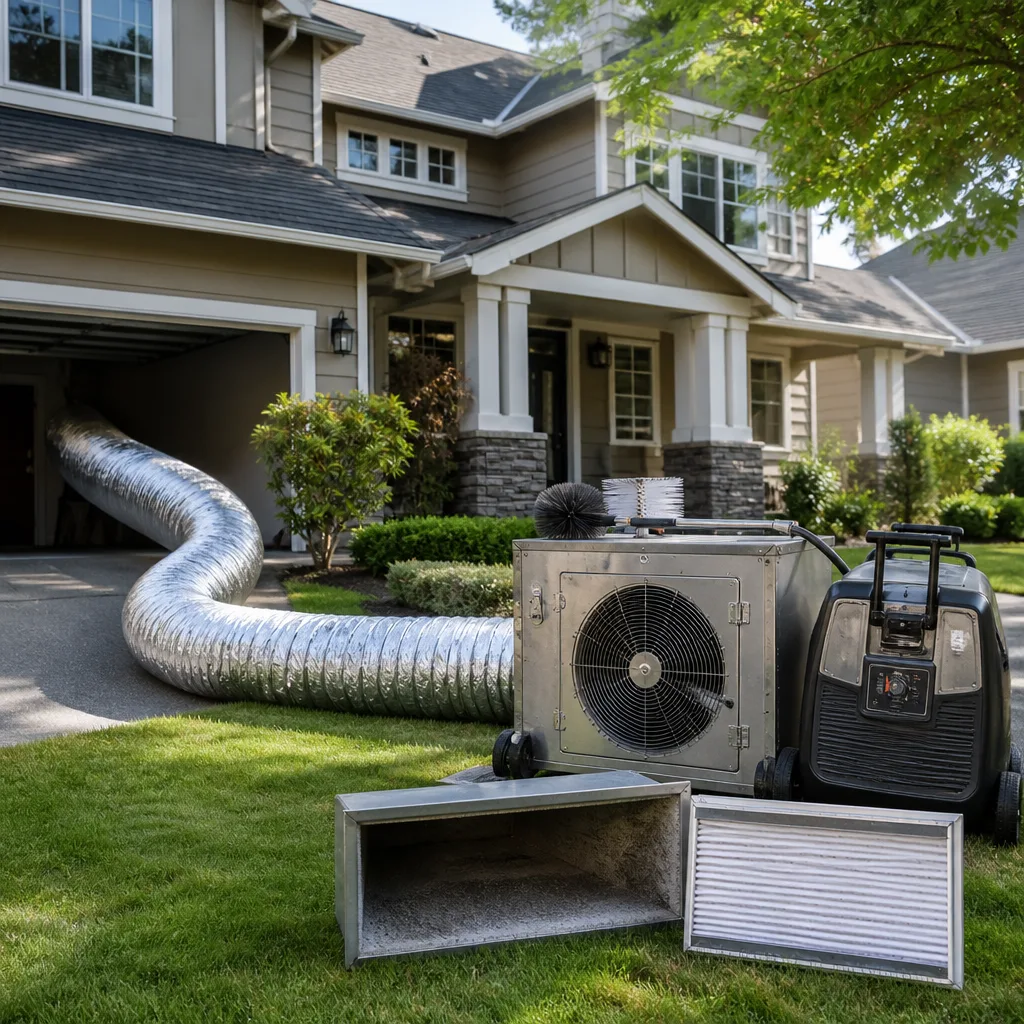 Whole-home duct cleaning
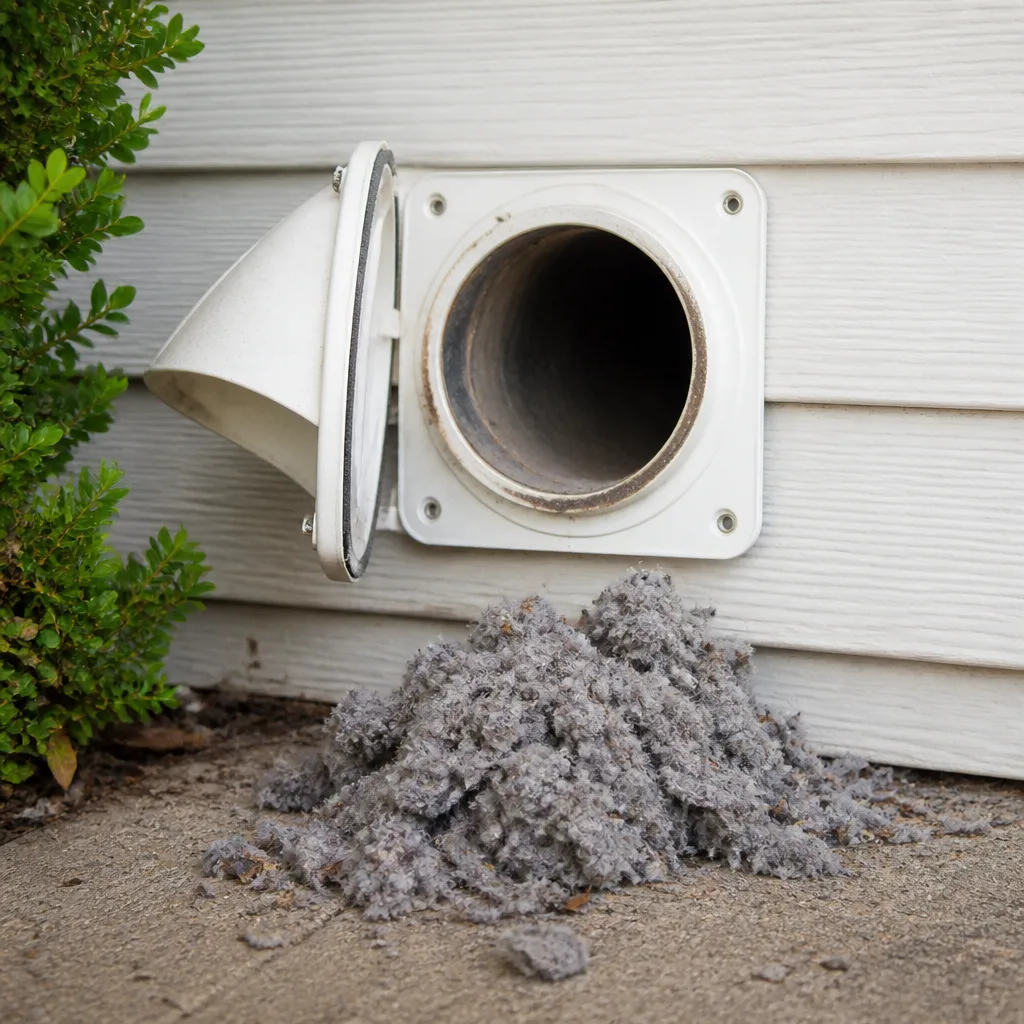 Dryer vent cleaning
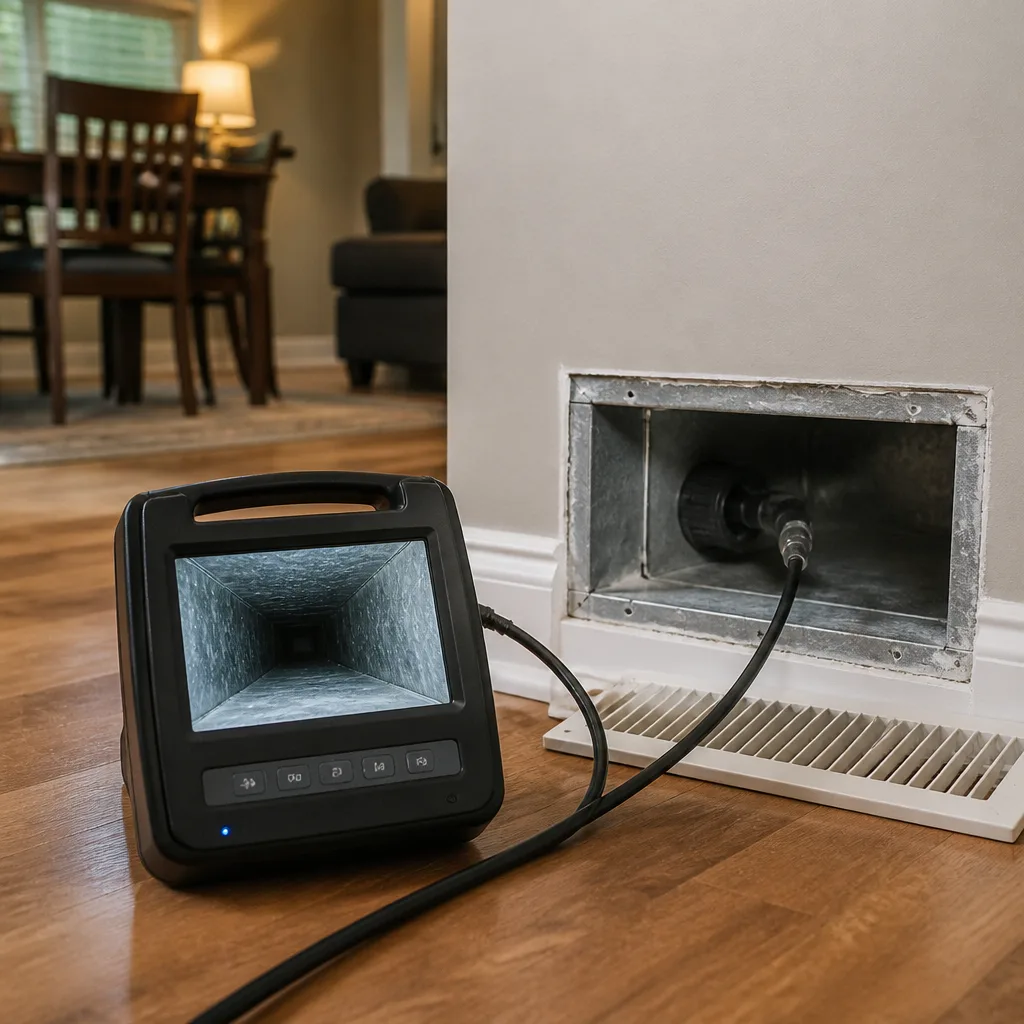 Camera inspection
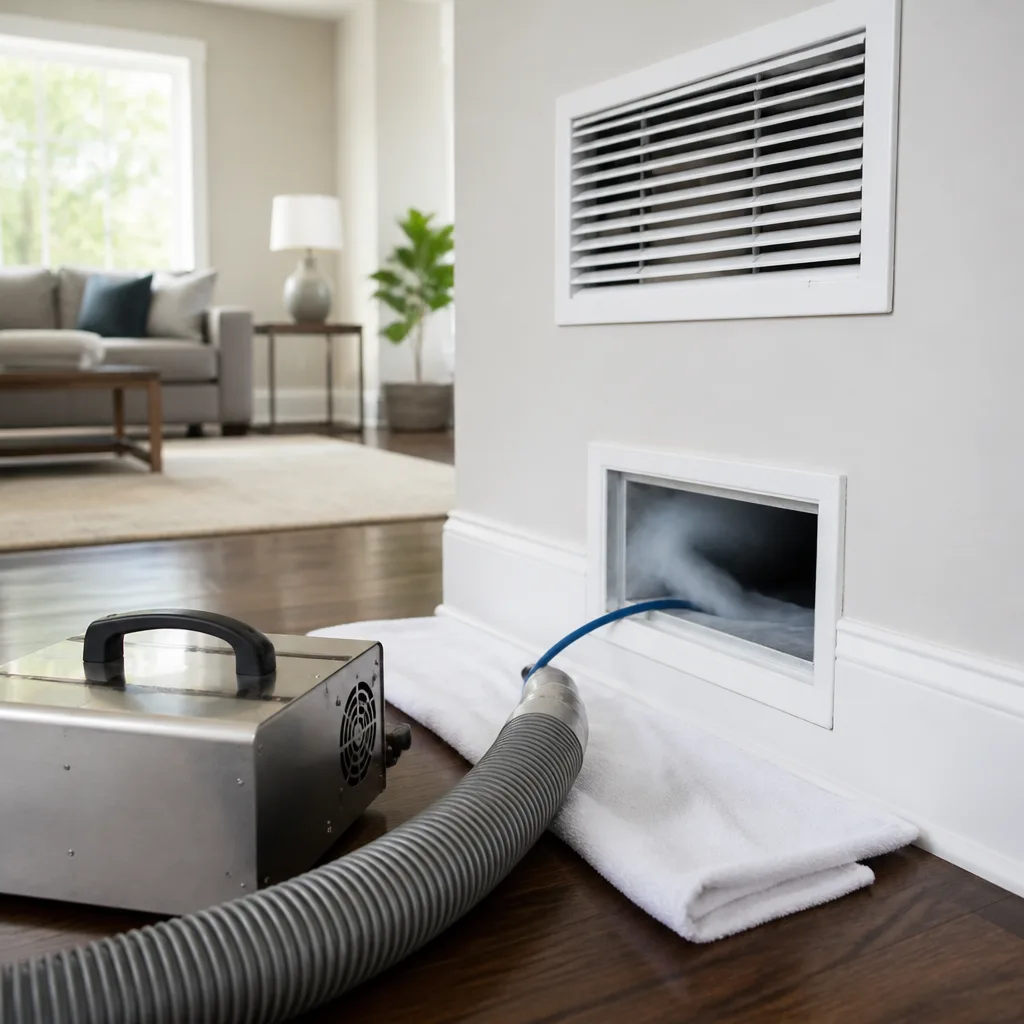 Sanitizing & deodorizing
Whole-system duct and dryer vent check with before-and-after photos - you see exactly what came out of your vents
That "$99 whole-house special" is a bait ad - the real number appears once they are in your hallway, or the "clean" is a shop-vac at the register. We photograph the inside of your ducts before and after instead.
Air Duct Cleaning Warning Signs: A Dana Point Homeowner’s Reference Guide
Visible dust on a register grille usually doesn’t mean your ducts are dangerously contaminated. It often means your filter is doing its job, catching particles before they recirculate back into the room. That single reframe matters, because most warning-sign lists are written to alarm you rather than explain anything. Knowing what a sign actually indicates is far more useful than knowing it exists. This guide walks through the symptoms Dana Point homeowners can observe directly, explains the mechanical cause behind each one, and shows you how to tell a cosmetic annoyance from a real system problem. By the end you’ll know which signals are worth acting on and which you can safely ignore.
Quick Answer
The warning signs that most reliably point to a genuine duct problem are musty odors that appear when the AC starts, uneven room temperatures that persist after balancing, rust staining around return grilles, and dust that returns within days of cleaning. Surface dust on a grille alone is usually a filter or housekeeping issue, not contamination inside the duct system. The signs matter most when two or three appear together, because that combination points to a cause the ductwork itself is responsible for.
Styles & brands we work with
- Whole-home duct cleaning
- Dryer vent cleaning
- Camera inspection
- Sanitizing & deodorizing
Table of Contents
- Surface Dust vs. System-Interior Contamination
- What Uneven Room Temperatures Actually Tell You
- Reading Odors: Musty, Chemical, and Burning Smells
- Why Allergy Symptoms Are a Weak Signal on Their Own
- The Sign Most Homeowners Miss: Rust Staining at Return Grilles
- Dryer Vent Warning Signs
- When You Probably Don’t Need Duct Cleaning
- How to Verify the Work Was Actually Done
Surface Dust vs. System-Interior Contamination
Most of what collects on a register grille is dust that never made it past the filter. It’s a cosmetic issue, and it’s often a sign your filtration is working rather than failing. The dust you should care about is the dust you can’t see from the floor: the film that builds on the inside walls of the supply trunk, the debris packed against a coil, or the growth that appears where condensation never fully dries. Those are the conditions a professional duct cleaning in Dana Point is actually equipped to address.
Telling the two apart comes down to pattern and persistence. Surface dust is even, light, and reappears on the same schedule as your housekeeping. Interior contamination leaves a different fingerprint:
- Dust returns to the same grille within days of wiping it down
- A dark film or shadow appears around the edges of a register rather than across the whole face
- Supply air feels weaker in some rooms than the grille itself suggests it should
- Visible debris sits on the return grille fins rather than the supply side
- Cleaning a grille leaves a stain you can’t wipe off
If you can wipe a grille clean and it stays clean for a week or two, the system is probably fine. If it looks the same three days later, the ductwork itself is releasing particles back into the room. That’s a mechanical condition, not a housekeeping one, and it’s the kind of thing that shows up clearly in a camera-assisted inspection before any cleaning begins. Here at our company we start every job by showing the homeowner what’s actually inside before we recommend anything.
The distinction matters because the wrong treatment makes things worse. A shop vacuum or a blow-and-go service that stirs contamination without capturing it just redistributes it through the house. A proper job uses rotary brush and vacuum extraction equipment, like air duct cleaning performed with the Rotobrush and Nikro systems commercial contractors rely on, so debris leaves the system rather than settling back into it.
What Uneven Room Temperatures Actually Tell You
A room that runs a few degrees warmer than the rest of the house isn’t automatically a duct problem, but it’s one of the most useful diagnostic clues when you narrow it down. Uneven temperatures usually trace back to one of four causes: duct leakage, blockage, a damper that’s closed or failed, or a blower issue. Each leaves a different signature, and you can often sort out which one you have before calling anyone.
- Check the damper first. Many homes have balancing dampers in the branch ducts near the main trunk. A partially closed or stuck damper explains a single consistently cool or warm room better than anything else.
- Compare the room to the return. If the room’s supply throws good air but the space still won’t hold temperature, the problem may be a return-path restriction rather than a supply leak.
- Look for leakage at joints. Disconnected or poorly sealed joints in the attic or crawl space bleed conditioned air before it ever reaches the room. Look for gaps at collars, elbows, and the trunk connections.
- Note whether the issue moves. A room that’s always cool points to a design or damper issue. A room that swings with the weather points to leakage.
- Rule out blockage. A collapsed flexible duct or a section crushed behind a cabinet blocks flow outright. That usually shows up as one room with almost no airflow rather than a mild variation.
The blower is the fourth possibility, and it’s the one you shouldn’t chase yourself. A weak or failing blower produces low airflow across the whole house, not just one room, so it rarely looks like a single-room temperature issue. But if every room feels under-supplied, the air handler is worth having checked.
Leakage is the most common culprit in homes here, partly because attic ducts in Dana Point do real work in the summer. When ductwork leaks in an unconditioned attic, you’re paying to cool the attic as well as the house. Sealing the leaks stops that loss at the source rather than masking the symptom with a bigger system. Duct repair and sealing is a separate service from cleaning, and the two are usually worth doing in the same visit. That’s part of what we cover in our broader HVAC cleaning service.
Reading Odors: Musty, Chemical, and Burning Smells
Odor is the most reliable warning sign in the whole list, and the type of odor tells you which part of the system to look at. A musty smell that arrives a few seconds after the AC kicks on is the classic sign of biological growth on a wet surface: the evaporator coil, the drain pan, or the damp interior of a duct run. The fan turns on, moves air across the growth, and carries the smell into the room. That delay between the fan starting and the smell arriving is the tell.
Stale or “closed-in” odors are different. They usually point to poor ventilation or to a return that’s pulling air from a space that shouldn’t be in the loop, like a crawl space or a garage. Those odors tend to build slowly rather than snap on with the fan. A quick comparison helps sort them out:
- Musty, arrives with the fan: biological growth on a wet surface; check the coil and drain pan.
- Stale, lingers regardless of the fan: ventilation issue or a return pulling from the wrong space.
- Chemical or solvent: something in the airstream that shouldn’t be there; worth investigating before running the system.
- Burning or hot-plastic: an electrical or mechanical problem, not a duct problem. Shut the system off and get it checked.
A burning smell is never a duct cleaning signal. It points to a component overheating, a failing motor, or a wiring issue, and those are electrical problems that need a technician, not a brush. The same caution applies to gas-adjacent smells. If you smell something that reminds you of gas, leave the area and call your utility or the fire department before doing anything else.
The musty case is the one that responds well to a proper clean-and-treat approach. Cleaning removes the growth and the debris that feeds it, and a Guardsman-grade sanitizing treatment follows the cleaning to address what’s left on the surfaces. Sanitizing before cleaning doesn’t work, because there’s nothing for the treatment to reach. Done in the right order, in our experience, it’s the difference between an odor that comes back next season and one that stays gone. If you notice a musty smell alongside the other signs in this guide, that’s when a documented clean pays for itself.
Why Allergy Symptoms Are a Weak Signal on Their Own
Increased allergy symptoms are the warning sign most often cited and the least diagnostic by itself. Hay fever, dust sensitivity, and seasonal allergies all produce the same symptoms, and the South Orange County climate keeps plenty of pollen in the air through long stretches of the year. A runny nose in April tells you very little about your ductwork. What makes the symptom meaningful is the pattern around it.
Here’s what to look for in combination. Any one of these on its own is weak. Two or three together start to make a case:
- Symptoms improve noticeably when you’re away from the house for a stretch, then return within a day of coming back.
- Symptoms are worse in the rooms served by the system’s weakest branch, or in the room closest to the return.
- Symptoms follow the AC season and ease when the system isn’t running.
- Household members with no known seasonal allergies start reporting irritation.
- Symptoms track with visible dust returning to the grilles, not with weather changes.
If the pattern matches, the ductwork is worth inspecting. If it doesn’t, a duct cleaning probably won’t change how you feel, and we’d rather tell you that than sell you a service that won’t help. Air quality problems sometimes have a different root cause than debris: insufficient filtration, no humidity control, or a system that’s pulling unfiltered air from the wrong place. Those are addressed with filtration and purification equipment rather than a cleaning, and the right recommendation depends on what an inspection actually finds.
When filtration is the issue, whole-home equipment from Honeywell and Aprilaire handles it at the system level rather than at a single register. That’s the kind of fix that keeps working after the cleaning crew leaves. Honest diagnosis comes first. Our technicians have up to 12 years of experience reading these patterns, and the first job is to figure out which problem you actually have.
The Sign Most Homeowners Miss: Rust Staining at Return Grilles
The sign Dana Point homeowners walk past most often is rust staining or visible oxidation around return grilles, particularly in rooms that take the afternoon sun. It’s easy to mistake for dirt, but rust and oxidation aren’t cosmetic. They point to moisture, and moisture in a duct system is a structural problem, not a surface one.
Any of these around a return grille deserves attention:
- Brown or orange staining on the drywall just past the grille frame
- Rust on the grille screws or the metal edge of the frame
- Peeling or bubbling paint near the opening
- A damp feel or darker patch on the surrounding wall
- White chalky deposits, which can indicate repeated wetting and drying
Moisture reaches a return grille from a short list of sources. Condensation on a cold duct run in a warm attic, a drain pan that’s overflowing slightly, a coil that isn’t draining properly, or a leak in the building envelope that lets humid air into a wall cavity. In Dana Point’s climate, condensation on attic ductwork is the more common of these, especially when ducts run through a hot attic without a vapor barrier. Warm humid air hits a cold surface, condenses, and the water sits there. The metal rusts and the drywall stains.
Cleaning alone doesn’t fix this. If there’s active moisture, cleaning the surface just exposes the same metal to the same condition, and the staining returns. The order matters: find and stop the moisture source, repair the duct or the drain, then clean and sanitize the affected run. Duct repair and sealing is often the correct first step, not the last. This is the reason our service menu covers the full lifecycle rather than cleaning alone. Skip the repair and you’ll be cleaning the same stain twice a year.
Dryer Vent Warning Signs
Dryer vent lint is the fire hazard homeowners think about least and should think about most. The National Fire Protection Association identifies lint buildup in dryer vents as a leading contributor to residential dryer fires. The warning signs are easy to check and worth checking twice a year.
- Clothes take longer than one cycle to dry, or a second cycle to finish
- The dryer body is hot to the touch on the top or back during a run
- There’s a burning smell when the dryer runs
- The outside vent flap doesn’t open strongly, or doesn’t open at all
- Lint accumulates around the dryer or behind it
- The vent run is long, has multiple elbows, or runs through a wall or roof
Any one of these is reason enough to look. Two or more is a reason to stop using it until it’s sorted. Dryer vent cleaning is a distinct service from duct cleaning, and many duct-only providers don’t offer it. It’s a real part of what we do because it addresses a different hazard with a different failure mode. A duct clean doesn’t touch your dryer vent, and a dryer vent clean doesn’t touch your ducts.
The inspection itself is quick. A technician runs a brush through the vent, pulls the lint, and confirms the full run is clear from the dryer connection to the exterior termination. If you’re already having the ducts cleaned, having the dryer vent done at the same time is worth considering, both because it’s the same visit and because it’s the risk that matters most. Our dryer vent cleaning covers exactly that run, from the appliance to the outside flap.
When You Probably Don’t Need Duct Cleaning
Not every dusty grille is a call to action. A large share of the homes we look at don’t need cleaning, and telling a homeowner that is part of the job. Knowing when to skip the service is as useful as knowing when to book it.
You probably don’t need duct cleaning if:
- No one in the house has changed their habits, nobody smokes indoors, and there are no pets adding to the load
- You’ve recently moved in and the prior owner had the system serviced with records to show it
- The dust pattern on your grilles is even, light, and clears with a wipe
- The system was cleaned recently and there’s no change in how it performs
- Your only symptom is that a grille looks dusty from the floor
The bigger mistake is booking a cleaning without an inspection. A company that quotes a price over the phone without seeing the system is telling you what it costs, not what you need. In our experience the two most common reasons for a repeat visit are a job that skipped the inspection and a job that skipped the sealing afterward. Cleaning a leaking duct system and leaving the leaks unsealed just lets new contamination in.
If you rent, the decision usually belongs to the property owner. If you manage multiple units in Dana Point, a documented inspection per unit and a written report on condition is worth more than a blanket cleaning contract. And if your system was installed recently, check with the installer before doing anything: dirt in a new system often points to a construction-debris issue that’s the installer’s to resolve.
How to Verify the Work Was Actually Done
The biggest hesitation people have about duct cleaning is the industry’s bait-and-switch reputation: a low coupon price that becomes a far larger invoice once the technician is on site. That’s a fair worry. The answer is documentation and a price agreed before work starts, not a better coupon.
When a job is done properly, you should be able to see proof of it:
- Before-and-after photos of your own ducts. Not stock images from a brochure. Ask to see the inside of the return trunk and at least one supply branch, taken with a camera, before and after the clean.
- A written estimate before the work starts. One flat price per system, not a per-vent price that climbs as more vents are counted.
- An itemized scope. Cleaning, sealing, sanitizing, and the dryer vent are separate line items. You should know which ones you’re buying and which you’re not.
- A site inspection before the quote. The system gets looked at before the number is written, so the price reflects what’s really there.
- Equipment you can identify. Rotary brush and vacuum extraction systems look and sound different from a shop vac. Rotobrush and Nikro equipment is the standard, and seeing it on site is a reasonable expectation.
If a quote arrives without an inspection, or a technician won’t show you the before-and-after, that tells you what the work is worth to them. Ask the questions. A professional answers them without flinching. For a deeper look at what a documented job looks like, we walk through the full process on our Dana Point Air Duct Cleaning Pros page.
Common Mistakes to Avoid
- Booking a cleaning before an inspection. A price quoted without anyone looking at the system is a guess. The inspection determines whether you need cleaning, sealing, or neither.
- Treating a dusty grille as proof of contamination. Wipe it, wait a week, and look again. If it’s still dusty, then look deeper.
- Skipping the sealing step. Cleaning a leaking duct system without sealing lets the contamination return. If the joints are open, fix them.
- Assuming a burning smell is a duct problem. It isn’t. A burning smell points to an electrical or mechanical issue, and it needs a technician, not a brush.
- Cleaning once and assuming forever. Duct condition changes with the house. If you notice signs returning after a job, something downstream is feeding them.
- Using a shop vac or DIY brush kit to “save money.” A shop vac stirs up contamination without capturing it, and it can push debris deeper into the system. The right equipment captures it, not just disturbs it.
- Forgetting the dryer vent. A duct cleaning does nothing for dryer vent lint. That’s a separate run with a separate risk, and it needs its own service.
See the difference
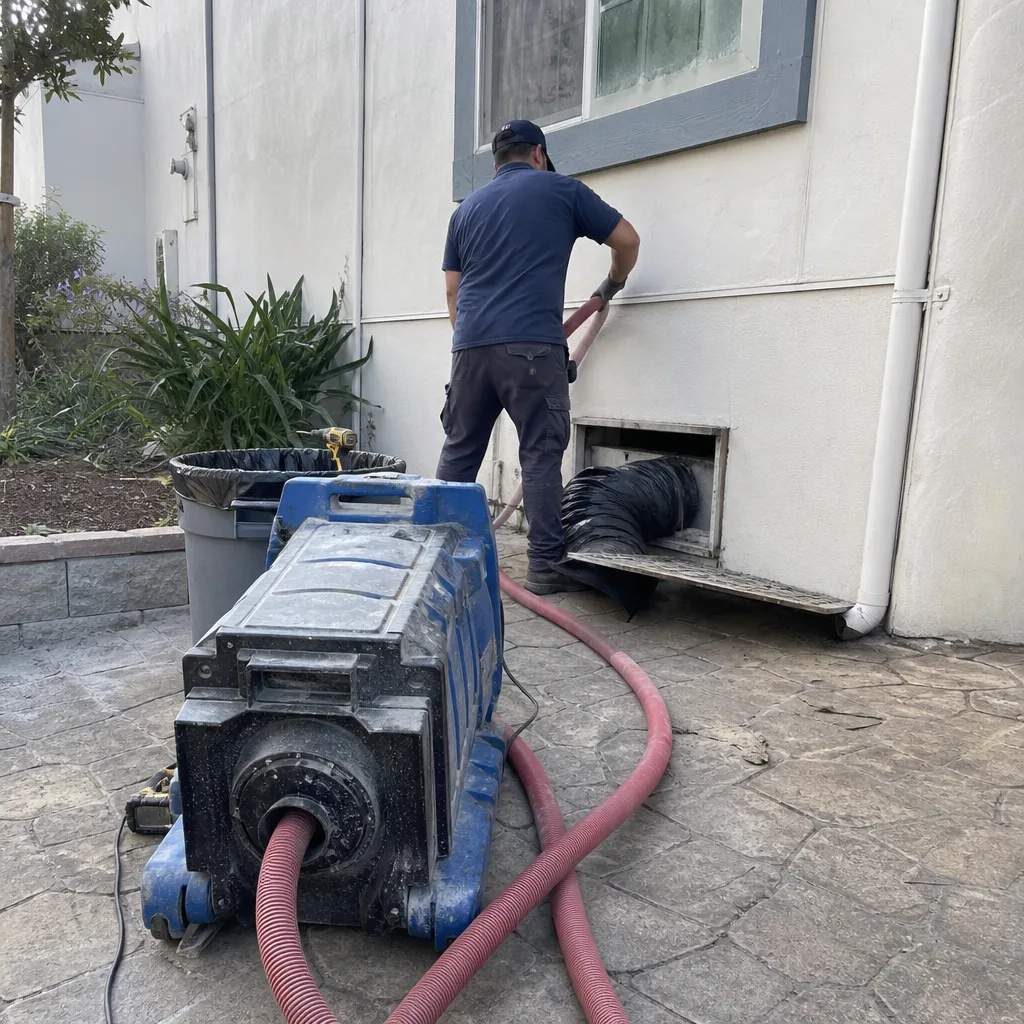 Before
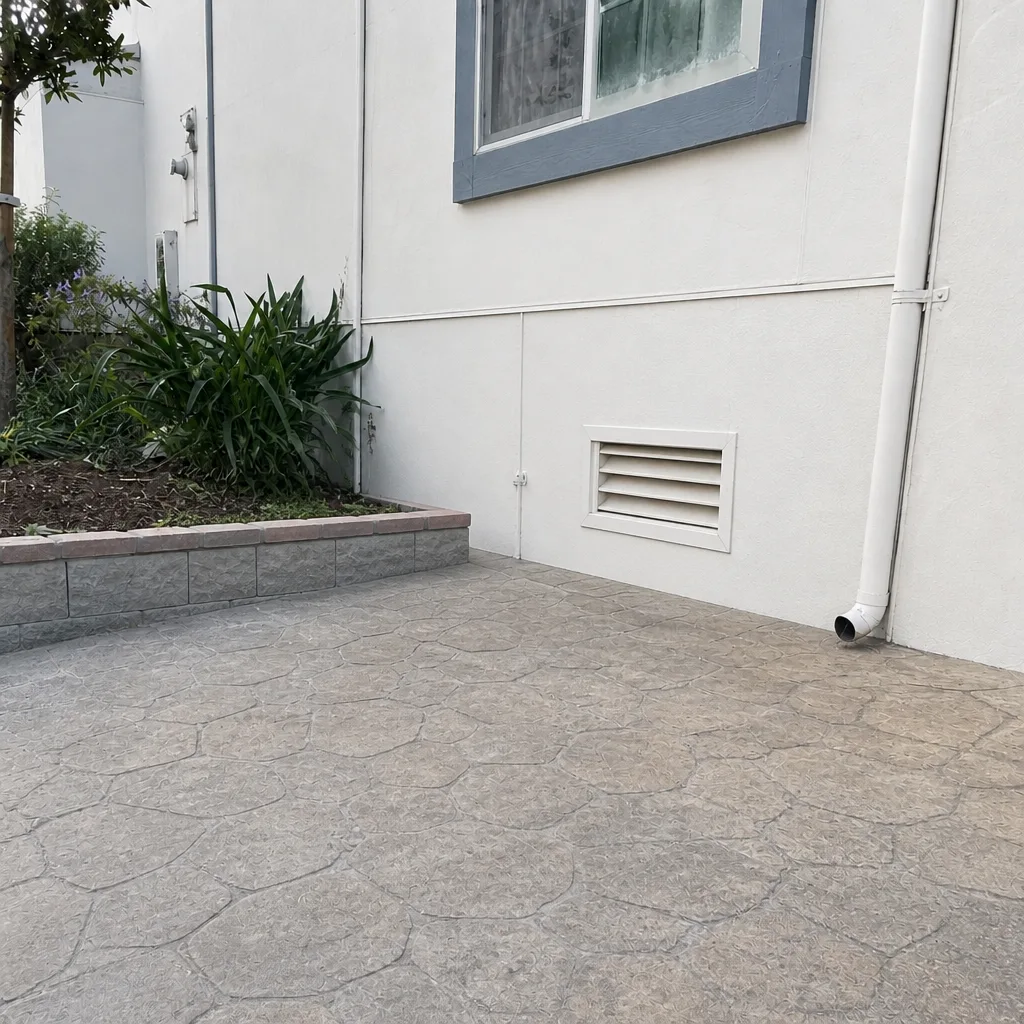 After
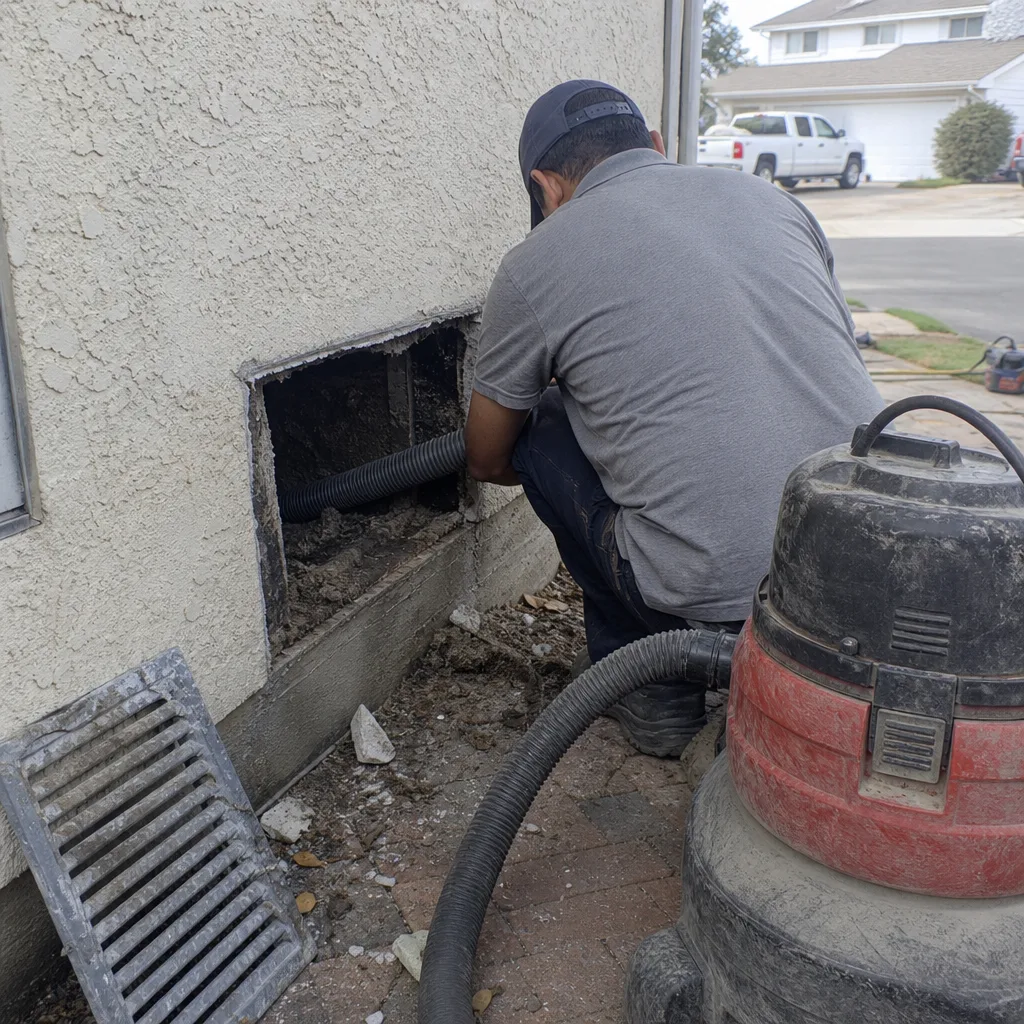 Before
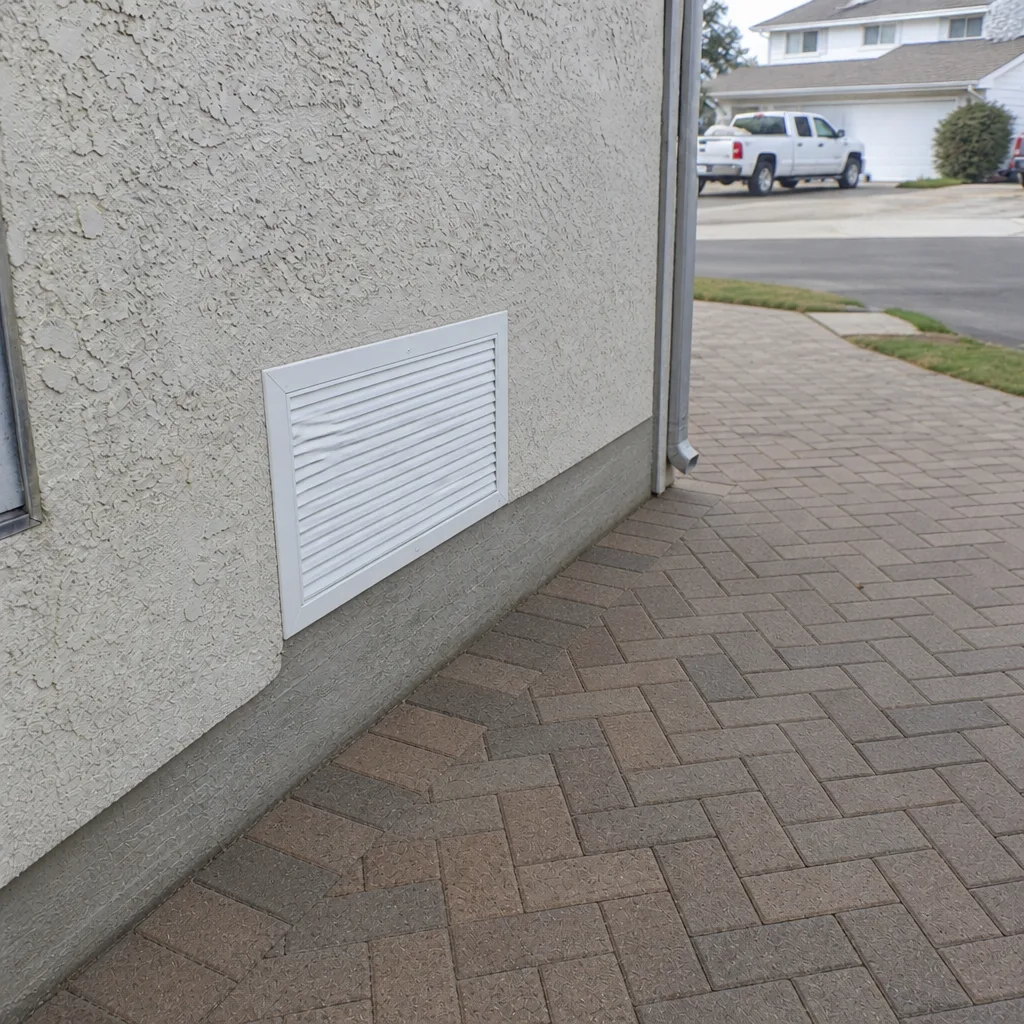 After
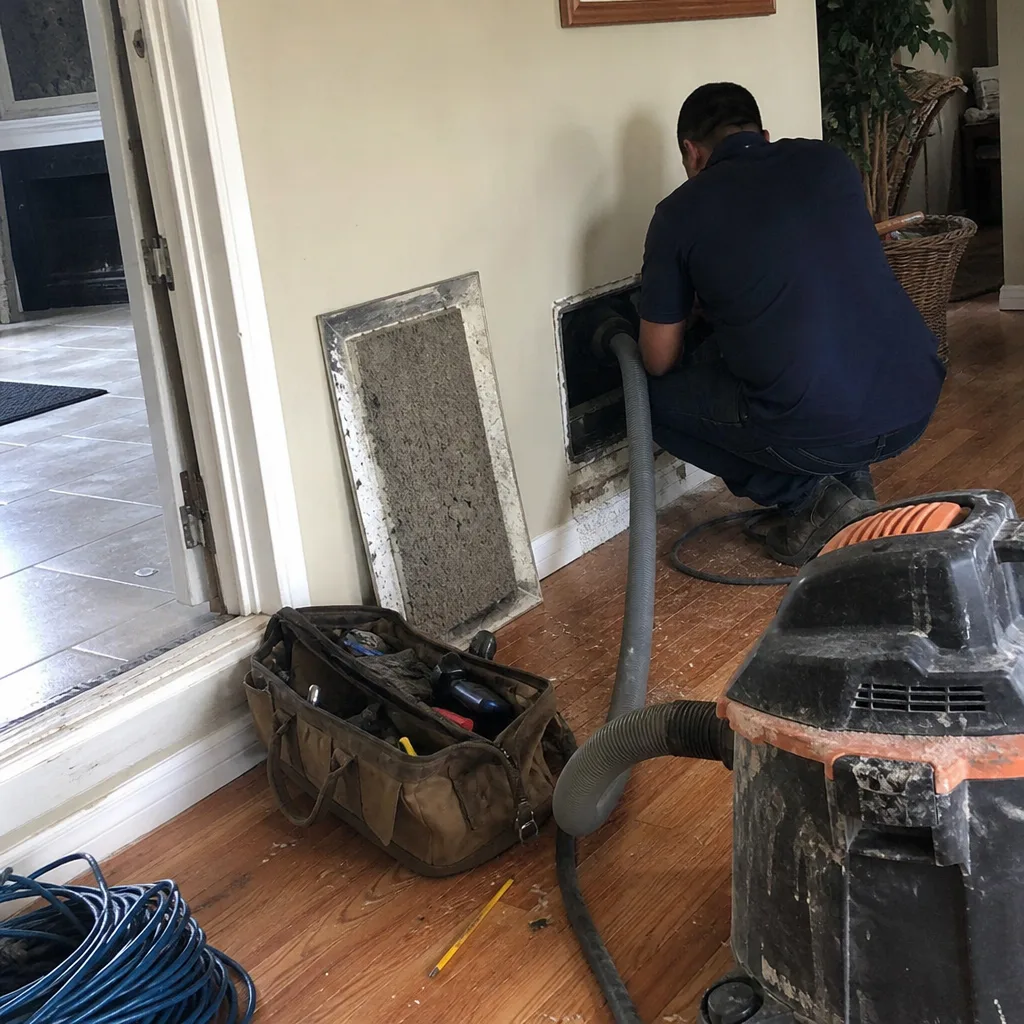 Before
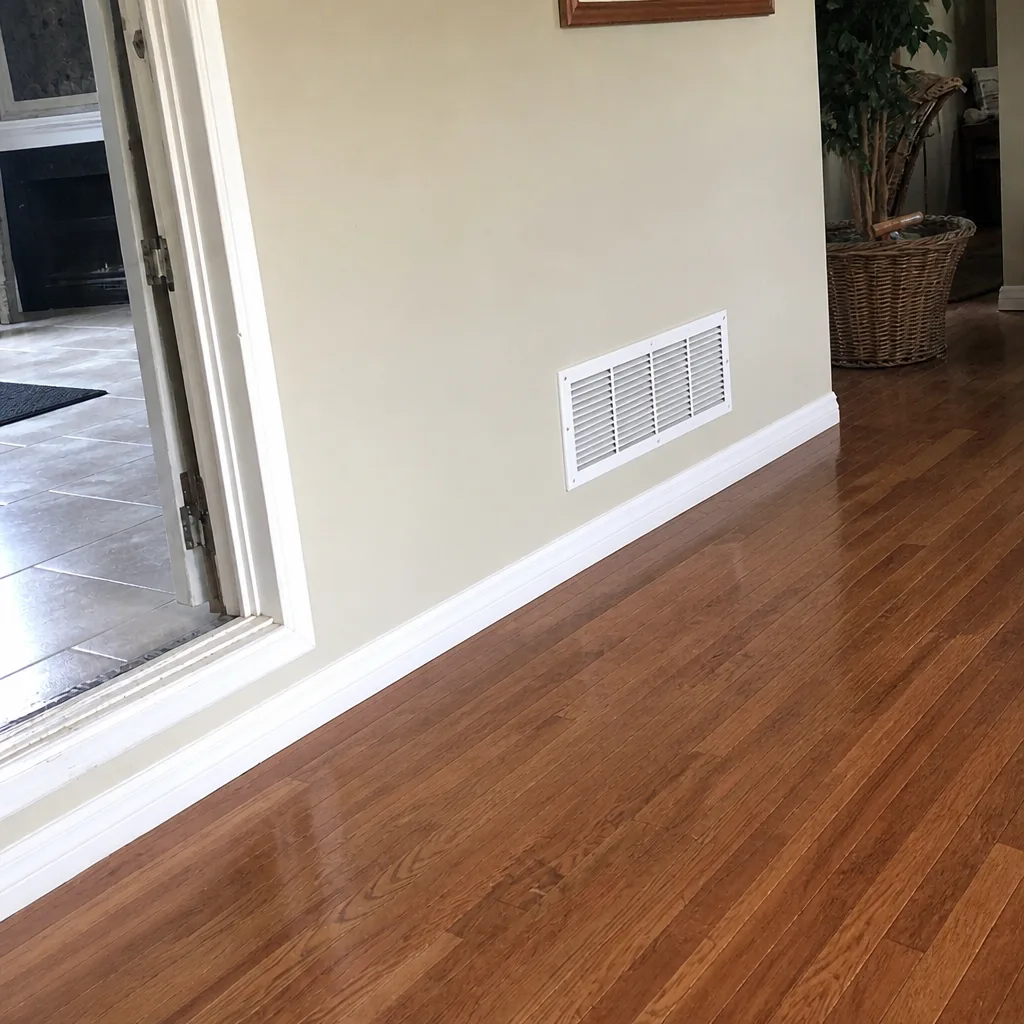 After
When to Call a Professional
Some signs are a wait-and-see situation. Some are a call today situation. Call a professional when you find rust or oxidation staining at a return grille, when a musty smell arrives with the fan and doesn’t go away, when dust returns to a clean grille within days, or when a dryer vent shows two or more of the warning signs above. Call right away if you smell burning or hot plastic during a heating run: shut the system off first, then call. If you’re not sure whether you qualify, the inspection is the deciding step. Dana Point Air Duct Cleaning Pros offers free estimates in Dana Point. Call (855) 629-3179. We answer 24/7. Fast dispatch from 7am to 7pm, Sunday through Friday.
Frequently Asked Questions
Most homes don’t need a schedule at all: you clean when the signs justify it, not on a calendar. A reasonable default is to inspect every few years, and to clean when there’s a documented reason, such as after a renovation, after a pet is added to the house, or when signs from this guide start stacking up. If you’ve recently moved in, one inspection establishes a baseline, and then you can wait. Dana Point Air Duct Cleaning Pros offers free estimates, so the inspection doesn’t commit you to a service. Call (855) 629-3179. We answer 24/7.
Pricing depends on the system: the number of supply and return runs, whether duct repair and sealing is needed, and whether sanitizing or dryer vent cleaning is part of the job. The company sets one flat price per system by written estimate, after the inspection, and that estimate sets the final price. That’s a different model from a coupon price that grows once the technician is on site. Call (855) 629-3179. We answer 24/7. Fast dispatch from 7am to 7pm, Sunday through Friday, and the estimate is free.
A low quote usually means the scope is low: a surface pass with a shop vac, no inspection, no sealing, and no documentation. What’s missing is often the part that actually makes a difference. Ask any company what their price includes, ask to see the before-and-after photos, and ask whether the estimate is a flat per-system price or a per-vent charge. The answers sort the low quote from the low price.
You should see before-and-after photos of your own ducts, not stock images, and you should know the scope before the work starts. A documented job includes a written estimate, an itemized list of what’s being cleaned, sealed, and sanitized, and evidence taken on site. If you can’t tell what was done after the team leaves, the job wasn’t documented properly.
No. In most cases it means the filter is doing its job and catching particles before they go back into the room. The meaningful sign is dust that returns within days of wiping the grille clean. If you can wipe it and it stays clean for a week or two, the problem is surface level. If it looks the same three days later, the interior of the system is worth inspecting.
Usually yes. Construction generates a lot of fine dust, and drywall dust in particular settles into the duct system and can coat the coil. The inspection should happen before the system runs on a full schedule, and cleaning should follow after the project is finished. Sealing should follow the cleaning so the next round of dust stays out. If you’re planning a remodel in Dana Point, book the inspection at the end of the project, not the start.
The Bottom Line
The most useful thing you can do with this guide is stop treating every dusty grille as a warning. Most dust is cosmetic. The signs that actually matter are rust staining at a return, musty odor arriving with the fan, dust returning to a clean grille within days, and dryer vent symptoms. When those show up together, they point to a cause in the ductwork itself. Cleaning is step one, but repair, sealing, and sanitizing are often the parts that make the fix last. Get an inspection before you get a quote. Know what’s inside before you decide.
Get a Free Estimate
If the signs stack up, the next step is simple. dryer vent cleaning and the full duct system can be inspected in one visit, with a written estimate before any work starts. Call (855) 629-3179 for a free estimate. We answer 24/7. Fast dispatch from 7am to 7pm, Sunday through Friday. Our technicians have up to 12 years of experience, and they’ll show you what’s inside before recommending anything. The equipment is the same professional-grade rotary brush and vacuum extraction equipment commercial contractors rely on, and the before-and-after photos are yours to keep.
Written by the team at Dana Point Air Duct Cleaning Pros.