
Last updated November 24, 2026
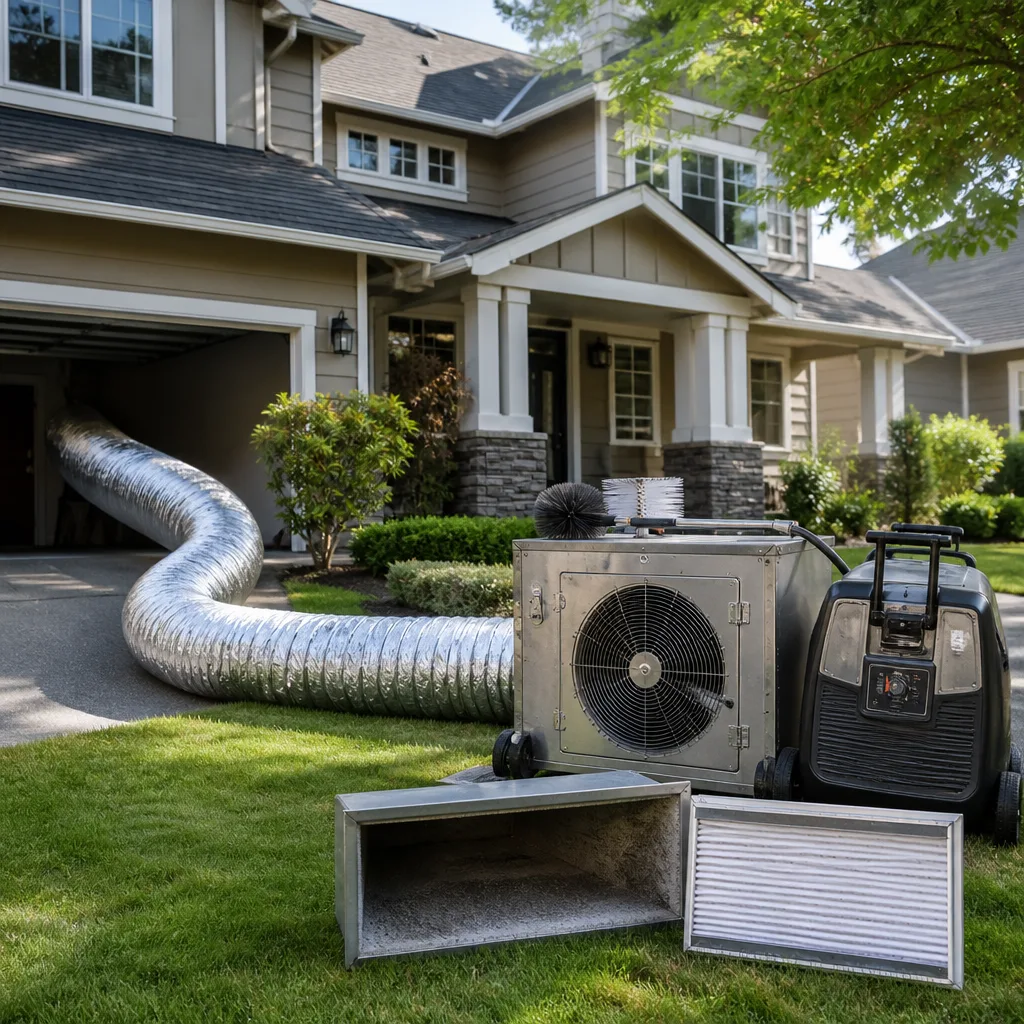 Whole-home duct cleaning
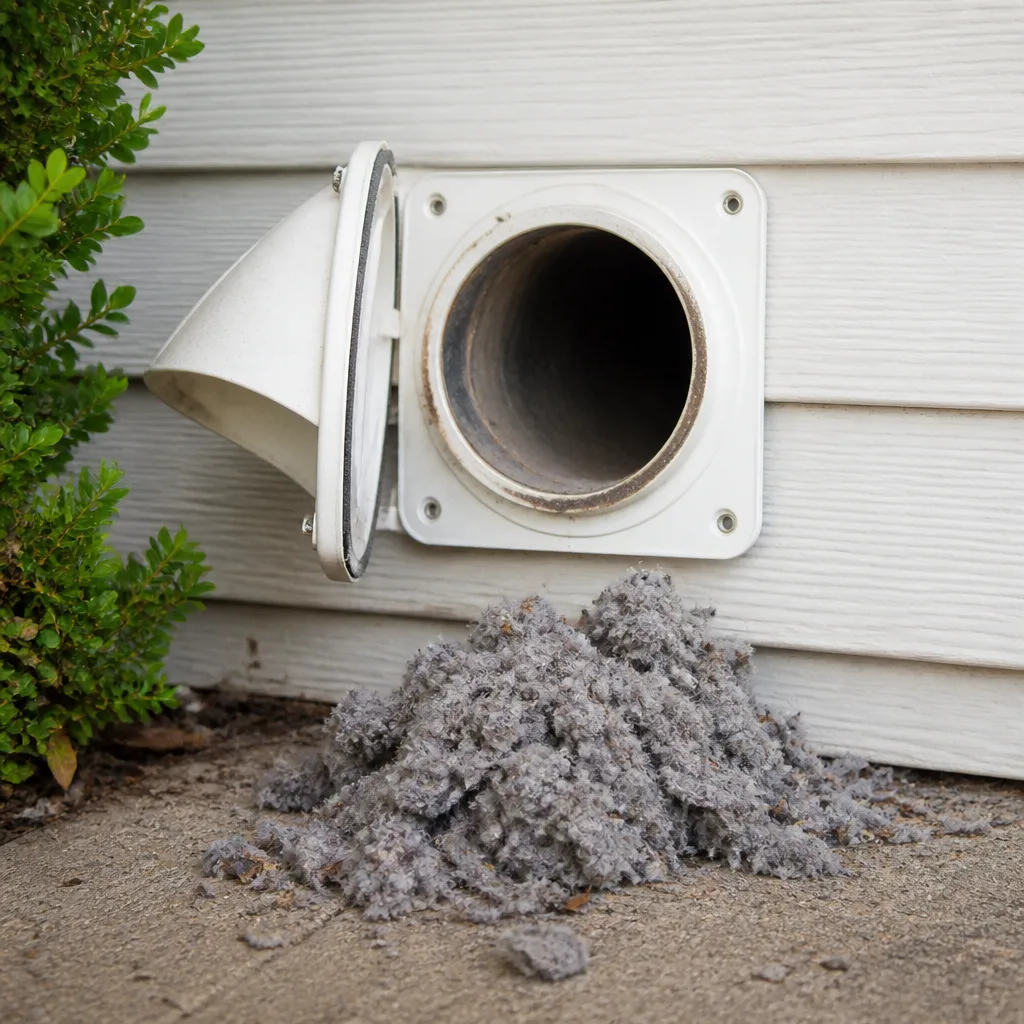 Dryer vent cleaning
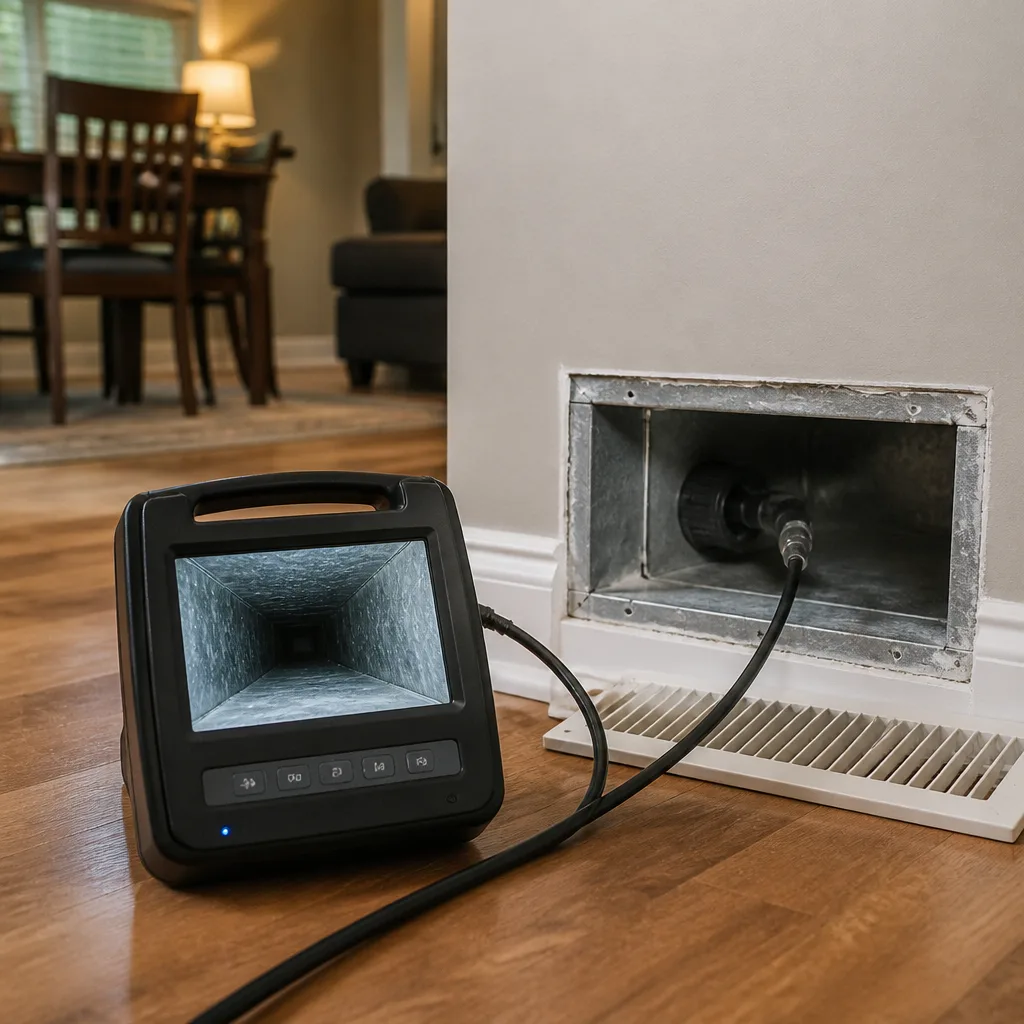 Camera inspection
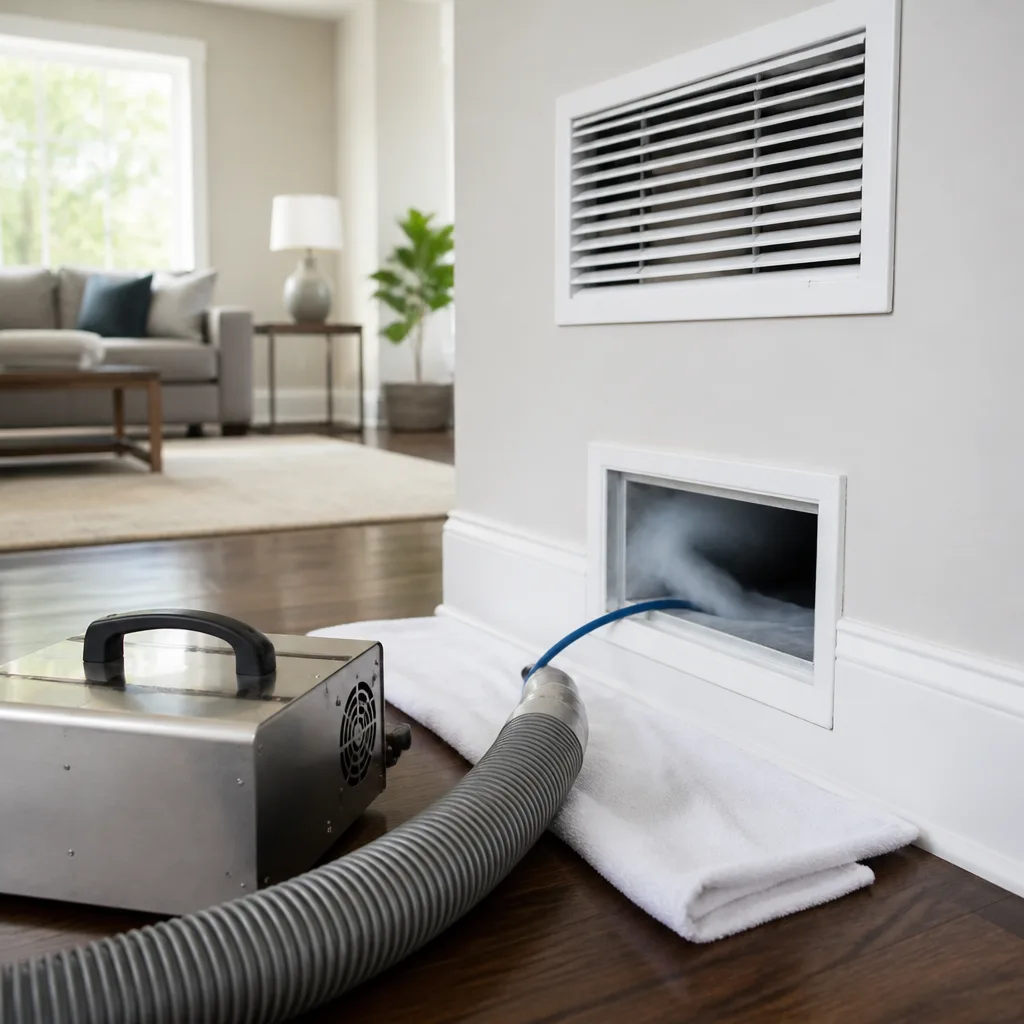 Sanitizing & deodorizing
Whole-system duct and dryer vent check with before-and-after photos - you see exactly what came out of your vents
That "$99 whole-house special" is a bait ad - the real number appears once they are in your hallway, or the "clean" is a shop-vac at the register. We photograph the inside of your ducts before and after instead.
How to Hire an Air Duct Cleaning Contractor in Dana Point: A Step-by-Step Guide
In California, anyone with a van and a shop vac can legally advertise air duct cleaning. There’s no mandatory state license for the trade, which means the entire vetting process lands on you, the homeowner. Most hiring guides stop at “get three quotes and check references.” That advice won’t protect you, because the contractors worth avoiding can produce three quotes and a list of happy customers without breaking a sweat. What actually separates a real duct cleaning from a worthless one is equipment, process, and documentation. This guide walks through the exact questions to ask, the answers that should reassure you, and the red flags that should end the conversation. You’ll leave knowing how to compare bids on scope rather than price and how to confirm the work was truly done in your Dana Point home.
Quick Answer
To hire an air duct cleaning contractor in Dana Point, verify the company’s equipment (a rotary brush system plus a vacuum unit rated for real negative pressure and HEPA filtration), confirm current NADCA membership on the NADCA website, and demand a written scope of work before booking. Compare bids on what’s actually included, not the headline price, and ask what post-job documentation you’ll receive. A legitimate contractor will answer all of this without hesitation.
Styles & brands we work with
- Whole-home duct cleaning
- Dryer vent cleaning
- Camera inspection
- Sanitizing & deodorizing
Table of Contents
- Why California Has No Duct Cleaning License (and What That Means for You)
- The Equipment Questions That Separate Real Contractors from Van-and-Vacuum Operators
- Why NADCA Membership Matters and How to Verify It in 60 Seconds
- Red Flags in a Duct Cleaning Quote
- How to Compare Two Bids Using Scope of Work, Not Price
- What Post-Job Documentation Should Include
- The Step-by-Step Contractor Interview
- What Dana Point Homes Specifically Need to Know
Why California Has No Duct Cleaning License (and What That Means for You)
California regulates contractors broadly through the Contractors State License Board, but duct cleaning itself has no dedicated license class. A general contractor or an HVAC contractor can advertise duct cleaning, and so can a business with no trade credentials at all. When you hire a plumber or an electrician, the license number is the first thing you check. With duct cleaning, there’s no license number to check, and that changes the whole vetting process.
What fills the gap is voluntary credentialing and equipment investment. A contractor who has spent real money on a professional rotary brush and vacuum system has skin in the game. A contractor who has joined a trade association like NADCA has submitted to a code of standards. Neither of those is a legal requirement, which is precisely why they’re useful signals: they tell you the contractor chose to be accountable when the law didn’t force it.
For Dana Point homeowners, this matters because the local market is small enough that word of mouth travels, but not so small that a bad operator can’t slip in and out on a busy week. Hillside homes, older ranch properties near the harbor, and newer builds up in Monarch Beach all have different duct layouts, and the difference in how a job is scoped reflects the contractor’s real experience. A company that shows up without asking about your system type has likely never cleaned a duct run like yours.
The practical takeaway is this: absent a license requirement, you have to lean on equipment, trade membership, and written documentation. The rest of this guide shows you how to use those three things.
The Equipment Questions That Separate Real Contractors from Van-and-Vacuum Operators
This is the section most hiring guides skip, and it’s the one that matters most. Duct cleaning works on two principles: you have to agitate the debris loose, and you have to pull it out under negative pressure so it goes into a containment unit rather than into your living room. A contractor using a shop vac and a rag accomplishes neither. Here are the specific questions to ask, and what an acceptable answer sounds like.
1. What brush system do you use?
You want to hear about a rotary brush system with flexible whip lines that can navigate the full run of ductwork, including elbows. Push-pull brushes and handheld brushes only reach what a person can physically extend. A professional system like Rotobrush or Nikro uses motorized rotary action that scrubs the full interior of the duct. If the contractor can’t name the system or describes something hand-operated, that’s a sign the service won’t actually clean the duct walls.
2. What’s the negative pressure rating on your vacuum unit?
Negative pressure is measured in cubic feet per minute, or CFM, and it’s the engine of the whole job. A credible contractor will know their unit’s rating without digging out a manual. A vague answer like “it’s a big one” tells you the contractor either doesn’t know or doesn’t want you to compare. You don’t need to memorize a target number; you just need to hear a technical answer that matches the equipment they described.
3. Does the extraction unit use HEPA filtration?
HEPA filtration on the vacuum means the fine particles pulled out of your ducts are trapped, not exhausted back into the room. This matters especially in Dana Point homes where dust and pollen from nearby open space and landscaping drift indoors and get captured in the return air. A contractor who doesn’t know whether the unit is HEPA-rated is not managing what comes out the exhaust.
4. How do you handle containment?
Good contractors set up negative-air containment during the job, especially in occupied homes. This is where equipment platforms like Abatement Technologies negative-air units come in. Ask the contractor to describe how they keep dust from migrating into other rooms during the service. If there’s no answer, expect to be cleaning up afterward.
5. Do you inspect before you quote?
A real contractor wants to see the system before quoting a whole-house job. A phone estimate for a full duct cleaning without an inspection is a guess. The inspection is also your chance to ask what they found and what they recommend, which is the next part of the process.
Why NADCA Membership Matters and How to Verify It in 60 Seconds
NADCA, the National Air Duct Cleaners Association, isn’t a licensing body, but it publishes a written standard for how duct cleaning should be performed and holds members to it. Membership is voluntary. That’s what makes it useful: a contractor who joined has publicly committed to an assessment, cleaning, and verification methodology rather than a blow-and-go routine. It’s not a guarantee of a perfect job, but it’s a meaningful baseline.
Verification takes under a minute. Here’s the process:
- Open the NADCA website’s contractor directory in your browser.
- Enter the company name or the local ZIP code for Dana Point.
- Confirm the company appears as a current member in good standing, not a lapsed listing.
- Screenshot the result and compare it to the company name on the quote.
If a contractor claims membership but doesn’t appear in the directory, treat that as a red flag. A lapsed listing isn’t dishonest necessarily, but it means the accountability you were counting on no longer applies. Ask when they last renewed.
Membership matters most in a market where licensing doesn’t exist. In Dana Point, where the trades are small and word of mouth carries weight, a NADCA listing is the closest thing to a public credential you can verify from your kitchen table. Pair it with the equipment questions above and you’ve covered the two most important signals in about ten minutes.
Red Flags in a Duct Cleaning Quote
Some red flags are obvious. Most are subtle, dressed up as a good deal. Here are the ones we see most often when homeowners ask us to inspect a bad job after the fact.
Unusually low whole-house pricing
Whole-house duct cleaning takes real equipment, real time, and real setup. A quote that’s dramatically below the rest isn’t a bargain; it’s a different service. The contractor is probably running a shop vac through a couple of accessible vents and calling it done, or the low price is bait for add-ons once the technician is in the door. If the number is dramatically lower than everyone else, ask what the quote actually covers. Vents only? No brush agitation? No containment? Those answers matter more than the price.
No written scope of work
A real contractor provides a written scope listing what will be cleaned, how many returns and supplies, what equipment will be used, and whether any repair or sealing work is included. A contractor who won’t put that in writing before booking is asking you to trust a verbal promise. Get the scope in writing. This is the single most protective step in the process.
Pressure to add mold treatment before inspection
Mold remediation is a separate scope of work, and reputable contractors don’t sell it as an add-on before anyone has looked at the ducts. If a technician arrives and immediately recommends a mold treatment without a documented inspection showing microbial growth, you’re being upsold. Ask for the inspection documentation. Ask what they found and where. A contractor with a real finding can point to it.
Multiple add-ons in a single visit
One quote that suddenly includes sanitizing, sealing, dryer vent work, and a UV light after a single visit is a pressure sales pattern. Legitimate contractors recommend what the system needs based on inspection, not what fits on one invoice. Ask which recommendations are essential and which are optional.
Refusal to provide post-job documentation
Before-and-after photos, an inspection summary, and a service report are standard for a professional job. If a contractor hedges on bringing photos or writing a report, that’s the flag. You should be able to see what was cleaned before it was cleaned.
How to Compare Two Bids Using Scope of Work, Not Price
Homeowners compare contractor quotes by staring at the bottom line. That’s the wrong variable. Two bids for “air duct cleaning” can describe entirely different jobs. One might cover a full rotary brush clean of every supply and return with containment and documentation; the other might cover a truck-mounted vacuum pass and nothing else. Comparing their dollar figures is like comparing a brake pad replacement to a full brake job.
Use this structure when comparing:
- What’s being cleaned: Every supply and return? Just the accessible vents? Dryer vent included or separate?
- What equipment is used: Rotary brush system, negative pressure unit, HEPA filtration, containment setup. Get the specifics in each bid.
- What repair or sealing is included: Disconnected joints and compromised seals are common in older systems. If the bid doesn’t address this, ask.
- What documentation is provided: Before-and-after photos, service report, and post-clean inspection.
- What’s explicitly excluded: Mold remediation, duct replacement, and filter upgrades may be excluded. Know what you’re not getting.
Once the scopes are lined up next to each other, the price comparison becomes meaningful. Bid A at a higher price that includes brush agitation, containment, and documentation is often a better value than Bid B at half the price with none of those elements. Price isn’t the problem; incomparable price is the problem.
If you’re still unsure, ask each contractor to walk you through what a typical job looks like in your specific home. The bid that comes back with a specific, technical answer is the one you want. The bid that comes back with a sales pitch is the one to skip.
What Post-Job Documentation Should Include
Documentation is where the gray-market contractor loses you. A legitimate contractor should be able to hand you a record of the job that you could show to another contractor, to a home inspector, or to a future buyer. Request this in writing before work begins, so you know what to expect. Here’s what it should include:
- Before-and-after photos of representative supply and return ducts, taken at the same angle so the comparison is real.
- An inspection summary noting what was found (dust load, debris type, disconnected joints, seal failures) and what was done about each finding.
- Equipment used by name and category (rotary brush platform, vacuum unit, containment equipment) so the record reflects the process, not just the date.
- Findings that need follow-up such as cracks in duct board, compromised seams, or a return run that should be resealed.
- Recommendations for filters or IAQ products if the inspection supports them, including what’s already installed.
Ask before the job: “Will I receive before-and-after photos and a written service report?” The contractor who says yes without hesitation and describes what’s in the report is the contractor to trust. The one who says “we can send a receipt” is telling you what the whole job is worth.
This is also the point to discuss sanitizing. If a contractor is recommending an antimicrobial treatment, ask what product is being used and why. Guardsman-grade sanitizing treatments exist for post-cleaning microbial protection, but the recommendation should follow an inspection and be documented on the service report, not tossed in as an upsell.
The Step-by-Step Contractor Interview
Here’s the sequence. Have it open when you call, so you don’t lose track of what to ask. Most of the call takes under fifteen minutes.
Step 1: Confirm what the company actually does
Ask whether they do duct cleaning in-house or subcontract it. Ask whether they also handle repair, sealing, and dryer vent service, or only cleaning. A contractor who covers the full system is equipped to recommend the right fix, not just the cleanest service.
Step 2: Ask the equipment questions
Brush system type. Negative pressure rating. HEPA filtration. Containment setup. Walk through the questions in the section above. Listen for specific answers, not adjectives.
Step 3: Verify NADCA membership
Ask the company name they’re listed under, then check the directory while they’re on the phone. If they’re not listed, ask why. Some good contractors aren’t NADCA members; that’s fine, but you should hear a clear reason.
Step 4: Request a written scope of work
Ask for the scope by email before booking. Read it against the scope items in the section above. If they won’t provide one, that’s your answer.
Step 5: Ask about inspection
Ask if they’ll inspect the system before quoting. Ask what the inspection covers. This is also where you ask about the physical layout of your home: if you have an older system, ask if they’ve seen similar setups in Dana Point. If your home is multi-story or has hard-to-reach attic runs, ask how they’ll access them.
Step 6: Confirm documentation and sanitizing policy
Before-and-after photos, service report, and a documented inspection summary. Also confirm the process for recommending add-ons: they should follow the inspection with documentation, not precede it.
Step 7: Ask about repair and sealing
If your HVAC system has been running on partially disconnected ducts, the fix isn’t more cleaning. Ask what the contractor does to inspect for and address seal failures, disconnected joints, and compromised insulation. Cleaning is step one. Repair and sealing often come next.
If you’d rather skip the interview and go straight to a vetted contractor, Dana Point Air Duct Cleaning Pros works with all of the above and provides free estimates. The questions in this guide are the same ones we ask our own technicians to answer before a job starts.
What Dana Point Homes Specifically Need to Know
Dana Point’s building stock spans a lot of different duct systems. Older ranch homes near the harbor often have flexible or insulated duct runs with aging seams; hillside homes in the Lantern District can have long runs with multiple elbows that hand-held brushes can’t reach; newer builds around Monarch Beach and up toward the Headlands tend to have tighter duct systems with more returns. The difference matters when you’re comparing contractors, because a company that can’t describe what those layouts require hasn’t worked in them.
There’s also a climate consideration. The mild coastal climate here means the HVAC system doesn’t run hard year-round, which means dust and debris in the ducts has time to settle and accumulate. A light heating and cooling load doesn’t mean clean ducts; it means the debris has more time to grow microbial activity in any moisture that does get inside. That’s one reason a documented before-and-after clean beats a quick pass, and one reason we recommend looking closely at filtration. Honeywell and Aprilaire products are the two platforms worth discussing with your contractor if the inspection shows that the current filter setup isn’t keeping up.
Consider the timing of a clean. If you’re about to sell, have recently renovated, or noticed that dust is settling on surfaces in the days after a routine HVAC cycle, those are all signals the system is compromised. So is a dryer that’s taking longer to dry clothes. The dryer vent cleaning side of the service is often overlooked because it’s not part of the duct system. It should be checked on the same visits for lint buildup in the vent line, which is a fire hazard. If a contractor’s quote doesn’t mention dryer vent service as part of the routine, ask about it separately.
Air duct cleaning and HVAC cleaning aren’t the same job
These get used interchangeably, but they’re different scopes. Duct cleaning handles the ductwork itself: supplies, returns, and trunk lines. HVAC cleaning covers the air handler, evaporator coil, blower, and other components inside the equipment. A compromised system often needs both. If a contractor only offers duct cleaning, ask who handles the air handler side. If they don’t know, that’s a sign the diagnosis was shallow.
Here’s the version most homeowners don’t hear: a duct cleaning without cleaning the air handler is like washing the pipes but leaving the pump. Dust comes out of the coil and back into the duct run. If you’re paying for a clean, ask what parts of the system are actually opened up and brushed.
Common Mistakes to Avoid
- Hiring on price alone. The lowest quote is usually the smallest scope. Compare what’s included in the written scope, not the bottom line, and check the equipment questions against each bid.
- Booking without a written scope of work. A verbal promise of “full duct cleaning” isn’t a scope. Any contractor who won’t put the details in writing is telling you something.
- Skipping the NADCA verification. Checking the directory takes under a minute. Skipping it means relying only on the contractor’s word about a credential you can verify directly.
- Accepting mold treatment on the first visit without documentation. Mold remediation is a separate scope with real inspection requirements. If a technician recommends it before anyone has documented microbial growth, ask for the inspection report.
- Not asking about dryer vent service. Lint buildup in the dryer vent line is one of the leading causes of residential fires, and many duct-only contractors don’t touch it. Make sure the scope includes it, or book it separately.
- Overlooking the air handler and coil. Duct cleaning alone doesn’t fix a dirty coil. Ask what the contractor does about the equipment side of the system before you book the duct side.
- Not asking for post-job documentation. If the contractor doesn’t bring a before-and-after photo set and a written report, you have no way to verify what was done. Ask before, not after.
- Assuming same-day service means same-day care. A quick scheduling promise is not the same thing as a documented clean. Ask how long the job takes and what the technician does with that time.
See the difference
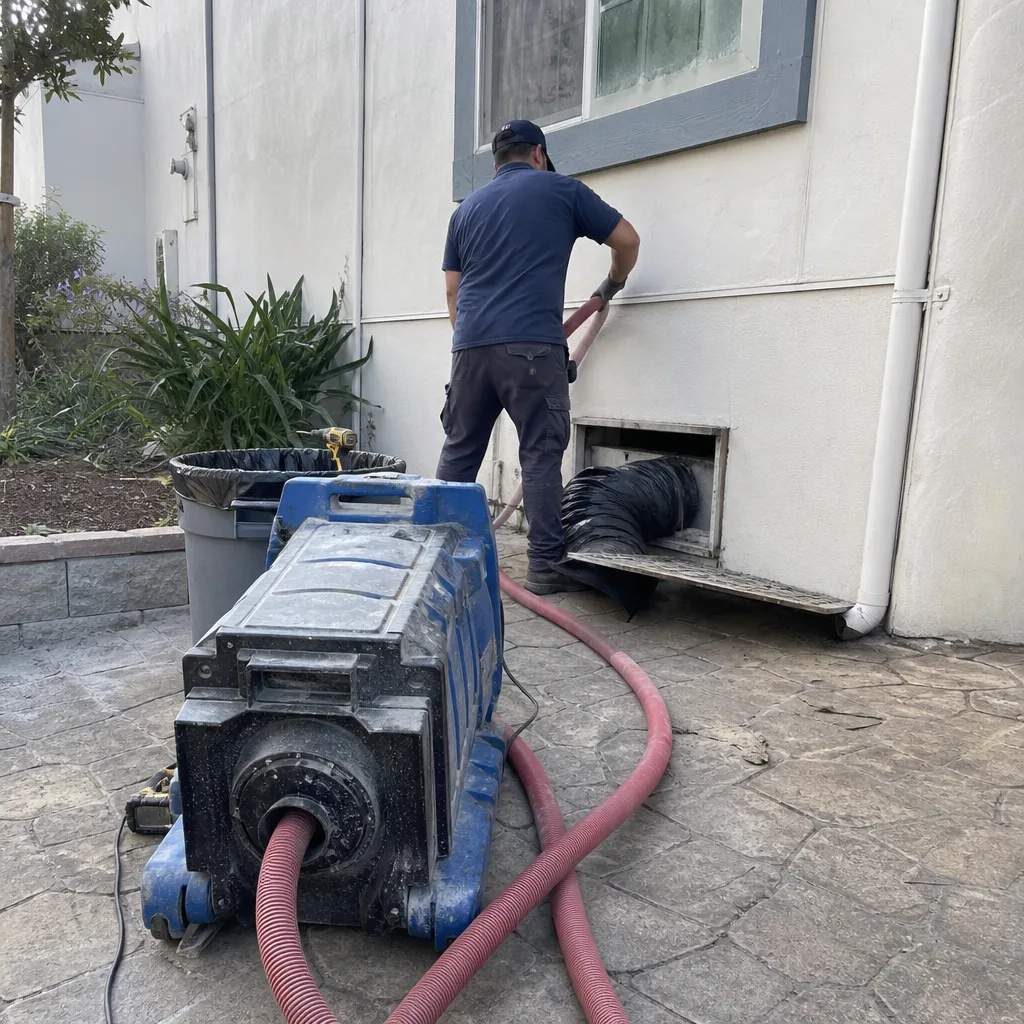 Before
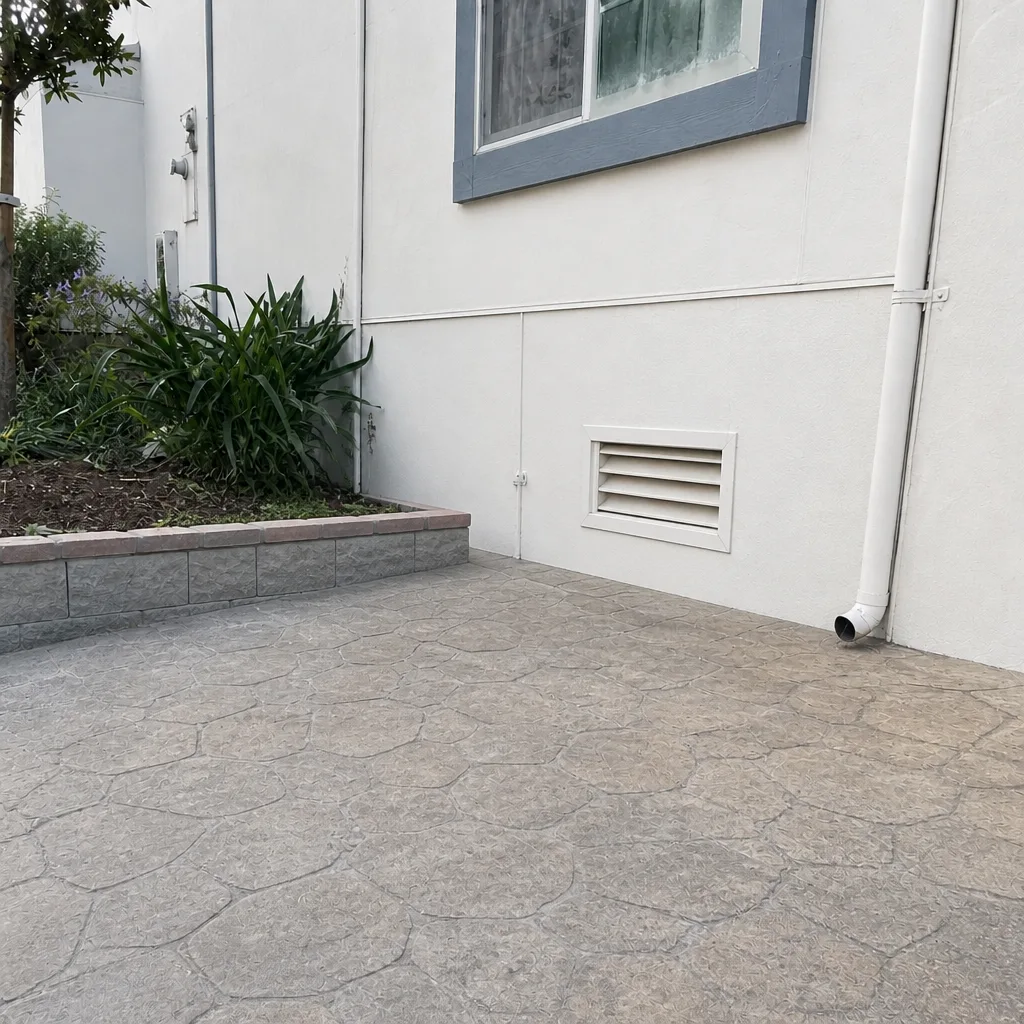 After
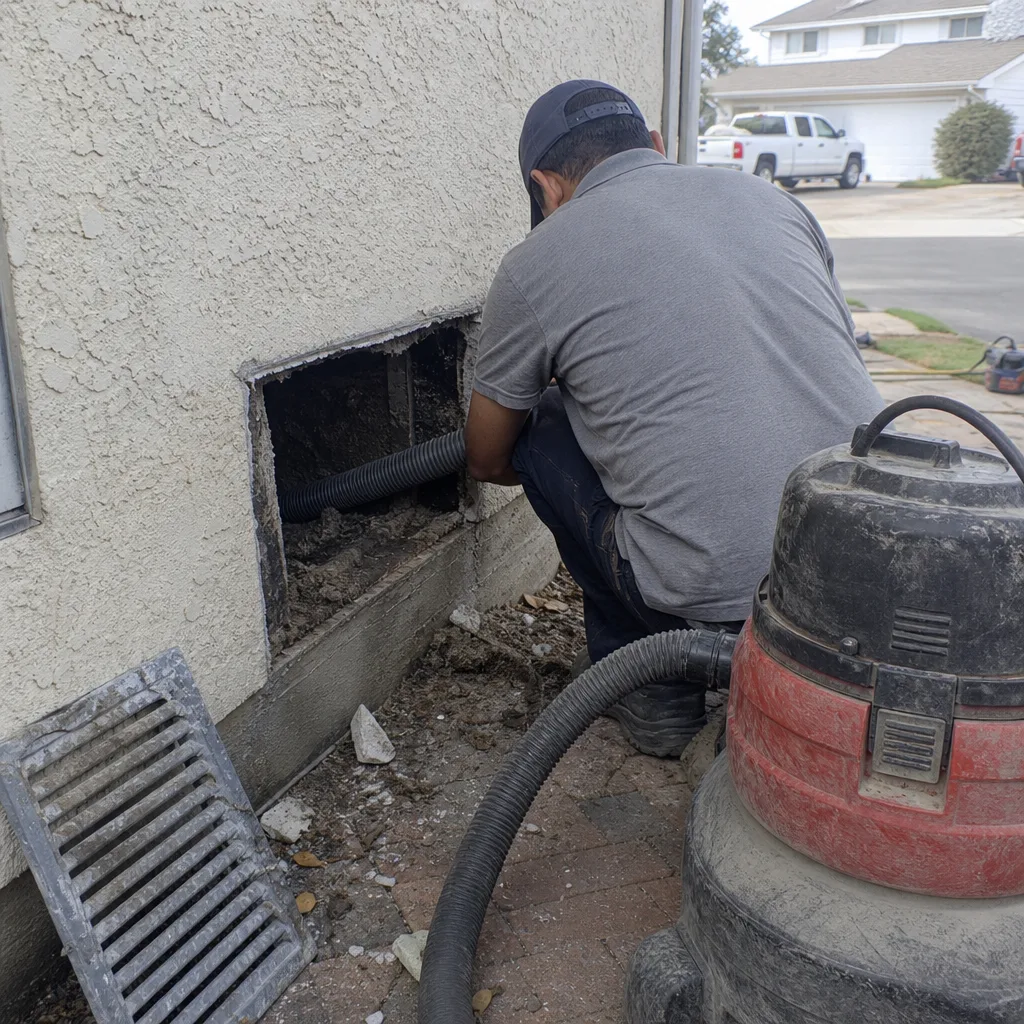 Before
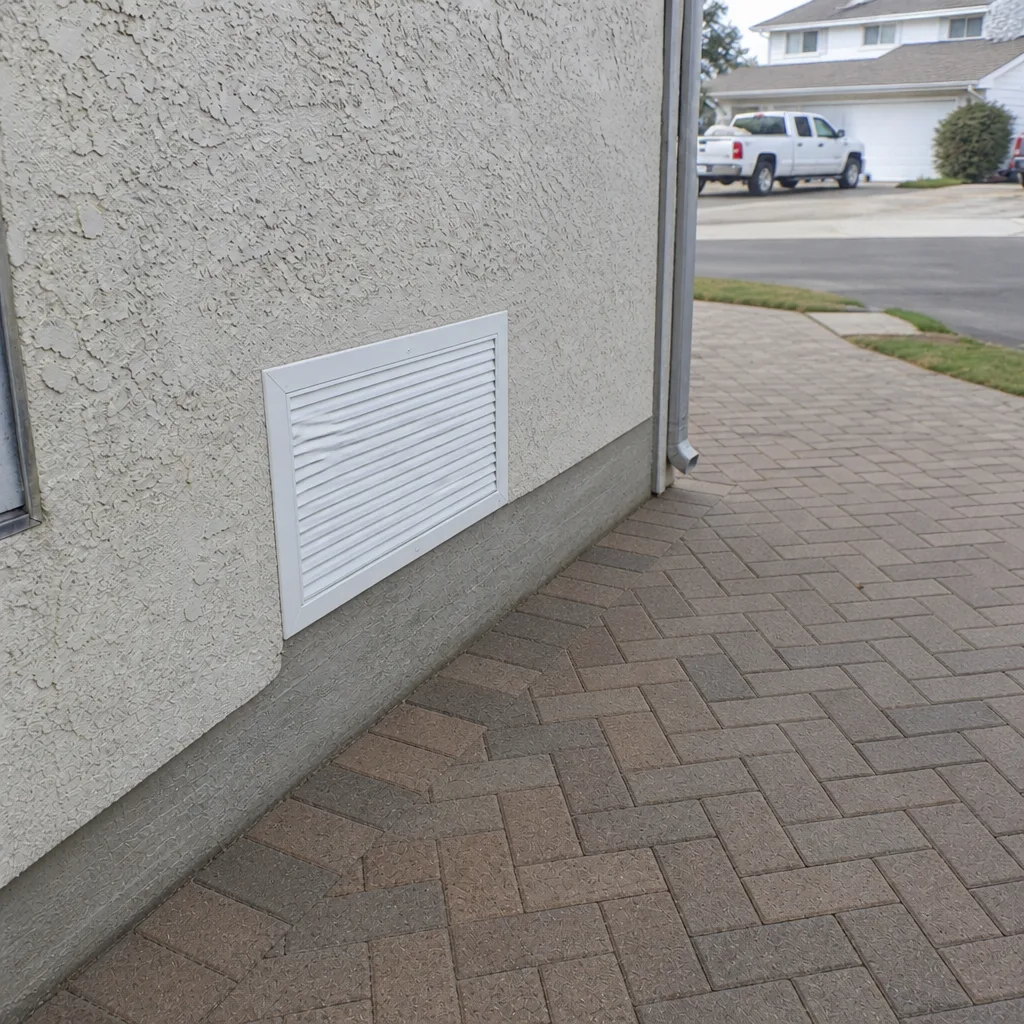 After
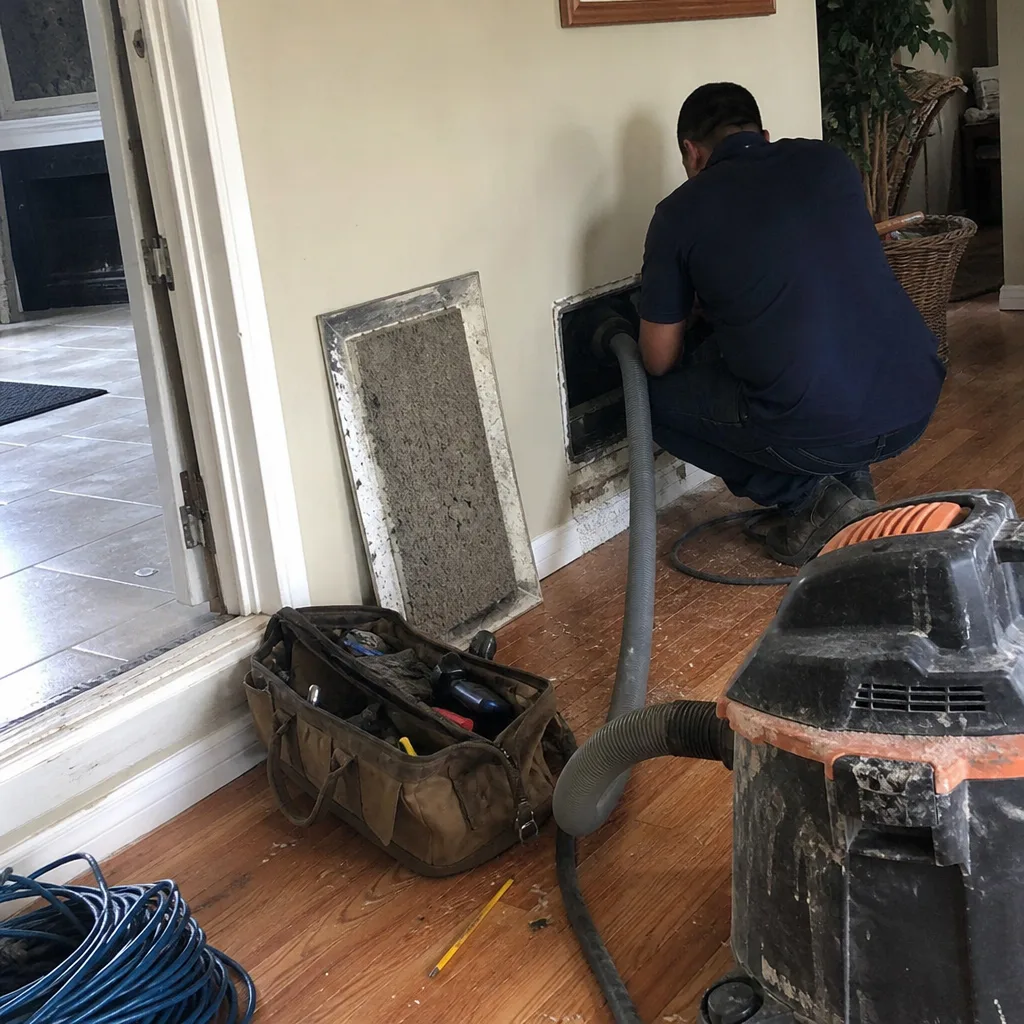 Before
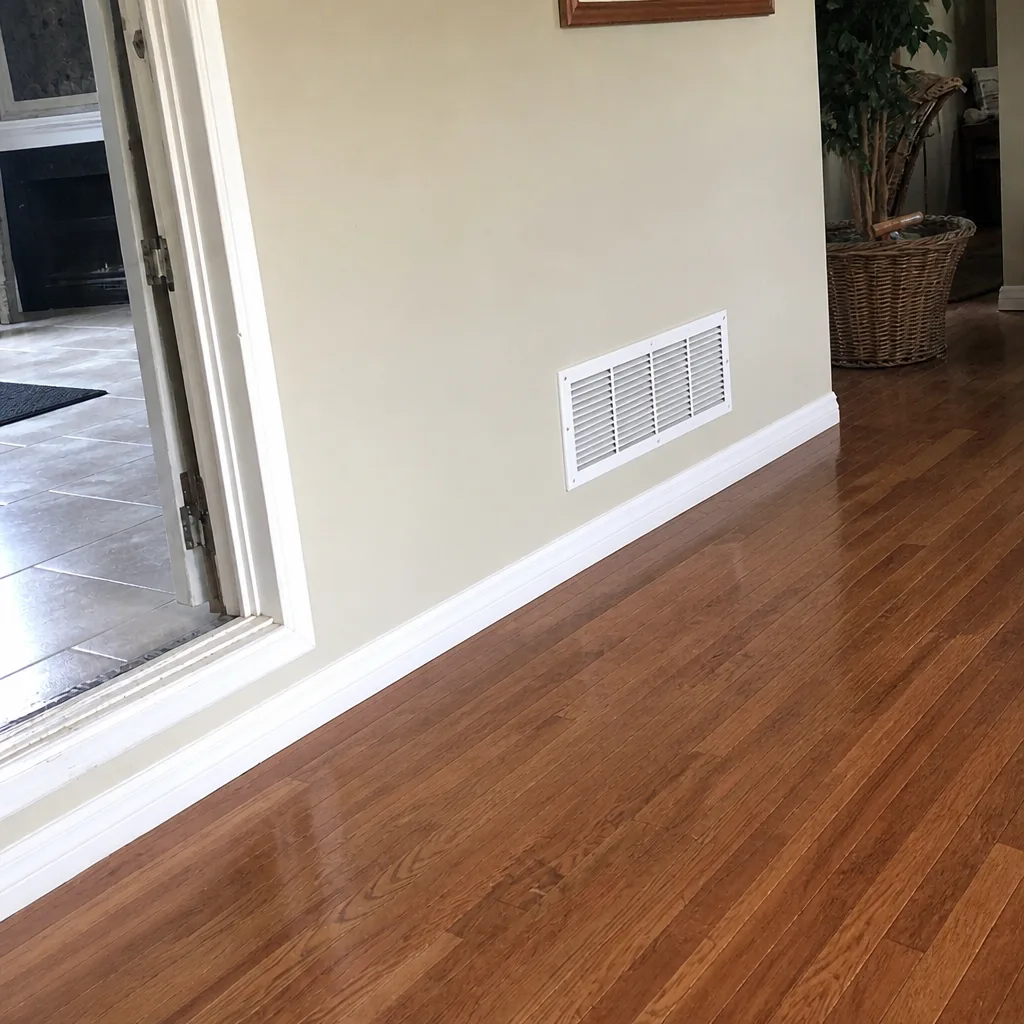 After
When to Call a Professional
Not every dusty vent is a duct cleaning emergency, but some situations call for a professional look. If you’ve had renovation work done and duct registers are showing fine dust afterward, that debris has likely entered the run. If a family member’s allergy symptoms get worse inside the home and improve outside it, the system is likely circulating contaminants. If you’ve noticed a musty smell when the system starts up, or dust settling on surfaces more quickly than usual, those are signs that duct cleaning and possibly sealing will make a difference.
Other triggers to watch for: longer dryer cycle times pointing to a lint-clogged vent, an aging system that hasn’t been cleaned since installation, and any visible gaps or disconnected joints around vents or returns. In each case, a documented inspection comes first. A trained contractor will confirm what’s actually happening before recommending a service.
For routine air duct cleaning, seasonal HVAC cleaning, and dryer vent service in Dana Point, air duct cleaning gives you the scope details before you book. Dana Point Air Duct Cleaning Pros offers free estimates in Dana Point – call (855) 629-3179. We answer 24/7. Fast dispatch from 7am to 7pm, Sunday through Friday.
Frequently Asked Questions
Whole-system duct cleaning in Dana Point typically falls in a range based on system size, number of returns, and whether repair or sealing is included. Rather than quote a teaser price, we give you a written scope of work with a flat price per system agreed before work starts, plus before-and-after photos of your own ducts. That way you can compare the bid against what’s actually included. Call (855) 629-3179 for an exact quote – estimates are free.
Because the scope is smaller. The cheap quote usually covers a vacuum pass on the accessible vents, not a full rotary brush clean of every run, with no containment and no documentation. The equipment investment required for a real job has to show up in the price. When you compare bids, look past the number and compare what the contractor actually does. The bid that reads as a full job is the one worth paying for. Call (855) 629-3179 to compare a full scope against what you’ve been quoted elsewhere.
Before-and-after photos taken during the job and a written service report delivered at the end. Request both in writing before work begins. A contractor who can’t commit to providing them isn’t providing the documentation that lets you verify the work. Call (855) 629-3179 and ask what documentation comes with a full-system clean.
Most homes do fine with duct cleaning every few years; a home with recent renovation, pets, or allergy concerns may warrant a check sooner. The honest answer depends on what the inspection finds. A contractor who gives you a hard number over the phone hasn’t looked at your system. Book an inspection, ask what they see, and let the documentation guide the interval. Call (855) 629-3179 for a free estimate and a clear recommendation.
No. Duct cleaning isn’t a state-licensed trade in California, and NADCA membership is voluntary. That doesn’t make it meaningless; it’s the opposite. Membership is a contractor’s choice to be held to a written standard in a market that doesn’t require one. Verify membership in the NADCA online directory before you book. If a contractor isn’t listed, ask why and follow up on the equipment questions in this guide.
Not unless the contractor’s scope says so. Duct cleaning covers ductwork; dryer vent cleaning is a separate service, and the air handler and coil fall under HVAC cleaning. Ask for one written scope that lists all three so you know what’s covered before you book. Dana Point Air Duct Cleaning Pros offers all three services; call (855) 629-3179 to ask what a full-system scope for your home includes.
The Bottom Line
Hiring a duct cleaning contractor in Dana Point comes down to three things: equipment, credentials, and documentation. Ask about the brush system, the vacuum’s negative pressure rating, HEPA filtration, and containment before you book. Verify NADCA membership in the online directory in under a minute. Demand a written scope of work and confirm the post-job documentation you’ll receive. Compare bids on scope, not on price. And treat mold treatment recommendations without an inspection as a signal to walk away. If you’d rather start from a documented process instead of a coupon, call (855) 629-3179. We answer 24/7. Fast dispatch from 7am to 7pm, Sunday through Friday. The estimate is free and the price is set per job by the written estimate.
Written by the team at Dana Point Air Duct Cleaning Pros.