
Last updated November 24, 2026
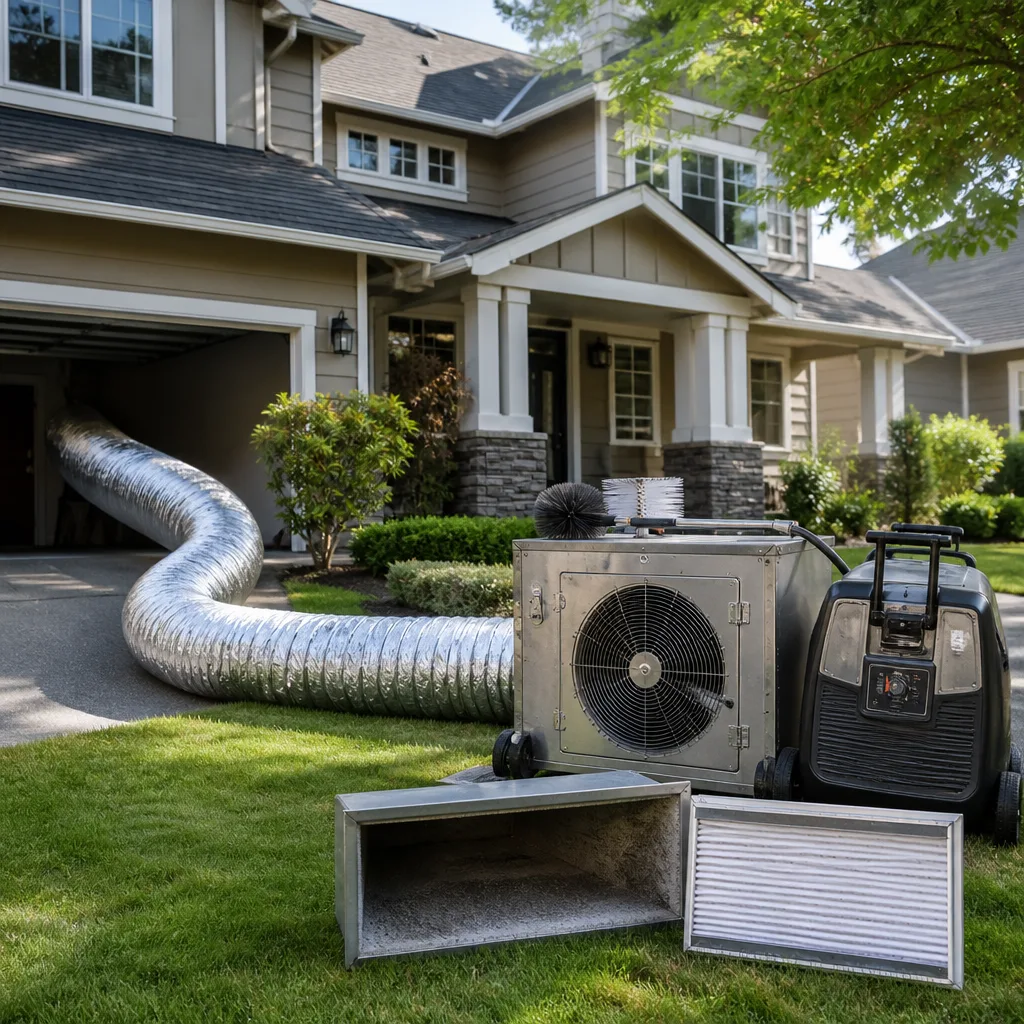 Whole-home duct cleaning
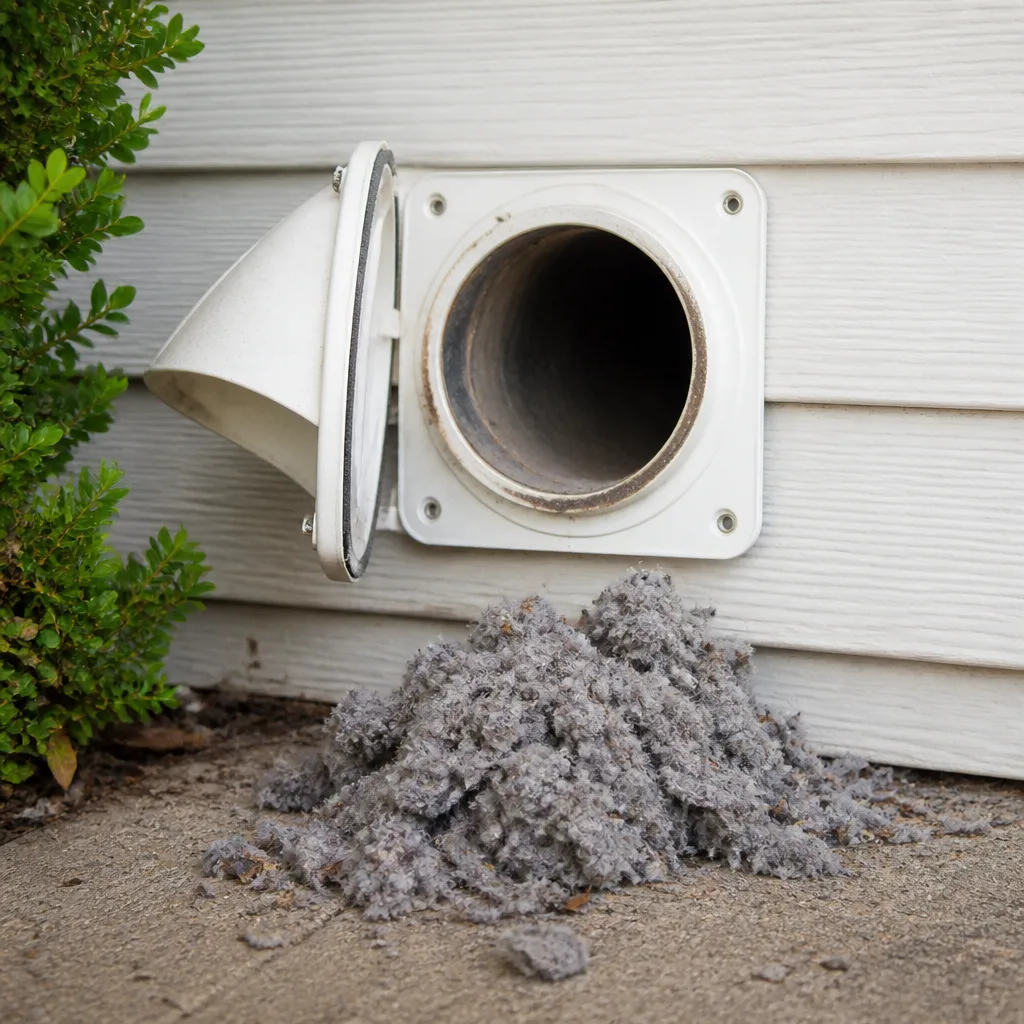 Dryer vent cleaning
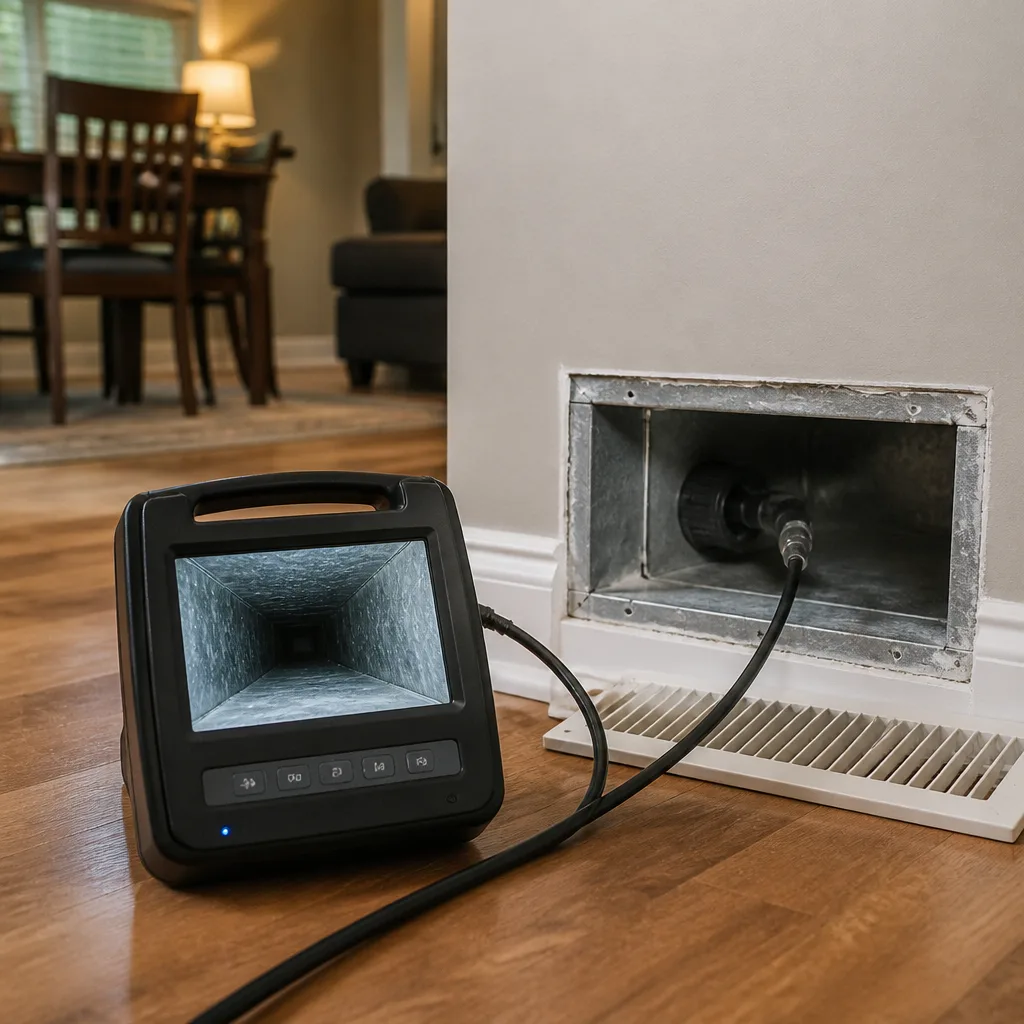 Camera inspection
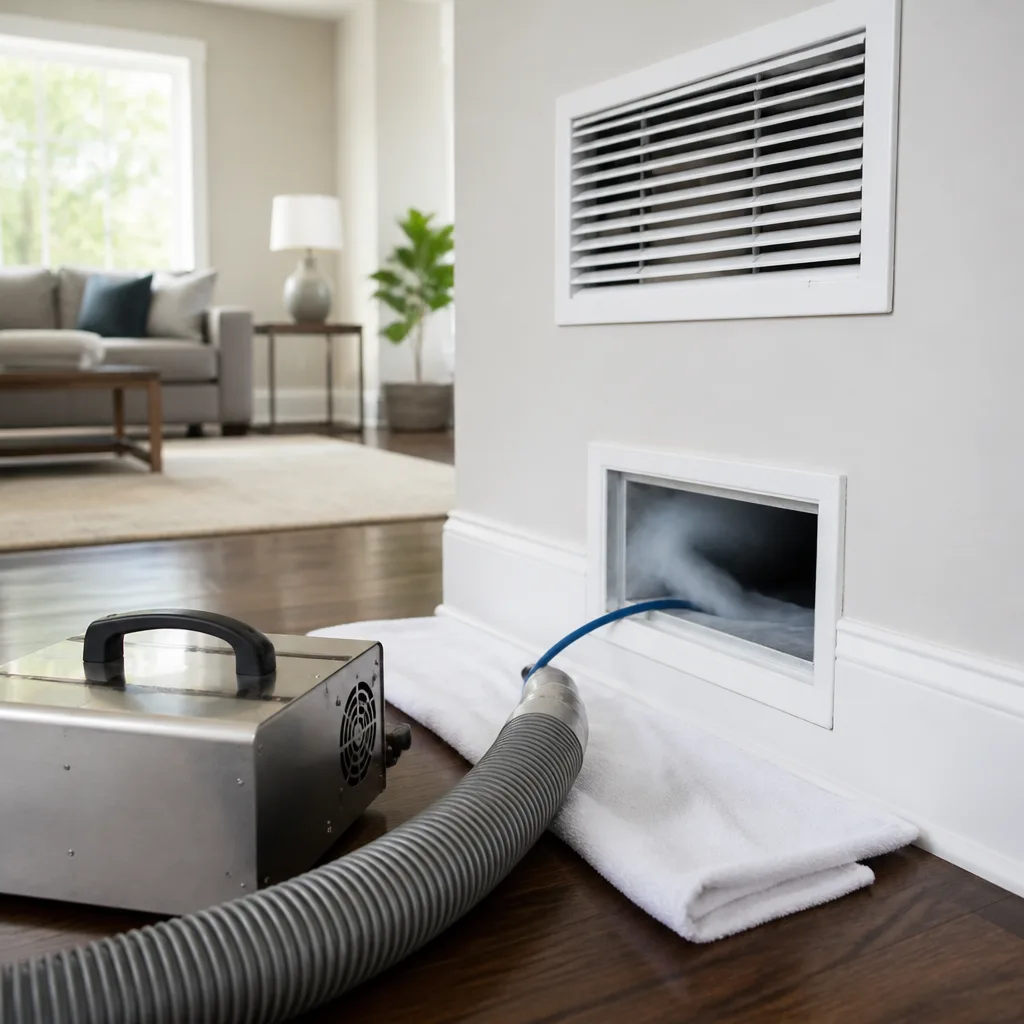 Sanitizing & deodorizing
Whole-system duct and dryer vent check with before-and-after photos - you see exactly what came out of your vents
That "$99 whole-house special" is a bait ad - the real number appears once they are in your hallway, or the "clean" is a shop-vac at the register. We photograph the inside of your ducts before and after instead.
Air Duct Cleaning Cost Breakdown: The Dana Point Homeowner’s Reference for 2026
A $99 whole-house duct cleaning offer isn’t a deal. It’s a business model. That number was never meant to cover real work, real equipment, or real time inside your attic and crawlspace. It’s a door-opener, and the real invoice gets written once a technician is standing in your living room with a clipboard and a list of treatments he’s been trained to sell. The frustrating part is that the homeowner often can’t tell the difference between a genuine cleaning and a very convincing performance. That’s what this guide fixes. By the end, you’ll know what a legitimate whole-house cleaning in Dana Point actually costs in 2026, what drives the number up or down, and how to read a written quote so you’re comparing two real services instead of apples and theater.
Quick Answer
A whole-house air duct cleaning in Dana Point in 2026 typically runs from about $450 to $1,100 for a standard single-system home, with larger homes, multiple HVAC systems, and difficult attic or crawlspace access pushing the figure toward $1,500 or more. A legitimate quote itemizes the number of supply registers, return drops, and linear feet of trunk line before you agree to anything. Anything advertised as a flat nationwide-style “whole house special” under $200 for a full clean is a lead-generation number, not a scope of work.
Styles & brands we work with
- Whole-home duct cleaning
- Dryer vent cleaning
- Camera inspection
- Sanitizing & deodorizing
Table of Contents
- What actually drives the cost of air duct cleaning in Dana Point?
- What you get at each price tier: budget, mid-range, and full-system
- How home size and duct material change the number
- Dryer vent, coil cleaning, and UV treatment as legitimate add-ons
- Truck-mounted vs. portable equipment: what the difference buys you
- How to use a written scope of work to compare quotes
- Access difficulty in Dana Point homes and why it matters
- How often does it really need doing, and when to skip it
What actually drives the cost of air duct cleaning in Dana Point?
The number on your quote is built from measurable variables, not a gut feeling. Any contractor who can’t tell you how many supply registers your system has before they name a price is guessing, and you’re paying for that guess. This is the core reason quotes in Dana Point range by a factor of four: two contractors can both advertise “whole-house duct cleaning” and mean two entirely different jobs.
Here’s the line-item breakdown of what actually moves the price:
- Number of supply registers. A typical Dana Point home has somewhere between 8 and 18 supply registers. Each one is a separate cleaning point requiring a rotary brush pass and vacuum extraction. This is the single biggest driver of labor time.
- Return air drops. Most homes have one or two main returns; larger homes with a zoned system may have three or four. Returns are often larger diameter than supplies and collect far more debris, so they take more time per drop.
- Linear feet of main trunk line. The trunk is the big rectangular ductwork running through your attic or crawlspace. Longer runs mean more brush-and-vac travel and more access points to cut and reseal.
- Number of HVAC systems. A single-air-handler home is one job. A home with two air handlers (common in larger Capistrano Beach or Monarch Beach properties) is essentially two jobs.
- Access difficulty. Ductwork buried under insulation, joists, or plumbing chases adds time and labor. This is the wildcard that separates a clean quote from an accurate one.
- Duct material. Flexible insulated duct is generally faster to clean than rigid sheet metal with many joints. Both are entirely cleanable with the right equipment.
- Contamination level. A system that’s never been cleaned, or one with visible microbial growth, needs an additional sanitizing pass.
Every one of those items should show up in a written scope of work. When they don’t, that’s your first red flag that the price you were quoted wasn’t calculated for your home. Professional-grade equipment, not DIY workarounds, is what makes each of these line items verifiable.
What you get at each price tier: budget, mid-range, and full-system
Dana Point duct cleaning pricing in 2026 clusters into three recognizable tiers. Knowing what belongs at each one helps you place a quote the moment you see it. Here’s the honest breakdown, with typical 2026 dollar ranges for a single-system home:
- Budget tier: $99 to $250. What’s actually delivered at this price is usually a surface vac of the visible registers and a “fogging” pass that sprays a scent over the debris rather than removing it. There’s no camera inspection, no rotary brush, no negative-air containment. The business model depends on the technician selling you an upgraded treatment on-site once he’s inside. This is the bait-and-switch tier.
- Mid-range tier: $350 to $650. This usually includes a source-removal clean of supply registers, return drops, and the main trunk using a portable rotary brush and vacuum. It’s a legitimate clean for a smaller or lightly soiled system, but it may not include containment, sanitizing, or a documented before-and-after record.
- Full-system tier: $450 to $1,100+. This is professional-grade work: rotary brush and vacuum extraction with Rotobrush or Nikro systems, negative-air containment to prevent cross-contamination during the clean, a documented before-and-after record of the actual ducts, and a scope of work that itemizes every register, return, and running foot of trunk. This is what full-system indoor air work looks like.
Here’s the comparison in table form for reference:
- Tier | Typical Range | What’s Included | Red Flags
- Budget | $99 – $250 | Surface vac, scent fogging | Aggressive upselling, no scope of work
- Mid-range | $350 – $650 | Portable brush and vac, supplies/returns/trunk | No containment, no documentation
- Full-system | $450 – $1,100+ | Rotary brush and vacuum, containment, documentation, sanitizing option | (this is the standard to hold quotes to)
The gap between the bottom and top tier isn’t profit margin. It’s the equipment, the labor hours, the containment, and the documentation. A crew that spends three hours properly cleaning a system costs more to run than one that spends forty minutes fogging registers, and the outcome inside your ducts is not the same service.
How home size and duct material change the number
Two Dana Point homes of the same square footage can price $300 apart because of ductwork configuration rather than floor plan alone. Home size is a starting point, not the whole calculation. When you’re comparing quotes, ask specifically about the system layout, not just the square footage.
Here’s roughly how the tiers map to common Dana Point housing types:
- Condos and smaller homes (roughly 1,000 to 1,500 square feet, single air handler, 6 to 10 registers): typically $350 to $550 for a full-system clean.
- Standard single-family homes (roughly 1,500 to 2,500 square feet, single system, 10 to 16 registers): typically $450 to $850 for a full-system clean.
- Larger homes and multi-system properties (2,500+ square feet, two air handlers, 16+ registers): typically $750 to $1,400 or more.
Duct material matters too. Rigid sheet-metal ducts with lots of joints take more time to access and reseal than flexible insulated runs, which can be cleaned and re-hung more quickly. Flexible duct in poor condition also needs inspection for tears and sagging, since a tear in flex duct can pull attic or crawlspace air directly into the airstream. That inspection finding sometimes changes the quote on the spot, but it should be flagged before work begins, in writing.
The old Dana Point neighborhoods and the newer builds behave differently here. Older construction often has registers in unexpected places, tight attic access, or duct runs that were added after the fact. Newer construction tends to have cleaner, more accessible layouts but sometimes tighter attic clearances. Both are cleanable; both just take a differently shaped quote.
Dryer vent, coil cleaning, and UV treatment as legitimate add-ons
Add-ons are where the bait-and-switch business model earns its money, so it’s important to know which ones are real maintenance items and which are upsell theater. Some legitimate add-ons genuinely extend the value of a duct cleaning. Others are sold because the technician’s commission depends on it. Here’s how to sort them:
- Dryer vent cleaning: $125 to $275. Legitimate and often recommended. Dryer vent lint buildup is a well-documented residential fire hazard, and most duct-only cleaners skip it entirely because it requires different equipment. When a technician offers it during a duct cleaning, it’s usually a real service rather than a fabricated one. See our dryer vent cleaning page for what the process involves.
- Evaporator coil cleaning: $150 to $350. Legitimate when the coil is actually dirty. A dirty coil cuts system efficiency, and if your duct cleaning is already opening the air handler, this is the natural moment to do it. Warranted if the coil shows visible buildup; not warranted as a “routine” upsell on a clean coil.
- UV treatment / in-duct air purification: $300 to $900 installed. Legitimate as a whole-home air quality product, but only when there’s a real reason for it (mold growth, chronic moisture, or a household with specific air quality needs). Honeywell and Aprilaire make the products worth considering. It should never be sold as a default add-on during a basic duct cleaning.
- Sanitizing treatment (Guardsman-grade): $100 to $250. Legitimate when the cleaning reveals microbial growth or a strong odor persistent after the clean. Not necessary on a system that cleans up well with no contamination finding.
- Filtration upgrades (Honeywell, Aprilaire): installed $200 to $600. Legitimate when the home has a low-MERV filter situation and someone wants real whole-home filtration. This is a real consideration, not a scare tactic, when the homeowner asks about filtration.
The pattern to notice: any add-on should answer a specific finding from your cleaning, not arrive as a pitch. If the technician shows you a dirty coil photo, the coil cleaning offer is honest. If he hands you a list before he’s opened anything, it’s a sales script. Read our air duct cleaning service overview for how a legitimate full-system clean handles add-on decisions.
Truck-mounted vs. portable equipment: what the difference buys you
Truck-mounted duct-cleaning systems cost more to operate, and jobs using them cost more – but the homeowner gets something concrete for the difference. Knowing what separates the two helps you evaluate whether a quote is priced for real cleaning or for a shop vac and a hose.
Here’s what actually changes when a crew uses professional equipment rather than portable or DIY-grade machines:
- Vacuum strength and containment. A truck-mounted or high-capacity portable vacuum system with negative-air containment pulls debris out of the system under real pressure and keeps it from being redistributed into other rooms while the work happens. A shop vac doesn’t hold that pressure, and it can stir up more than it removes.
- Rotary brush reach. Rotobrush and Nikro rotary systems can brush the full interior surface of ductwork, not just the visible register opening. Debris that clings to duct walls, especially in flex duct ribs, needs a mechanical brush to dislodge. Fogging doesn’t remove it; it just coats it.
- Verifiability. A professional crew can photograph and document the before-and-after state of the ducts. That record is what protects you. Without documentation, “we cleaned it” is a claim, not a deliverable.
- Containment. Abatement Technologies negative-air equipment is used during service to control airborne debris and keep the workspace clean. A shop-vac operation doesn’t do this, which is why so many homeowners report more dust in the house after a cleaning than before.
- Access handling. Professional crews cut and reseal access points in a way that maintains the air seal. A poorly resealed access point becomes an energy loss and a contamination entryway.
The truest test of a quote is whether the scope of work names the equipment. If a quote doesn’t mention rotary brush and vacuum extraction, containment, or documented before-and-after photos, you’re not being quoted a professional clean – you’re being quoted the theater version. Cleaning is step one; professional crews also inspect for seal integrity and address compromised ductwork at the source. Our HVAC cleaning page covers what that combined process looks like inside the air handler and coil cabinet.
How to use a written scope of work to compare quotes
A written scope of work is what lets you compare two quotes on equal terms. Without one, you’re comparing a number against a number that might not describe the same service. Here’s how to use one to your advantage.
Ask every contractor for a written scope before you sign anything. Here’s the checklist a legitimate scope should include:
- Number of supply registers to be cleaned. The quote should list the count explicitly, not just “all registers.”
- Number of return air drops to be cleaned. Returns are frequently skipped by budget-tier cleaners.
- Linear feet of main trunk line. The trunk should be itemized, not assumed.
- Equipment to be used. Names the rotary brush and vacuum system, not just “professional cleaning.”
- Containment method. States how airborne debris will be managed during the clean.
- Documentation. Confirms before-and-after photos of your ducts will be provided.
- Any add-ons quoted separately. Dryer vent, coil cleaning, sanitizing, and filtration as distinct line items.
When you have two scopes side by side, you can compare apples to apples. If one quote lists 12 registers and the other says “whole house,” the price difference might just be scope clarity, not quality. If one names Rotobrush or Nikro equipment and the other doesn’t mention equipment at all, the cheaper one probably isn’t a clean at the same standard.
Ask the contractor to walk you through the scope before you commit. A professional will happily explain every line item. The contractor who gets defensive about scope is telling you something useful about the job you’re about to buy. Once you’ve chosen the work, our team at Dana Point Air Duct Cleaning Pros is glad to send you a written scope before anything else happens.
Access difficulty in Dana Point homes and why it matters
Ductwork isn’t always sitting there ready to clean. In older Dana Point housing – especially slab-on-grade homes with ductwork in the attic – access can be the difference between a straightforward job and a hard one. This is why a professional crew walks the system before quoting, and why an accurate quote sometimes costs more than a guess.
Common access factors that show up in Dana Point homes:
- Attic access cuts. Older attics may have small access hatches that require removal and resecure. Each cut is labor time and reseal material.
- Ductwork under blown insulation. Attic insulation often sits over duct runs in older homes, and the crew needs to clear it, clean, and restore it. This is a real line item, not padding.
- Plumbing or electrical chases crossing the trunk line. A trunk squeezed past plumbing needs careful access to avoid damaging the pipes during brush pass.
- Slab construction. Some Dana Point homes have under-slab returns, which are harder to access and require a specific equipment approach. Not impossible, just slower.
- Roof-mounted air handlers or packaged systems. Some configurations need roof access to service the air handler properly.
If the crew walks the system and quotes access difficulty honestly, that quote is probably accurate. If the crew never looks before quoting, or quotes a flat price without checking, the “surprise” line items usually arrive after the truck is parked. Nothing about that should be a surprise, and a written scope prevents it.
How often does it really need doing, and when to skip it
There’s a persistent myth that duct cleaning should happen on a fixed calendar, like an oil change. It shouldn’t. A clean, dry, well-sealed duct system in a typical Dana Point home often doesn’t need cleaning for several years, and in some homes not at all during a normal ownership stretch. The right schedule depends on what’s actually happening in your house, not on a yearly reminder card.
Legitimate reasons to book a duct cleaning:
- Visible debris or dust discharge from registers. If you put your hand near a supply register and see a plume of dust, the system is contaminated.
- Persistent musty or “dirty sock” odor. That smell is a symptom, and it often points to microbial growth somewhere in the air handler or duct surfaces.
- Recent renovation or construction dust. Drywall dust, sawdust, and insulation fibers work their way into ductwork during remodels and stay there. A post-renovation clean is legitimate.
- New home purchase. You have no idea what the previous owner’s system conditions were, and a clean starting point is reasonable.
- Allergy or respiratory symptoms that worsen indoors. A clean system doesn’t fix allergies, but a contaminated one can amplify the baseline, so ruling out a dirty duct system is a sensible first step.
- Water damage or pest intrusion. Rodents or roof leaks that reached the ductwork mean a real inspection and clean, not just a routine visit.
Reasons NOT to book one: an unsolicited phone solicitation, a direct-mail coupon with no scope of work, or a sales pitch that arrives before any inspection. If a company can’t tell you why your ducts need cleaning with a photo or a specific measured reading, there’s no reason to schedule service that day. Cleaning on a schedule you control, not on a coupon’s schedule, is the way to spend money on this service.
Common Mistakes to Avoid
- Booking based on a coupon figure alone. A $99 offer before any scope of work is a lead-generation number, not a quote for a full clean. The invoice at the end is the actual price, and it’s usually written by the technician after the deal is signed.
- Signing before seeing a written scope. Registers, returns, trunk length, equipment, containment, and documentation should all be listed in writing before any work starts. Refusing to provide a scope is itself an answer about the job.
- Assuming the whole house means the whole system. Many “whole-house” budget cleans actually cover just the visible registers. Return drops and the main trunk, where most debris sits, are where the real cleaning happens.
- Letting add-ons drive the invoice. Dryer vent cleaning and coil cleaning are legitimate offers; a UV system as a default add-on during a basic clean is not. Every add-on should answer a specific finding from your cleaning.
- Skipping dryer vent cleaning while you’re already paying for duct work. If a crew is already at the house, dryer vent cleaning is a smart bundle – and lint buildup in the dryer vent is a real fire hazard worth addressing. Most duct-only cleaners won’t offer it; ours does.
- Not asking for before-and-after photos. Without documentation, “cleaned” is an opinion. A professional clean produces photographs of your actual ducts.
- Assuming new construction is clean. Construction debris ends up in new-build ductwork routinely, so even a recent build benefits from inspection before move-in.
See the difference
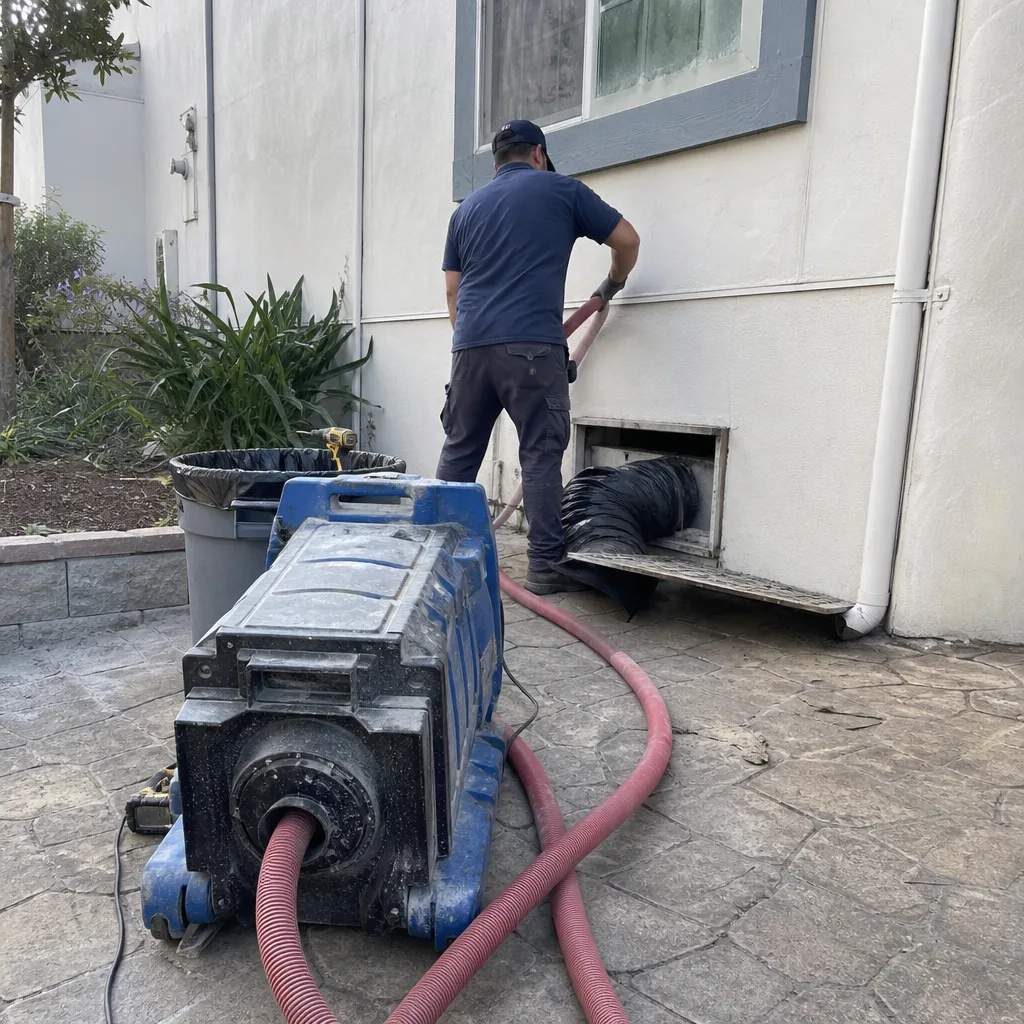 Before
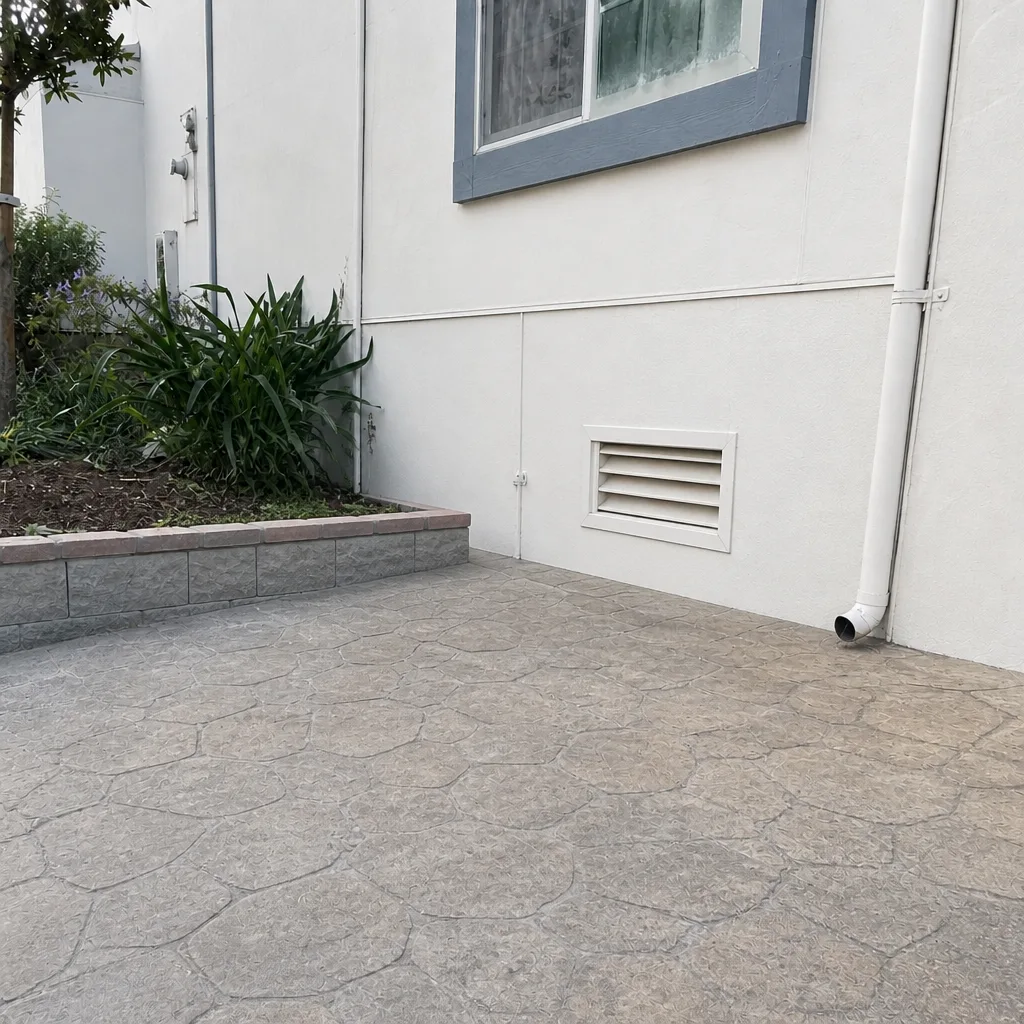 After
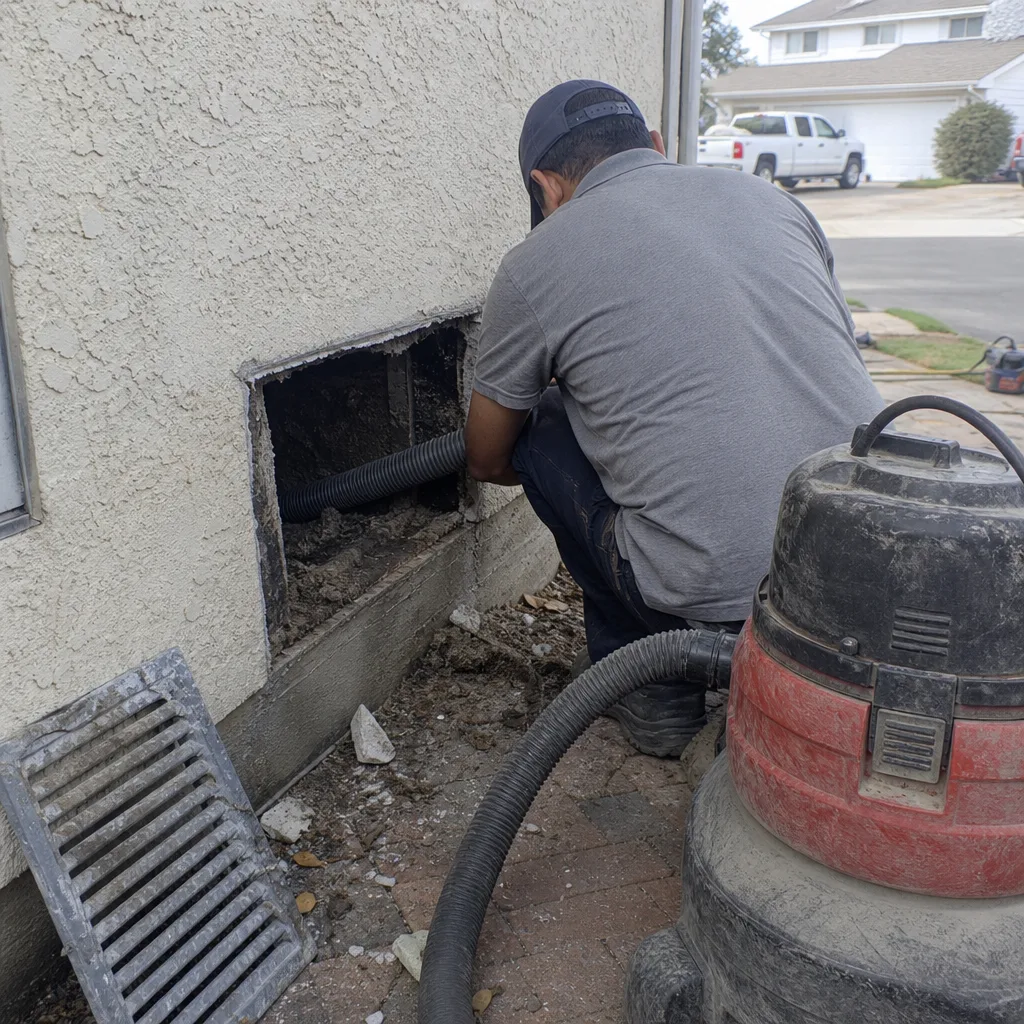 Before
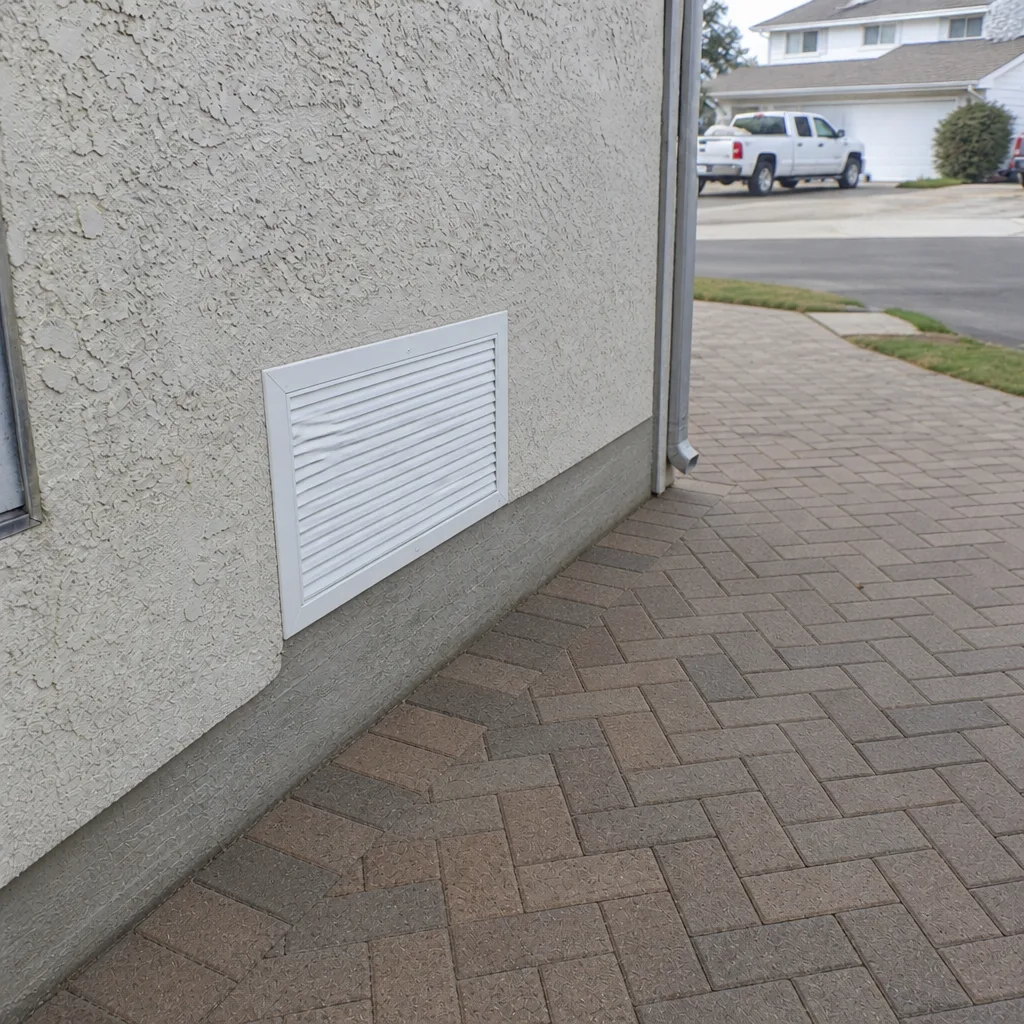 After
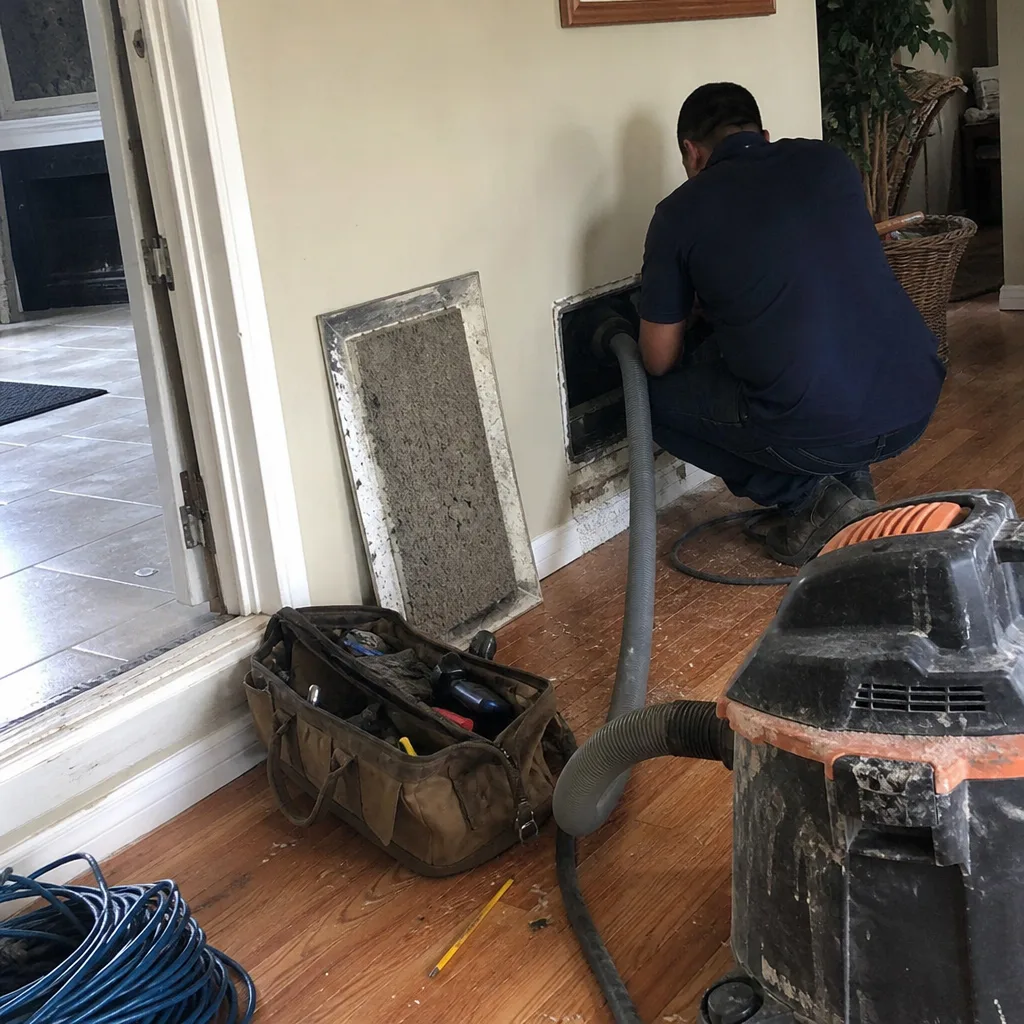 Before
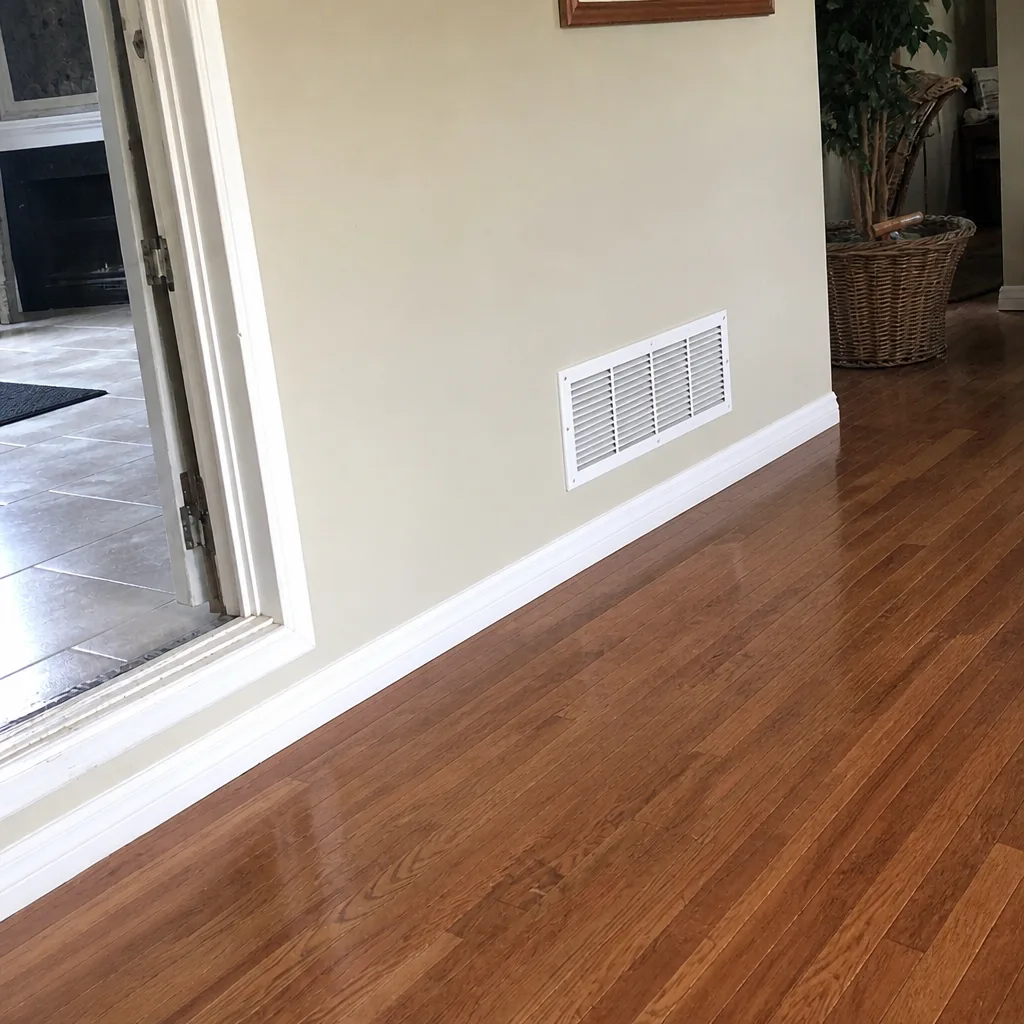 After
When to Call a Professional
Some duct situations call for an actual inspection rather than a cleaning, and getting that distinction right saves money. If you’re seeing visible dust blowing from registers, catching a musty smell whenever the system kicks on, or noticing that the drywall dust from a renovation hasn’t settled out of the air weeks later, those are clear signs the system itself needs a look. Same for a home you just bought, or a system with a persistent “dirty sock” odor that doesn’t clear. If the ducts have visible contamination at the registers, if a recent water or pest event may have reached the ductwork, or if you have reason to suspect the seals or connections are compromised, a professional inspection answers the question faster than guessing. Dana Point Air Duct Cleaning Pros offers free estimates in Dana Point – call (855) 629-3179. We answer 24/7. Fast dispatch from 7am to 7pm, Sunday through Friday.
Frequently Asked Questions
A full-system air duct cleaning in Dana Point in 2026 typically costs $450 to $1,100 for a standard single-system home, more for larger homes and multiple air handlers. Any quote that lands well below $350 for a “whole-house” clean should be read carefully for what’s actually included. Call (855) 629-3179 for an exact quote – estimates are free.
The cheap quotes cover a different, smaller job. Budget pricing usually buys a surface vacuum of visible registers and a fogging pass, not a rotary brush and vacuum extraction of the full system with containment. The rest of the price arrives on the invoice after the technician gets inside and finds “problems” that need additional treatment. Call (855) 629-3179 for a written scope of work that names every line item.
You ask for before-and-after photographs of your own ducts, taken by the crew during service. A legitimate professional clean produces documentation you keep. Coupled with a written scope of work that itemizes registers, returns, and trunk length, you have a record of what was cleaned. Call (855) 629-3179 for a free estimate that includes documentation of what will be done.
There’s no fixed calendar interval, and honest contractors won’t sell you one. Most homes need cleaning when there’s a specific reason: recent renovation, visible debris at registers, musty odor, a new home purchase, or water or pest intrusion into the system. Homes in good shape can go several years between cleanings. Call (855) 629-3179 for an inspection and an honest assessment – estimates are free.
Usually no – dryer vent cleaning is a separate service because it uses different equipment and addresses a different fire risk. Many duct-only cleaners don’t offer it, which is why dryer vent cleaning is worth confirming when you book a duct clean. Dryer vent cleaning typically runs $125 to $275 and is often recommended at the same time as duct work. Call (855) 629-3179 to schedule both together.
A truck-mounted or high-capacity vacuum system pulls debris out of the ducts under real pressure with negative-air containment, and typically costs more to run. A portable rotary brush and vacuum can do legitimate work on accessible systems, but cheap portables often don’t provide the same vacuum strength or containment. Ask every contractor what equipment will be used in your home, not just whether they have “professional equipment.” Call (855) 629-3179 for a quote that names the equipment.
The Bottom Line
Air duct cleaning pricing in Dana Point varies fourfold because the work varies. A $99 offer is a lead-generation number and a sales script, not a cleaning. A legitimate full-system clean in 2026 typically runs $450 to $1,100 for a standard home, more for multiple systems and difficult access, with dryer vent cleaning, coil cleaning, and sanitizing as legitimate add-ons when they answer a specific finding. Compare quotes on scope of work, not on the headline number: registers, returns, trunk length, equipment named, containment, and documentation. Get the scope in writing before anything else. Call (855) 629-3179 for a free estimate – we’ll send a written scope of work that itemizes the actual job, not a coupon price designed to convert into an upsell once the technician is inside.
Written by the team at Dana Point Air Duct Cleaning Pros.