
Last updated November 24, 2026
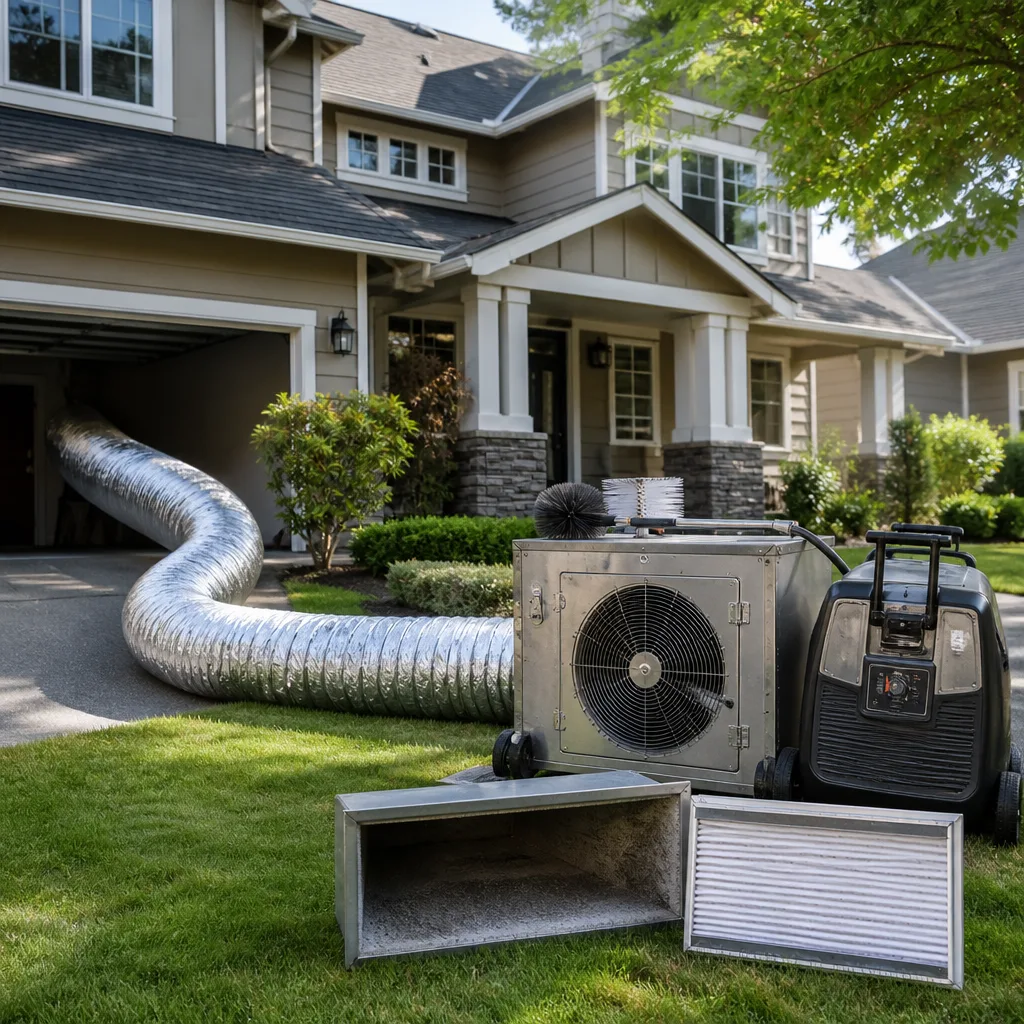 Whole-home duct cleaning
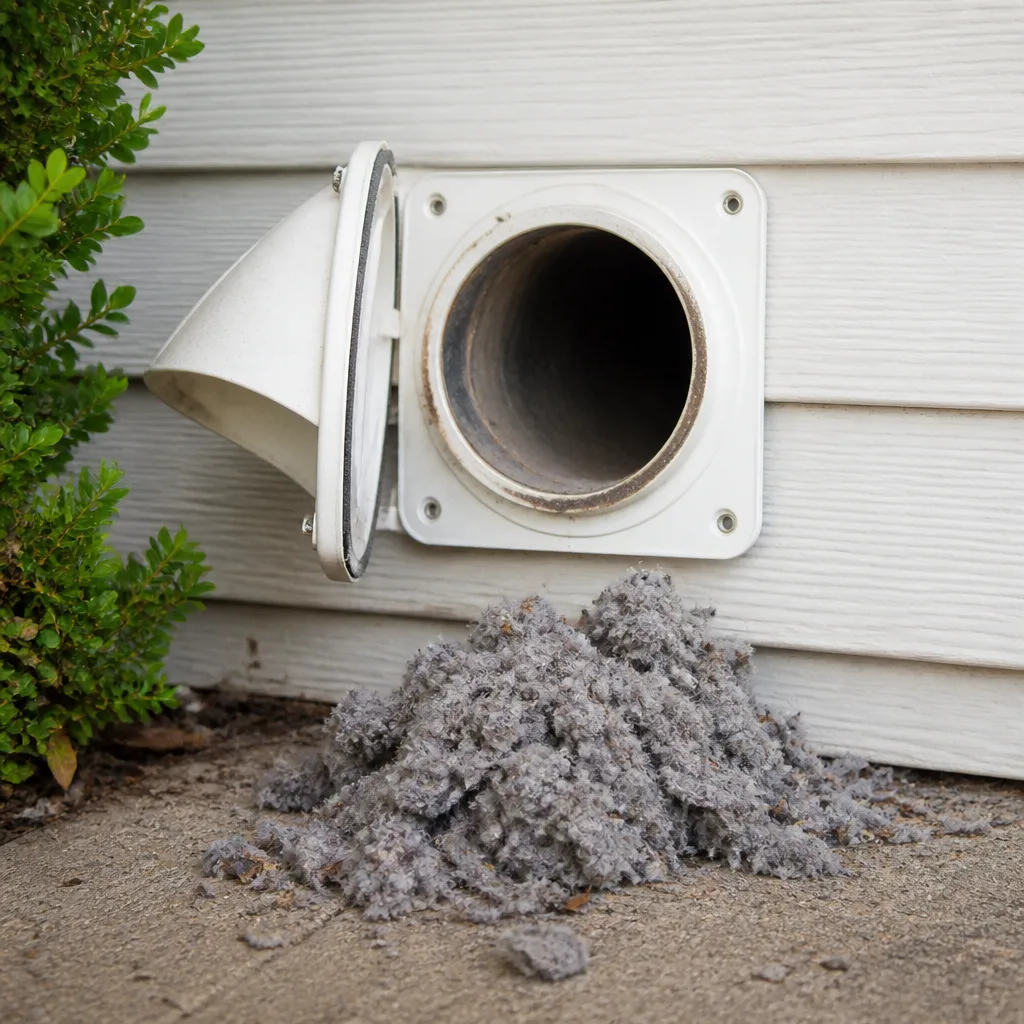 Dryer vent cleaning
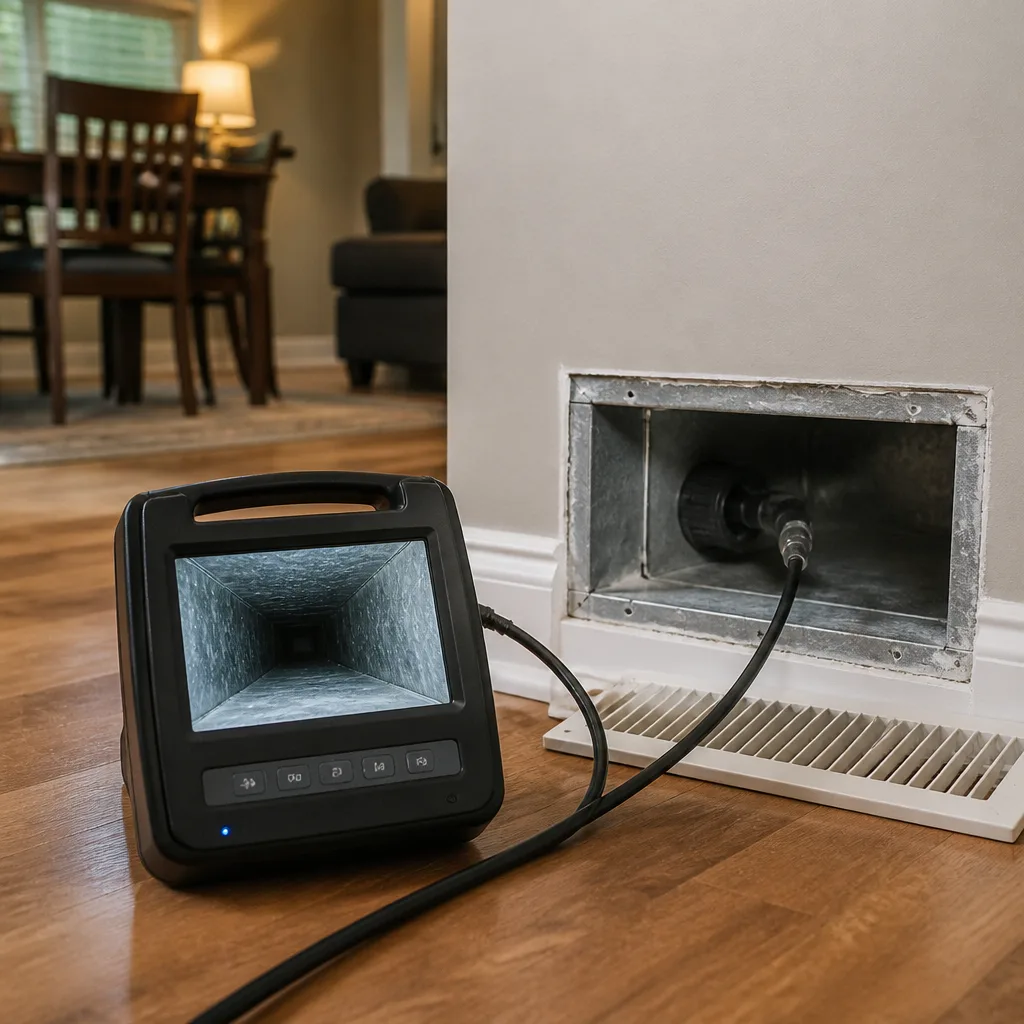 Camera inspection
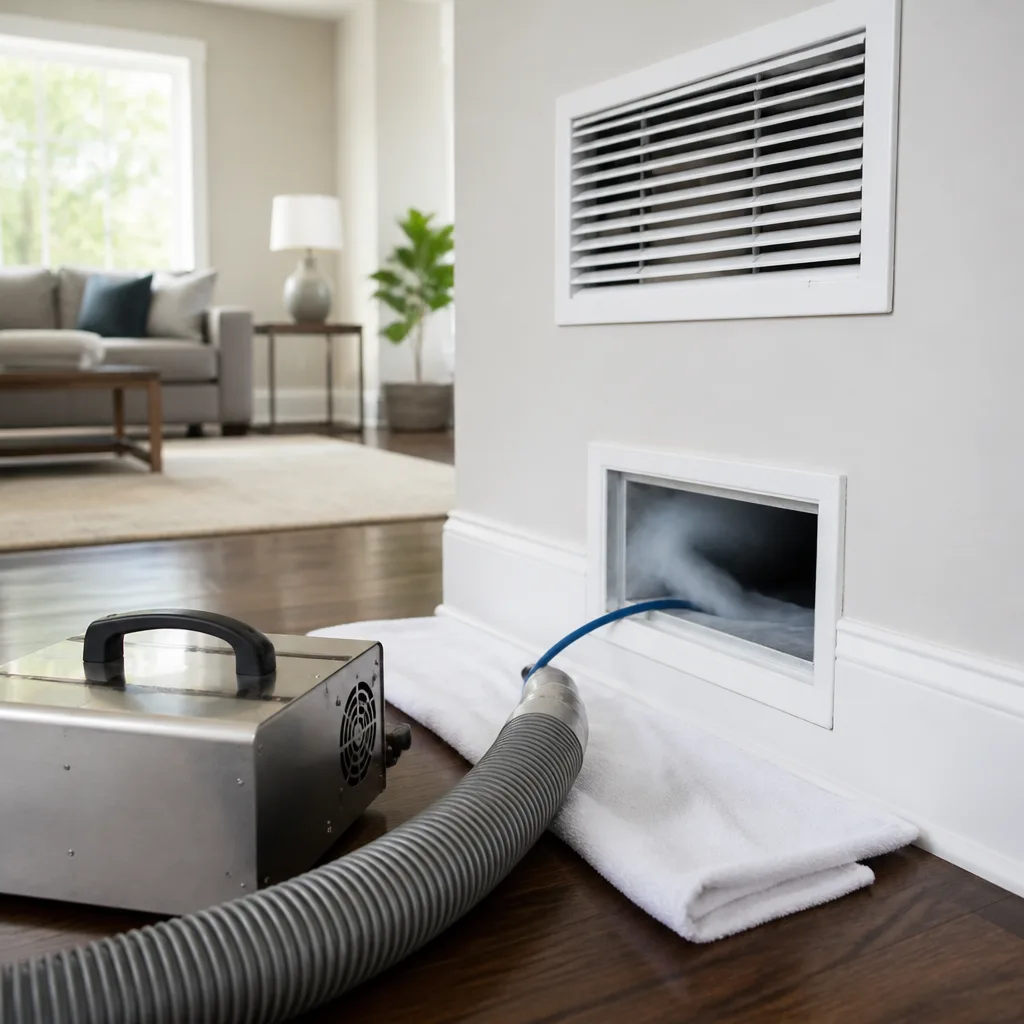 Sanitizing & deodorizing
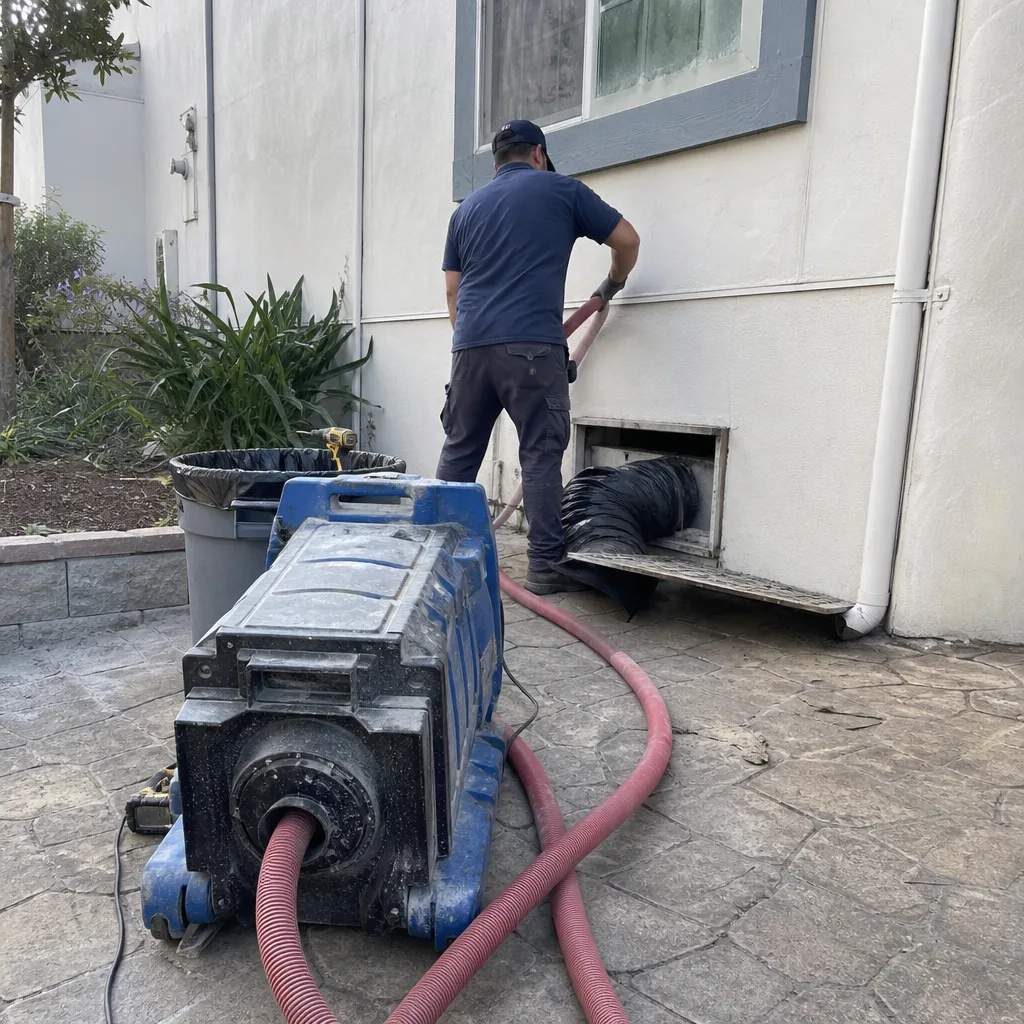
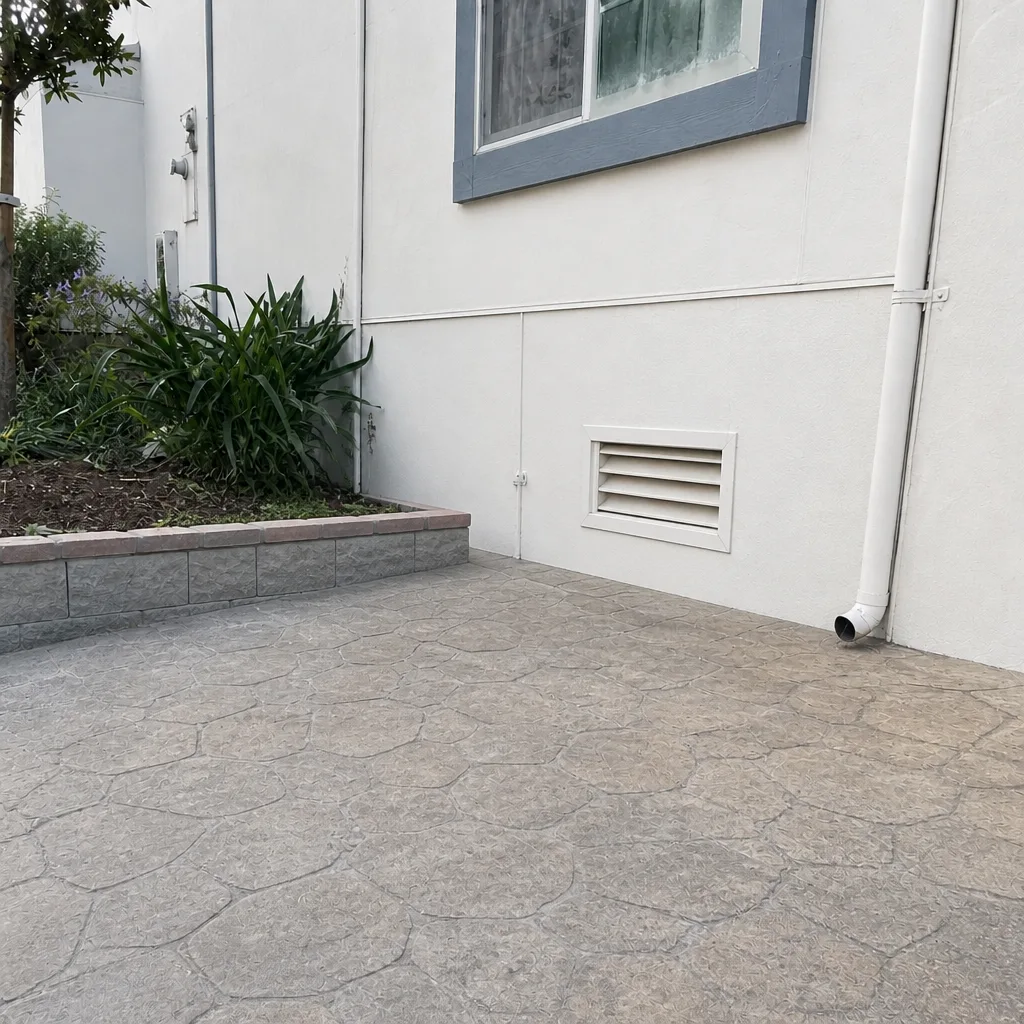
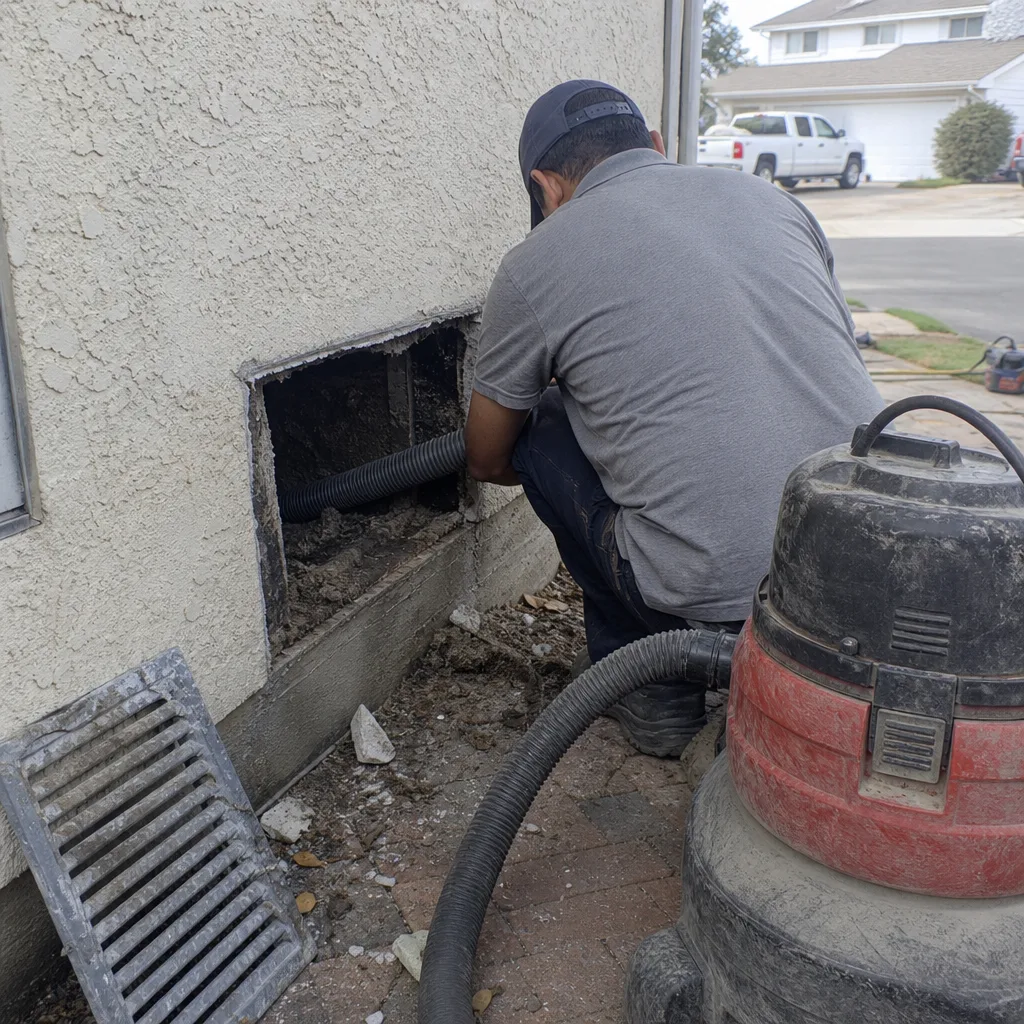
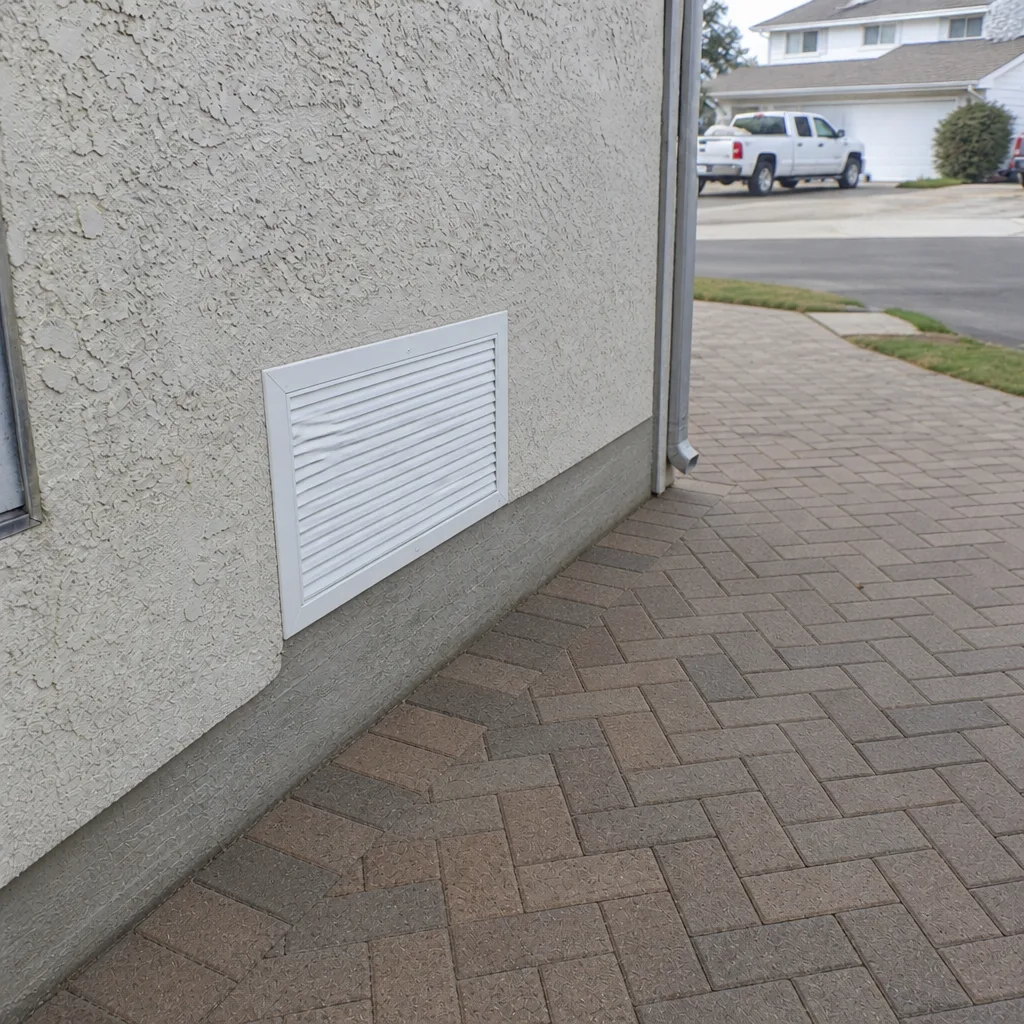
Whole-system duct and dryer vent check with before-and-after photos - you see exactly what came out of your vents
That "$99 whole-house special" is a bait ad - the real number appears once they are in your hallway, or the "clean" is a shop-vac at the register. We photograph the inside of your ducts before and after instead.
Seasonal Air Duct Cleaning Care for Dana Point: Year-Round Homeowner’s Guide
If your duct cleaning guide was written for a home in Ohio, its seasonal advice is useless for a Dana Point property. That matters because the climate stressors, pollutant types, and timing here are completely different. The standard four-season HVAC stress model assumes a hard freeze in winter, a heavy pollen spring, and a brutal summer cooling load. Dana Point doesn’t work that way. Our real pressure points are marine layer moisture in late spring, Diablo wind events in fall, and wildfire smoke that can load a duct system in a single day. This guide rebuilds seasonal duct care around what actually happens on the South Orange County coast, and shows you how to set a calendar for your own home.
Quick Answer
Air duct cleaning in Dana Point should be timed to the local climate, not a generic national schedule: inspect and plan in late winter, watch interior humidity during May Gray and June Gloom, check filters mid-summer when AC runtime peaks, protect the system during fall wildfire smoke events, and clean or sanitize when a season’s load has actually built up rather than on a fixed date. Most Dana Point homes need a full-system cleaning every few years plus targeted attention after a smoke event or a duct seal failure. The right interval depends on your home’s age, duct material, and how hard your HVAC system runs.
Styles & brands we work with
- Whole-home duct cleaning
- Dryer vent cleaning
- Camera inspection
- Sanitizing & deodorizing
Table of Contents
- Why Standard Seasonal Guides Miss the Dana Point Climate
- Spring: May Gray, June Gloom, and Moisture Inside Your Ducts
- Summer: AC Runtime, Coastal Particulates, and Mid-Season Filter Checks
- Fall: Diablo Winds and Wildfire Smoke Protection
- Winter: The False Sense of HVAC Security
- How to Build a Property-Specific Duct Calendar
- Warning Signs Your Ducts Need Attention Now
- What Professional Equipment Actually Does Differently
Why Standard Seasonal Guides Miss the Dana Point Climate
Most seasonal duct advice online is built for a climate with a punishing winter and a short, intense summer. Dana Point doesn’t have either. Our winters are mild enough that the HVAC system often sits partly idle, and our summers bring steady warmth without the extreme swings that force a system to work at its limits. That changes what stresses a duct system here.
The stressors that actually matter in Dana Point are different:
- Marine layer moisture. The low cloud cover and damp air that settle in during late spring push interior humidity up. Poorly sealed flex duct can trap that moisture, and damp duct interiors are where biological growth starts.
- Wildfire smoke. Fall wind events can carry smoke and ash into the area, and a running HVAC system pulls that air through the return side and into the ducts before it reaches the filter.
- Year-round AC and heating runtime. Because the temperature is moderate, systems run in shorter bursts across more of the year, which loads filters gradually rather than in one dramatic summer.
- Housing stock age. Many Dana Point homes, from the older neighborhoods near the harbor up through the hillside properties, have duct systems that have been modified, extended, or patched over the years. Seams and connections are where the real problems hide.
A generic guide tells you to clean in fall before winter. That’s good advice in a cold climate. In Dana Point, fall is exactly when you want your system ready for smoke, and spring is when you want to watch moisture. The timing is genuinely upside down. That’s the core insight this guide is built on. For a deeper look at how cleaning fits into a full indoor air plan, see our Dana Point Air Duct Cleaning Pros home page.
Spring: May Gray, June Gloom, and Moisture Inside Your Ducts
Late spring on the South Orange County coast brings the stretch of low clouds and damp mornings locals call May Gray and June Gloom. For your duct system, that means interior humidity climbs even though the outdoor temperature stays mild. That’s the opposite of what most guides prepare you for.
When the air inside your ducts holds moisture and the ducts aren’t well sealed, you get conditions where biological growth can take hold, especially in flex duct with sagging sections or loose connections. The growth doesn’t announce itself. It shows up as a musty smell when the system kicks on, or as dust that settles faster than it should.
Here’s what to check in spring:
- Feel the supply air. If it smells earthy or musty when the system first comes on, moisture is likely sitting somewhere in the system.
- Look at the accessible flex runs. Sagging, kinked, or disconnected flex duct traps moisture and should be repaired or sealed, not just cleaned.
- Check for condensation at the air handler. Any standing water or damp insulation near the unit points to a moisture problem the ducts are inheriting.
- Note humidity indoors. If the house feels clammy without the AC running, the system isn’t controlling moisture well, and a duct seal inspection is worth scheduling.
Spring is also the right time to think about prevention rather than just cleaning. Sealing leaks keeps damp marine-layer air from being drawn into the return side, and it stops the energy loss that comes with leaking ducts. Cleaning is step one. Sealing and repair keep the problem from coming back. Our air duct cleaning service covers the full system so you can see exactly what’s inside before anything gets sealed.
Summer: AC Runtime, Coastal Particulates, and Mid-Season Filter Checks
Summer in Dana Point means your AC runs more, and more runtime means more air moving through the filter and the ducts. This is where a lot of homeowners make the same mistake: they change the filter in late spring, then wait until fall to look at it again. By then the filter has been loaded for months.
Increased runtime combined with the fine particulates that drift through the coastal air accelerates filter loading. A filter that’s choked reduces airflow, which makes the system work harder and can push dust past the filter and into the ducts. The fix is simple: check the filter in the middle of the season, not just at the start.
Mid-summer checklist:
- Pull the filter and hold it to the light. If you can’t see through it, replace it. Don’t wait for the calendar.
- Watch for uneven cooling. Rooms that cool worse than others can signal restricted airflow in a duct run, not just a filter issue.
- Check the return grilles. Dust buildup on the grille face tells you the system is pulling in more than it should.
- Listen for whistling or rattling. Both point to leaks or loose connections that waste conditioned air.
If you notice dust settling quickly across the house or a persistent musty smell even after a filter change, the ducts themselves are holding debris. That’s the point to schedule a professional look rather than keep swapping filters. A full-system HVAC cleaning addresses the air handler, coil, and ductwork together, which is where the airflow problem usually lives.
Fall: Diablo Winds and Wildfire Smoke Protection
Fall is the season that matters most for Dana Point duct care, and it’s the one most guides ignore entirely. Diablo wind events can push dry, gusty air through the region, and when wildfire smoke rides along with it, the air quality can drop fast. A running HVAC system pulls that smoke through the return side and into the ducts before it ever reaches the filter.
During an air quality event, your goals are containment and filtration, not cleaning. Here’s how to protect the system while smoke is present:
- Switch the system to recirculation mode. Closing the fresh-air intake keeps outdoor smoke from being drawn in. If your system has a fresh-air damper, close it during the event.
- Upgrade the filter temporarily. A higher-MERV filter captures more smoke particles while the event is ongoing. Check that your system can handle the higher restriction before installing it.
- Keep the fan running on low if you have that option. Continuous low-speed circulation with a good filter helps scrub the indoor air.
- Seal obvious gaps. Weatherstripping around doors and windows reduces the smoke that gets in and gets pulled into the system.
- Clean after the event, not during it. Once the smoke clears, that’s the time to assess what loaded the ducts and schedule a cleaning if needed.
This is where the right equipment separates a real solution from a cosmetic one. Abatement Technologies negative-air equipment is used for containment and air scrubbing during service, and it’s the same class of tool commercial contractors rely on. For homes near the hills and canyons where smoke exposure is heaviest, post-event cleaning and sanitizing is worth taking seriously. Guardsman-grade sanitizing treatments bring a commercial-level antimicrobial standard into residential systems, which is a real step beyond wiping down grilles.
Winter: The False Sense of HVAC Security
Dana Point’s mild winters create a false sense of security. Because it never gets truly cold, the heating system runs lightly and intermittently, and homeowners assume that means the system is fine. It usually is, mechanically. But a system sitting partly idle for months is a system where moisture accumulates quietly in the ducts, and where a small leak goes unnoticed because the system isn’t running hard enough to show it.
The winter risk isn’t freezing. It’s stagnation. Damp air from the cooler, damper months sits in duct runs that aren’t being flushed by steady airflow. Any biological growth that started in spring has had months to establish. And because the system isn’t working hard, you don’t get the obvious signals like poor cooling that would prompt a call.
Winter is the right time for inspection and planning, not emergency cleaning. Use it to:
- Inspect accessible ductwork for condensation, sagging flex runs, and loose connections.
- Check the air handler and coil for dust buildup that will become a summer airflow problem.
- Test the dryer vent as part of the same visit. Lint buildup is a leading residential fire hazard, and many duct-only cleaners overlook the dryer entirely.
- Plan the year’s cleaning around your home’s age, duct material, and how the system has performed.
Doing this in winter means you head into spring with a system you understand, rather than discovering a moisture problem in the middle of June Gloom. Our dryer vent cleaning service folds naturally into a winter inspection so you’re not calling multiple vendors.
How to Build a Property-Specific Duct Calendar
A generic national schedule won’t tell you when your Dana Point home needs attention. Your home’s age, duct material, and HVAC usage pattern determine the right interval. Here’s how to build a calendar that fits your property.
Step 1: Identify your duct material. Flex duct is common in newer and remodeled homes and traps moisture more readily when it sags or disconnects. Sheet metal duct is more durable but leaks at seams. Knowing which you have tells you what to watch for.
Step 2: Note your home’s age and history. Additions, remodels, and previous sealing work all change how the system performs. A home that’s had duct runs extended should be inspected more often, because every new connection is a potential leak.
Step 3: Track how hard the system runs. A home with lots of glass facing the afternoon sun runs the AC more and loads filters faster. A shaded property runs less and can go longer between checks.
Step 4: Set seasonal checkpoints. A workable Dana Point calendar looks like this:
- Late winter: Full inspection, dryer vent check, plan the year.
- May: Watch interior humidity as marine layer moisture arrives; check flex runs for condensation.
- July: Mid-season filter check and airflow assessment.
- September – October: Prepare for Diablo wind and smoke; close fresh-air intake when events occur.
- After any smoke event: Assess duct loading and schedule cleaning if needed.
Step 5: Adjust based on what you find. If a spring check turns up musty odors or a leaking connection, shorten the interval. The calendar serves the house, not the other way around.
Warning Signs Your Ducts Need Attention Now
Seasonal care is preventive. But some signals mean you shouldn’t wait for the calendar. These are the ones worth acting on:
- Musty or earthy smell when the system first comes on. This usually means moisture and biological growth somewhere in the system.
- Dust settling faster than usual after a filter change. The ducts are holding debris and redistributing it.
- Uneven airflow between rooms. Often a leak or disconnected run rather than a filter issue.
- Rising energy bills with no other explanation. Leaking ducts waste conditioned air.
- Visible debris at the supply grilles. A clear sign the system is moving more than it should.
- Allergy symptoms that worsen indoors. Worth ruling out the duct system before assuming it’s seasonal.
If you’re seeing more than one of these at once, a professional inspection is the faster path than guessing. See what’s inside your ducts, and what we do about it, before you spend money on filters that won’t solve the problem.
What Professional Equipment Actually Does Differently
The reason a professional cleaning produces a different result than a shop vac or a blow-and-go method comes down to equipment and process. We use Rotobrush and Nikro duct-cleaning systems, the same platforms commercial HVAC contractors rely on. These are rotary brush and vacuum extraction systems built to agitate debris loose along the full length of a duct run and pull it out under negative pressure, rather than stir it into the air.
What that means in practice:
- Contact cleaning along the duct walls rather than a surface pass.
- Debris capture with vacuum extraction, so what comes loose leaves the system.
- Documented results. We show before-and-after photos of your own ducts so you can see the work was actually done.
- A full-service menu. Cleaning, repair, sealing, sanitizing, and dryer vent service in one visit, so you’re not coordinating multiple vendors.
Professional-grade equipment, not DIY workarounds, is the baseline. From there, the right add-ons depend on the home. Honeywell and Aprilaire products cover whole-home filtration and humidity control, and Abatement Technologies negative-air equipment handles containment during service. When a system needs more than a cleaning, we recommend the specific fix rather than a generic upsell. Our technicians have up to 12 years of experience working with these systems.
Common Mistakes to Avoid
- Following a national four-season schedule. A guide built for a cold climate tells you to clean before winter. In Dana Point, fall is when you prepare for smoke and spring is when you watch moisture. The timing is upside down here.
- Changing the filter once a year. With steady year-round runtime and coastal particulates, mid-season checks matter. Pull the filter in July and hold it to the light.
- Running the AC during a smoke event with the fresh-air intake open. That pulls smoke straight into the ducts. Switch to recirculation and upgrade the filter temporarily.
- Cleaning without sealing. A cleaning on leaky ducts is a temporary fix. Moisture and debris come right back through the gaps. Repair and sealing stop the problem at the source.
- Ignoring the dryer vent. Many duct-only cleaners never look at it. Lint buildup is a leading residential fire hazard, and it’s easy to address in the same visit.
- Assuming a mild winter means a healthy system. A partly idle system is where moisture accumulates quietly. Winter is the right time for inspection, not the season to skip.
- Choosing on price alone. A low coupon price that balloons once the technician is on site is a common bait-and-switch. Ask for one flat price per system before work starts, and ask to see before-and-after photos of your own ducts.
See the difference
 Before
 After
 Before
 After
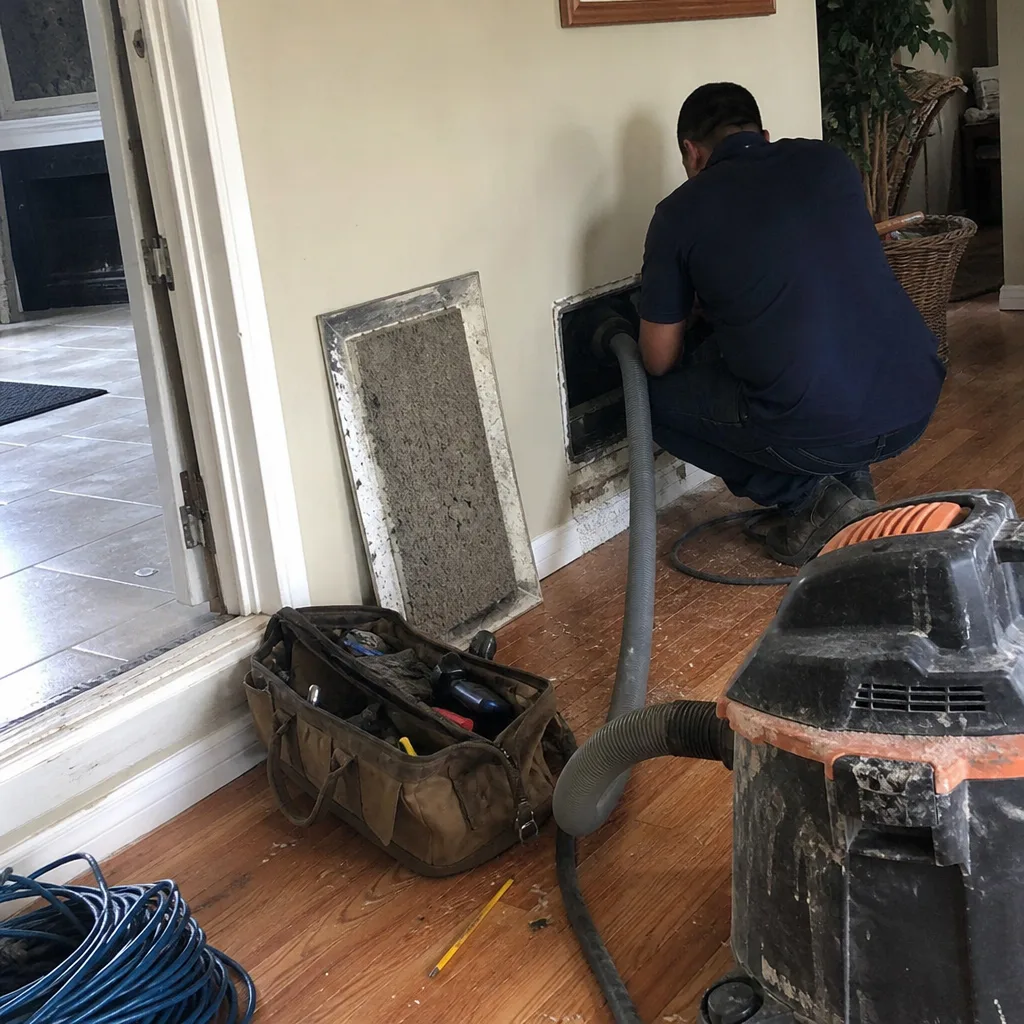 Before
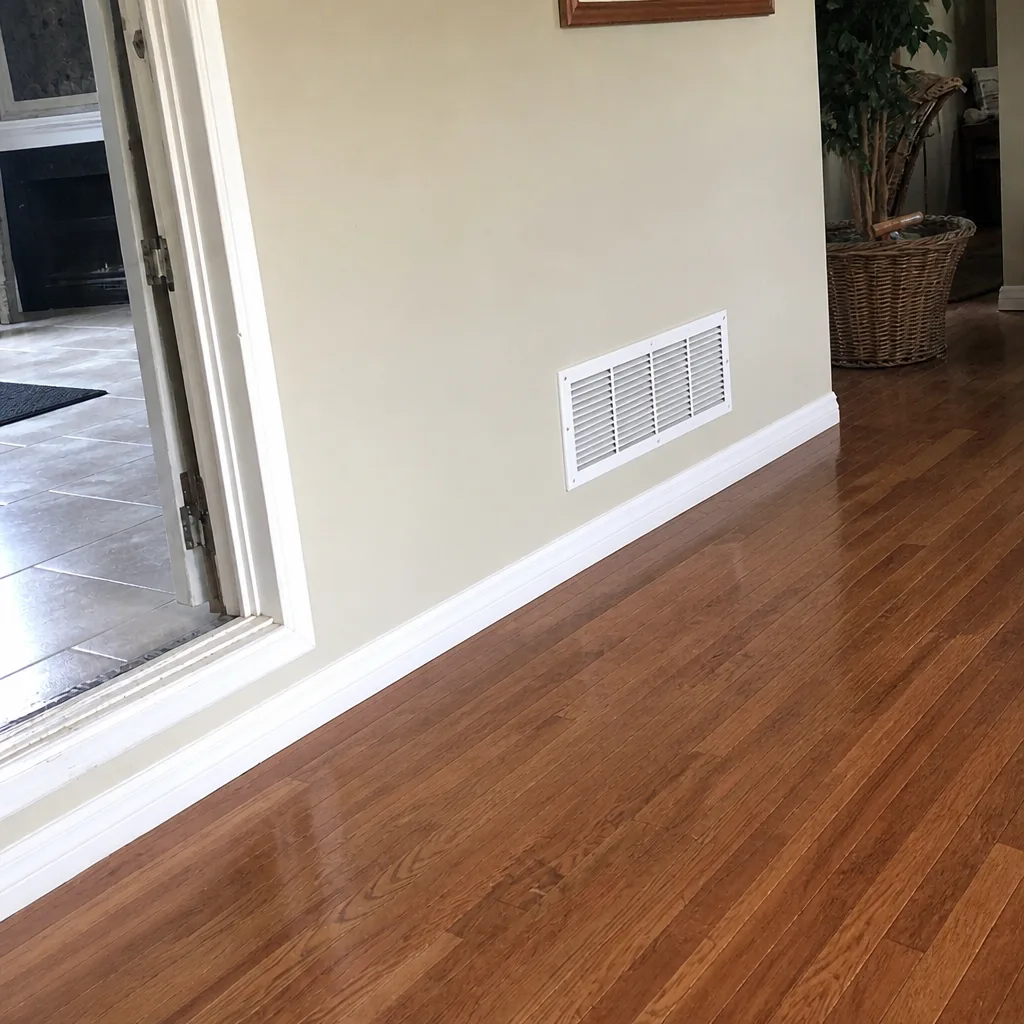 After
When to Call a Professional
Call a professional when you’re seeing signals that point to the duct system itself rather than the filter: a musty smell that returns after a filter change, dust settling faster than it should, uneven airflow between rooms, or a jump in energy bills with no other explanation. Call after any significant wildfire smoke event if your home sits near the hills and canyons where exposure is heaviest. Call if your home has had additions or remodels that extended duct runs, since every new connection is a potential leak. And call for the dryer vent regardless, because lint buildup is a fire hazard worth addressing before it becomes one. Dana Point Air Duct Cleaning Pros offers free estimates in Dana Point. Call (855) 629-3179. We answer 24/7. Fast dispatch from 7am to 7pm, Sunday through Friday. The local pro is licensed and insured as their state requires, and the price is set per job by the written estimate.
Frequently Asked Questions
Most Dana Point homes need a full-system cleaning every few years, plus targeted attention after a wildfire smoke event or a duct seal failure. The right interval depends on your home’s age, duct material, and how hard the system runs. Homes with older or extended duct systems and properties near the hills should lean toward the shorter end. Call (855) 629-3179 for an exact quote. Estimates are free.
Yes. May Gray and June Gloom push interior humidity up even when outdoor temperatures stay mild, and poorly sealed flex duct can trap that moisture. Damp duct interiors are where biological growth starts. If you smell something earthy when the system first comes on in late spring, that’s the signal to have the system inspected and the leaks sealed. Call (855) 629-3179 for an exact quote. Estimates are free.
Switch the system to recirculation mode, close the fresh-air intake if you have one, and upgrade the filter temporarily to a higher-MERV rating. Keep the fan running on low if your system allows it. Clean the ducts after the event clears, not during it. Call (855) 629-3179 for an exact quote. Estimates are free.
We price per system, not per vent, and the written estimate sets the final price before any work starts. Whole-system pricing depends on the size of the home, the number of systems, and whether repair or sealing is needed. We don’t quote teaser coupon prices, so the number you get is the number you pay. Call (855) 629-3179 for an exact quote. Estimates are free.
Cheap quotes often come from blow-and-go methods that stir debris into the air rather than remove it, or from a low teaser price that grows once the technician is on site. We use Rotobrush and Nikro rotary brush and vacuum extraction systems and give you one flat price per system agreed before work starts. Call (855) 629-3179 for an exact quote. Estimates are free.
We show you before-and-after photos of your own ducts, so you can see what changed. Combined with a flat price agreed up front and a full-service process that covers cleaning, repair, sealing, and sanitizing, you have a clear record of the work. Call (855) 629-3179 for an exact quote. Estimates are free.
The Bottom Line
Seasonal duct care in Dana Point doesn’t follow the four-season playbook most guides assume. Your real pressure points are marine layer moisture in spring, peak AC runtime and coastal particulates in summer, Diablo wind and wildfire smoke in fall, and quiet moisture accumulation through a mild winter. Build a calendar around your home’s age, duct material, and usage pattern rather than a national schedule. Watch filters mid-summer, protect the system during smoke events, and clean after the load has built up. Then seal and repair so the problem doesn’t return. That’s the difference between a cleaning and a fix. Cleaning is step one. We also seal, repair, and sanitize.
Ready to see what’s actually in your ducts? Call (855) 629-3179. We answer 24/7. Fast dispatch from 7am to 7pm, Sunday through Friday. Estimates are free, and the local pro is licensed and insured as their state requires.
Written by the team at Dana Point Air Duct Cleaning Pros.